The Philosophical Divide: Is Parkour an Art or a Sport?
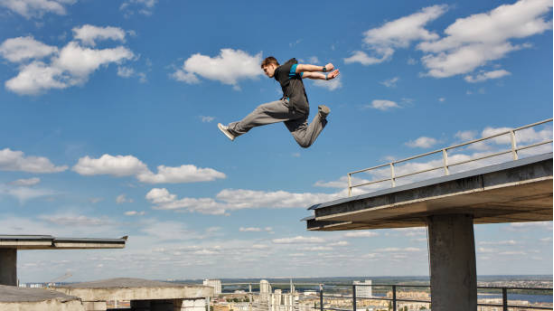
The debate surrounding the classification of parkour—often referred to as l’art du déplacement—is as dynamic as the movement itself. At its core, parkour is about efficient navigation through an environment, yet it defies simple categorization.
Defining the Artistic Expression
Proponents of the “Art” classification argue that parkour is a form of self-expression. It is a creative dialogue between the practitioner (traceur) and the urban architecture. Unlike competitive sports, there is no standardized scoring system for the joy of movement, making it a deeply personal pursuit.
The Sportive Evolution
Conversely, the institutionalization of parkour as a competitive sport has introduced standardized rules, speed runs, and judged freestyle competitions. This shift emphasizes physical conditioning, precision, and measurable performance metrics, moving it closer to traditional athletic disciplines.

Top Parkour Destinations Across the United States
For those looking to test their mettle, the United States offers a variety of environments ranging from purpose-built gyms to iconic urban landscapes that challenge even the most experienced traceurs.
Strategic Training Hubs
- Los Angeles, California: Known for its diverse architecture and temperate weather, LA offers endless opportunities for outdoor training, especially in coastal areas.
- New York City, New York: The concrete jungle provides a gritty, authentic experience that mirrors the origins of parkour in the French banlieues.
- Denver, Colorado: With a robust community and proximity to both urban and natural terrain, Denver is a premier destination for hybrid training.
| Destination | Environment Type | Best For |
|---|---|---|
| Los Angeles | Urban/Coastal | Flow and Style |
| New York | Hard Concrete | Technical Precision |
| Denver | Mixed | Endurance/Conditioning |

Parkour in Media: From Banlieue to Assassin’s Creed
Parkour has fundamentally altered the language of cinema. By prioritizing real-world physics over CGI reliance, films and games have elevated the “chase” sequence to an art form.
The Cinematic Impact
From the gritty, authentic movements seen in French cinema like Banlieue 13 to the high-budget spectacle of the Assassin’s Creed franchise, parkour has provided a visual shorthand for freedom and rebellion.
Why Media Matters for Practitioners
These depictions inspire new generations of traceurs. By visualizing the impossible, media has pushed practitioners to experiment with more complex lines and movements, bridging the gap between spectator entertainment and physical practice.

Advanced Training Strategies for Modern Traceurs
To advance in parkour, one must balance physical conditioning with mental fortitude. It is not enough to simply move; one must understand the mechanics of impact and the necessity of recovery.
Integrating Conditioning
Modern training involves a mix of plyometrics for explosive power and calisthenics for functional strength. Practitioners are encouraged to focus on landing mechanics to ensure longevity in the sport.
Frequently Asked Questions (FAQ)
- Q1: Is parkour dangerous for beginners?
- Like any physical activity, there are risks. However, when learned progressively under professional guidance, parkour is a highly controlled sport that emphasizes safety and risk management.
- Q2: What is the difference between Parkour and Freerunning?
- Parkour focuses on efficiency and the fastest route from A to B. Freerunning incorporates aesthetic elements like flips and spins, prioritizing style and creative expression.
- Q3: Do I need special equipment to start?
- Minimal equipment is required. A pair of high-quality, lightweight running shoes with good grip and comfortable athletic clothing are sufficient to begin training.
- Q4: How can I find a local parkour community?
- Look for local parkour gyms or “jams” in your city. Online forums and social media groups are excellent resources for connecting with experienced traceurs in your area.