Understanding the Fundamentals: Freediving vs. Scuba Diving
The allure of the ocean beckons many, offering a realm of unparalleled beauty and tranquility. For those drawn to its depths, two primary methods allow for intimate exploration: freediving and scuba diving. While both provide a gateway to the underwater world, they represent fundamentally different philosophies and approaches to aquatic immersion. Freediving, an ancient practice, relies solely on the diver’s ability to hold their breath, emphasizing a deep connection with the body’s natural capabilities and the marine environment. It’s a minimalist pursuit, stripping away much of the equipment associated with diving to foster a more primal interaction with the water. In stark contrast, scuba diving (Self-Contained Underwater Breathing Apparatus) utilizes sophisticated gear, most notably an air tank, to allow divers to breathe underwater for extended periods, facilitating prolonged exploration of deeper and more expansive underwater landscapes. Understanding the core tenets of each discipline is the first step in deciding which path aligns with your personal aspirations for underwater adventure.
Historically, humans have engaged in breath-hold diving for millennia, for purposes ranging from sustenance and pearl harvesting to cultural rituals. This long-standing tradition highlights the innate human capacity for aquatic adaptation. Scuba diving, on the other hand, is a relatively modern invention, evolving significantly in the 20th century with technological advancements that made underwater breathing apparatus safe and accessible to the public. Both methods offer unique rewards, from the meditative silence and physical challenge of freediving to the extended bottom time and comprehensive exploration afforded by scuba. The choice between them often comes down to individual preferences regarding equipment, physical exertion, and the specific type of underwater experience sought.

Key Differences in Equipment and Preparation
The most immediately apparent distinction between freediving and scuba diving lies in the equipment utilized. Each discipline necessitates a specific set of tools designed to optimize performance, safety, and comfort for its unique demands. These differences profoundly impact the training required and the overall experience of the dive.
Freediving Gear Essentials
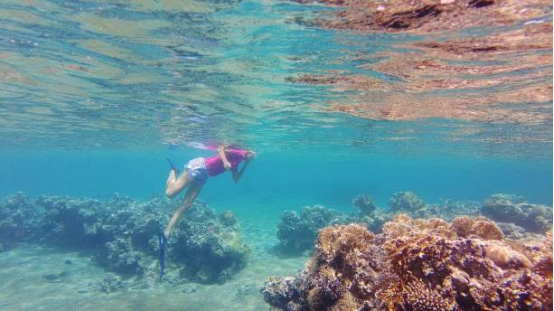
Freediving champions a minimalist approach, with gear designed for hydrodynamics, efficiency, and comfort during breath-hold dives. The focus is on reducing drag and conserving energy to maximize bottom time and depth.
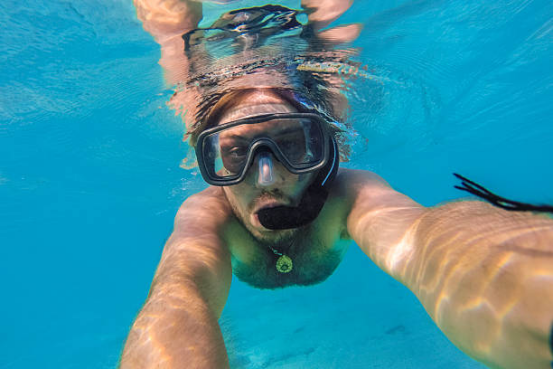
- Mask: Low-volume masks are preferred to minimize air required for equalization, offering a wider field of vision.
- Snorkel: A simple, often foldable, J-shaped snorkel is used for surface breathing and clearing before a dive.
- Long Fins: Freediving fins are significantly longer and stiffer than scuba fins, designed to provide maximum propulsion with minimal effort, crucial for efficient descent and ascent.
- Wetsuit: Thinner, open-cell wetsuits are common, offering excellent insulation and flexibility, often with a smooth outer surface to reduce drag.
- Weight Belt: Typically a rubber belt with weights, allowing for precise buoyancy control to achieve neutral buoyancy at a specific depth, aiding in efficient descent.
- Dive Computer/Watch: Specialized freediving computers track depth, dive time, surface intervals, and often incorporate safety alarms for ascent rates or maximum depth.
The simplicity of freediving gear underscores its philosophy: to become one with the water, relying primarily on the diver’s own physiology and skill.
Scuba Diving Equipment Breakdown
Scuba diving, by its nature, requires a more extensive and complex array of life-support equipment to enable prolonged underwater breathing and exploration. Each component plays a vital role in ensuring the diver’s safety and ability to function effectively at depth.
- Buoyancy Control Device (BCD): A vest-like jacket that can be inflated or deflated with air from the tank, allowing divers to control their buoyancy at any depth and float comfortably on the surface.
- Regulator: The most crucial piece of equipment, it reduces the high-pressure air from the tank to ambient pressure, making it breathable. It consists of a first stage (attaches to the tank valve) and a second stage (the mouthpiece).
- Air Tank (Cylinder): Contains compressed air (or other gas mixtures) that the diver breathes. Tanks come in various sizes and materials.
- Wetsuit/Drysuit: Provides thermal insulation. Wetsuits trap a layer of water against the skin, warmed by body heat. Drysuits keep the diver completely dry, typically used in colder waters.
- Fins: Shorter, broader fins designed for maneuverability and power over extended periods, optimized for propulsion with heavy gear.
- Mask: Standard scuba masks are typically higher volume than freediving masks, designed for comfort and durability.
- Dive Computer/SPG (Submersible Pressure Gauge): A dive computer tracks depth, bottom time, no-decompression limits, ascent rates, and integrates with an SPG to monitor tank pressure.
The comprehensive nature of scuba gear reflects the discipline’s objective: to extend human presence underwater beyond natural physiological limits.
Training and Certification Paths
Both disciplines demand rigorous training and certification to ensure safety and proficiency. These programs are designed to equip participants with the knowledge and skills necessary to navigate the underwater environment responsibly.
- Freediving Certification: Training focuses intensely on breath-hold techniques, including lung capacity exercises, diaphragm breathing, and relaxation methods. Students learn proper equalization, finning techniques, and crucial safety protocols like the buddy system, rescue procedures for shallow water blackout, and understanding the mammalian dive reflex. Courses typically progress from basic confined water skills to open water depth progression.
- Scuba Diving Certification: The entry-level certification, typically Open Water Diver (PADI, SSI, NAUI, etc.), involves academic learning (theory of diving physics, physiology, equipment), confined water sessions (mastering basic skills like mask clearing, regulator recovery, buoyancy control), and open water dives (applying skills in a natural environment). Advanced certifications build upon these foundations, covering specialties like deep diving, wreck diving, and navigation, each with its own set of safety procedures and equipment considerations.
Regardless of the chosen path, formal training from certified instructors is non-negotiable for safe and enjoyable underwater exploration.

Diving Mechanics, Depth, and Duration: A Technical Comparison
Beyond equipment, the fundamental mechanics of how divers interact with the underwater environment, their physiological limitations, and the practical aspects of depth and duration present significant differences between freediving and scuba diving. These technical aspects dictate the nature of the dive and the inherent risks associated with each activity.
Breath-Hold vs. Sustained Breathing
The core physiological difference lies in how oxygen is supplied to the body during the dive. Freediving is entirely dependent on the oxygen stored in the body before the dive, while scuba diving provides a continuous supply of breathing gas.
- Physiology of Breath-Hold: Freedivers train to optimize their body’s oxygen utilization and carbon dioxide tolerance. The mammalian dive reflex, a natural physiological response, helps conserve oxygen by slowing heart rate (bradycardia), constricting peripheral blood vessels, and shifting blood to vital organs. Risks include shallow water blackout, where a diver loses consciousness near the surface due to a sudden drop in partial pressure of oxygen after a prolonged breath-hold, and lung squeeze at extreme depths if proper equalization isn’t maintained.
- Physiology of Sustained Breathing: Scuba divers breathe compressed air (or enriched air nitrox) from a tank. The primary physiological concern is the absorption of inert gases (primarily nitrogen) into the body’s tissues under pressure. Too much nitrogen absorption, followed by a rapid ascent, can lead to decompression sickness (DCS), where nitrogen bubbles form in the blood and tissues, causing pain, paralysis, or even death. Dive computers and strict adherence to dive tables are critical for managing nitrogen loading and preventing DCS.
These distinct physiological mechanisms underscore the different safety protocols and training requirements for each sport.
Depth and Bottom Time Limitations
The ability to remain at depth and the maximum achievable depth vary dramatically between the two disciplines.
- Freediving Limitations: Depth and bottom time are governed by a diver’s lung capacity, physical fitness, training, and ability to equalize ear and sinus pressure. Recreational freedivers might comfortably reach depths of 10-30 meters (33-100 feet) for 1-3 minutes, while elite competitive freedivers can exceed 100 meters (330 feet) on a single breath, holding for several minutes. Safety protocols mandate sufficient surface intervals between dives to allow for recovery and oxygen replenishment.
- Scuba Diving Limitations: Recreational scuba diving typically has a maximum depth limit of 40 meters (130 feet) for certified divers, primarily due to the increased risk of nitrogen narcosis and DCS at greater pressures. Bottom time is limited by air consumption (which increases with depth) and the no-decompression limit (NDL), which is the maximum time a diver can spend at a given depth without needing mandatory decompression stops during ascent to off-gas nitrogen. Dive computers continuously calculate these limits, and exceeding them necessitates specific decompression procedures.
Scuba diving offers significantly longer bottom times and greater depth potential for extended exploration, while freediving focuses on brief, intense excursions to depth.
Safety Protocols and Emergency Management
Both freediving and scuba diving carry inherent risks, and robust safety protocols are paramount to mitigate them. While some principles overlap, specific emergency procedures are tailored to each activity.
- Freediving Safety: The buddy system is critical; a surface buddy must always monitor the diver and be ready to assist. Divers are trained in rescue techniques for shallow water blackout and loss of motor control (LMC). Strict adherence to gradual depth progression, adequate surface intervals, and avoiding hyperventilation are fundamental. Freedivers also learn to recognize signs of hypoxia in themselves and their buddies.
- Scuba Diving Safety: The buddy system is equally vital, with divers trained in emergency air sharing and assisting a distressed buddy. Divers meticulously plan their dives, monitoring air supply, depth, and bottom time with their computers. Ascent rates are strictly controlled to prevent DCS, and a mandatory 3-5 minute safety stop at 5 meters (15 feet) is standard practice to aid nitrogen off-gassing. Divers learn to manage equipment malfunctions, respond to out-of-air emergencies, and understand the procedures for managing DCS (e.g., emergency oxygen administration, seeking hyperbaric treatment).
Effective training and unwavering adherence to these safety guidelines are the cornerstones of responsible diving, regardless of the chosen method.

The Unique Experience: Philosophy, Connection, and Challenges
Beyond the technical differences, freediving and scuba diving offer profoundly distinct subjective experiences and foster unique connections with the marine world. These philosophical underpinnings often guide individuals toward one discipline over the other, reflecting their personal preferences for interaction, challenge, and immersion.
The Silent Immersion of Freediving
Freediving is often described as a meditative practice, a profound physical and mental discipline that encourages introspection and a deep connection with nature. Without the noise of bubbles or the weight of extensive gear, freedivers experience the underwater world in its purest form.
- Meditation and Mindfulness: The act of holding one’s breath requires intense focus, relaxation, and control over physiological responses. This often leads to a meditative state, where divers become acutely aware of their body, the water, and the present moment.
- Physical and Mental Discipline: Freediving demands exceptional physical fitness, lung capacity, and mental fortitude. Overcoming the urge to breathe, managing discomfort, and pushing personal limits are central to the experience, fostering a strong sense of accomplishment.
- Closer Interaction with Marine Life: The quiet, bubble-free nature of freediving often allows for more intimate encounters with marine animals. Fish and other creatures are less disturbed, sometimes even approaching the silent diver out of curiosity, leading to truly magical moments of connection.
The silent grace of freediving appeals to those seeking a minimalist, challenging, and deeply personal communion with the ocean.
The Exploratory Freedom of Scuba Diving
Scuba diving offers a different kind of freedom: the ability to explore vast underwater landscapes, stay for extended periods, and delve into deeper, often more dramatic, environments. It’s about extended discovery and accessing realms unreachable by a single breath.
- Extended Exploration: With a continuous air supply, scuba divers can spend significant time exploring wrecks, intricate coral reefs, underwater caves, and vibrant ecosystems at depths inaccessible to most freedivers. This allows for thorough observation and photography.
- Social Aspect: Scuba diving is often a group activity, fostering camaraderie among divers who share incredible experiences together. Group dives, liveaboards, and dive trips are common, making it a social adventure.
- Accessibility for Varied Fitness Levels: While a reasonable level of fitness is required, scuba diving generally demands less intense physiological conditioning compared to advanced freediving. This makes it accessible to a broader range of individuals who wish to experience the underwater world without the extreme physical demands of breath-hold diving.
Scuba diving attracts those who yearn for comprehensive exploration, shared adventures, and the technological marvel of extended underwater presence.
Environmental Impact and Interaction
Both disciplines share the critical responsibility of preserving the marine environment. While the direct impact varies, ethical conduct is universal.
- Freediving’s Minimal Footprint: With minimal equipment, freedivers typically have a very low physical impact on the environment. There are no bubbles to disturb marine life, and the focus on streamlined movement reduces the chance of accidental contact with delicate corals or organisms.
- Scuba Diving’s Responsibility: Scuba divers, with more gear and extended bottom time, must exercise impeccable buoyancy control to avoid damaging reefs or disturbing wildlife. Proper training emphasizes responsible interaction, avoiding touching marine life, and leaving no trace. Both communities are actively involved in conservation efforts, understanding that their privilege of exploring the ocean comes with a duty to protect it.
Ultimately, both freedivers and scuba divers are ambassadors for the ocean, and their actions profoundly influence the health and preservation of these fragile ecosystems.

Choosing Your Path: Ideal Scenarios and Dive Sites
Deciding between freediving and scuba diving ultimately depends on your personal preferences, physical condition, and the type of underwater experience you seek. Each discipline excels in different scenarios and offers unique access to various dive sites around the world.
When to Choose Freediving
Freediving is an excellent choice for individuals who:
- Desire a minimalist experience: If you prefer to shed heavy gear and connect with the water on a more primal, unencumbered level, freediving is ideal.
- Seek physical and mental challenge: The discipline required for breath-hold diving offers a profound journey of self-discovery and mastery over one’s body and mind.
- Are interested in specific marine encounters: For quiet observation of shy marine life or interactive encounters with certain species (e.g., dolphins or whales in controlled, ethical environments), the silence of freediving can be advantageous.
- Prefer shallower, accessible sites: Freediving is perfect for exploring vibrant shallow reefs, kelp forests close to shore, or unique freshwater cenotes. For instance, the clear, calm waters of California’s Channel Islands offer incredible kelp forest freediving, while some of Florida’s freshwater springs provide stunning visibility for breath-hold exploration.
- Value fitness and agility: A strong swimming ability and good cardiovascular health are significant assets in freediving.
If the thought of silent, unhindered movement through the water, powered by your own body, excites you, freediving might be your calling.
When to Choose Scuba Diving
Scuba diving is the preferred option for those who:
- Want extended exploration: If you dream of spending significant time exploring vast shipwrecks, intricate coral gardens, or deep caverns, scuba diving provides the necessary bottom time.
- Wish to go deeper: To access the full spectrum of marine life and geological formations found at greater depths, scuba is the only practical option for recreational divers.
- Seek less physical exertion during the dive: While training requires effort, the act of diving itself with scuba gear is less physically demanding than constant breath-holding and resurfacing.
- Are interested in diverse dive sites: Scuba diving opens up a world of possibilities, from the vibrant coral reefs of the Great Barrier Reef to the historic wrecks of the Caribbean. For those seeking deep wreck dives or extensive reef exploration, scuba diving opens up world-renowned locations like the Florida Keys (e.g., the USS Vandenberg wreck or Spiegel Grove) or the vibrant coral gardens of Hawaii. The unique geological formations and diverse ecosystems found at places like the Blue Hole in Belize or the Galapagos Islands are primarily explored via scuba, offering unparalleled experiences with large pelagic species. Even in the U.S., sites like the Flower Garden Banks National Marine Sanctuary in the Gulf of Mexico provide spectacular deep-water coral formations best accessed with scuba.
- Enjoy a social diving experience: Scuba diving often involves group trips and shared adventures, fostering a strong community among divers.
If the idea of prolonged, in-depth exploration of diverse underwater environments, often with companions, appeals to you, scuba diving is likely the better fit.
The Crossover Enthusiast: Enjoying Both Disciplines
It’s important to note that the choice isn’t mutually exclusive. Many underwater enthusiasts pursue both freediving and scuba diving, appreciating the distinct benefits and experiences each offers. Skills learned in one discipline can often enhance the other; for example, improved breath control and relaxation from freediving can significantly benefit a scuba diver’s air consumption and overall comfort. Conversely, a scuba diver’s familiarity with underwater environments and safety protocols provides a solid foundation for learning freediving. Ultimately, the best underwater adventure is the one that brings you the most joy, fulfillment, and connection with the ocean, whether it’s on a single breath or with the aid of a tank.
Frequently Asked Questions (FAQ)
- Q1: Is freediving more dangerous than scuba diving?
- Both activities carry inherent risks, but with proper training, adherence to safety protocols, and the use of a buddy system, both can be safely enjoyed. Freediving’s primary risks involve shallow water blackout and lung squeeze, while scuba diving’s main concerns are decompression sickness (DCS) and equipment failure. Neither is inherently “more dangerous” if safety guidelines are strictly followed; the risks are simply different.
- Q2: Can I learn both freediving and scuba diving?
- Absolutely! Many divers pursue certifications in both disciplines. The skills and knowledge gained from one can often complement the other. For instance, freediving training can significantly improve breath control, relaxation, and water comfort, which are beneficial for scuba diving. Conversely, a scuba diver’s understanding of underwater environments and safety can provide a good foundation for freediving.
- Q3: What’s the minimum age for freediving/scuba diving?
- The minimum age for scuba diving certification (e.g., PADI Junior Open Water) is typically 10 years old. For freediving, while some organizations offer youth programs, general certification usually starts around 12-16 years old, depending on the agency and the maturity/physical development of the individual. Parental consent is always required for minors.
- Q4: Which activity is better for observing marine life?
- Both offer fantastic opportunities for marine life observation, but in different ways. Freediving’s silent, bubble-free approach often allows for closer, less disruptive encounters with shy animals, especially in shallower waters. Scuba diving, with its extended bottom time and depth capabilities, allows for prolonged observation of a wider variety of species, including those found at greater depths, and enables thorough exploration of entire ecosystems like large coral reefs or wrecks.
- Q5: Do I need to be an excellent swimmer for both?
- While you don’t need to be an Olympic swimmer, a comfortable proficiency in swimming is a prerequisite for both. For scuba diving, you typically need to complete a swim test (e.g., 200-meter continuous swim and 10-minute float). Freediving demands a higher level of swimming fitness and comfort in the water, as it relies entirely on your physical capabilities and efficiency of movement without external breathing apparatus.