Scuba diving is more than just a recreational activity; it is an immersion into a silent, weightless world that requires a unique blend of physical skill, technical knowledge, and psychological resilience. Whether you are a novice looking to take your first breath underwater or an experienced diver seeking to refine your safety protocols, understanding the intricacies of gear, physiology, and environment is paramount. This guide serves as a definitive resource, consolidating expert knowledge on everything from choosing the right exposure suit to managing the subtle physiological changes that occur under pressure.
Getting Started: A Comprehensive Beginner’s Roadmap
Entering the world of scuba diving begins with a commitment to education. Unlike many other water sports, diving requires formal certification to ensure that participants can safely manage the risks associated with breathing compressed air at depth. The journey typically begins with an entry-level course, such as the Open Water Diver certification, provided by internationally recognized agencies like PADI (Professional Association of Diving Instructors) or SSI (Scuba Schools International).
The Certification Process
The certification process is generally divided into three distinct phases: knowledge development, confined water dives, and open water check-out dives. Knowledge development covers the physics of diving, how pressure affects the body, and how to use dive tables or computers. Confined water sessions, usually held in a swimming pool, allow students to practice essential skills like regulator recovery, mask clearing, and buoyancy control in a controlled environment. Finally, the open water dives prove that the student can apply these skills in a natural body of water.
- Classroom Learning: Understanding the relationship between depth, pressure, and volume (Boyle’s Law).
- Confined Water: Mastering the “buddy system” and emergency out-of-air drills.
- Open Water: Demonstrating navigation and controlled ascents in real-world conditions.
Fundamental Underwater Communication
Because verbal communication is impossible underwater, divers use a standardized set of hand signals. Mastery of these signals is critical for safety and coordination. Key signals include the “OK” sign (formed by making a circle with the thumb and index finger), “Up” (thumbs up), “Down” (thumbs down), and “Low on Air” (a closed fist moved toward the chest). Clear communication ensures that the dive team remains synchronized and can address issues before they escalate into emergencies.

Essential Diving Gear: From Masks to Thermal Protection
Your equipment is your life support system. Selecting the right gear is not just about comfort; it is about ensuring a functional seal against the elements and maintaining thermal equilibrium. Two of the most personal pieces of equipment any diver will own are their mask and their exposure suit.
Choosing and Maintaining Your Scuba Mask
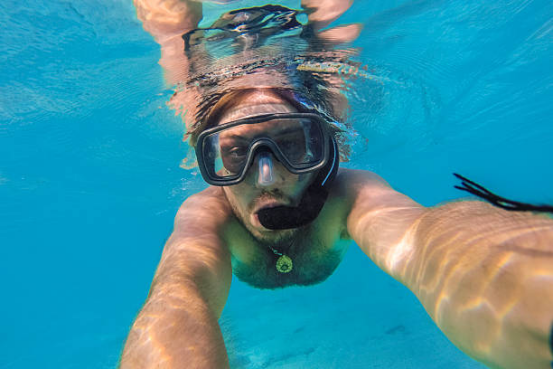
A mask is your window to the underwater world. A poorly fitting mask can lead to constant leaking, which causes distraction and discomfort. When choosing a mask, the “fit test” is essential: place the mask on your face without the strap, inhale slightly through your nose, and see if the mask stays in place. If it falls, air is leaking through the skirt. High-quality masks feature tempered glass for safety and a high-grade silicone skirt for a soft, durable seal.
New masks often have a thin film of silicone on the glass from the manufacturing process, which causes persistent fogging. A common industry “hack” is to use a non-gel toothpaste to gently scrub the inside of the lens before the first use. For ongoing maintenance, always rinse your mask in fresh water after every dive to prevent salt crystals from damaging the silicone seal.
Wet Suits vs. Dry Suits: Making the Right Choice
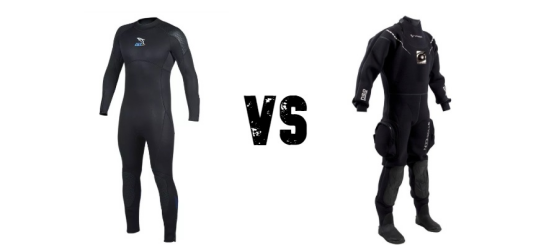
Thermal protection is vital because water pulls heat away from the body 25 times faster than air. The choice between a wetsuit and a drysuit depends largely on water temperature and dive duration.
| Feature | Wetsuit | Drysuit |
|---|---|---|
| Mechanism | Traps a thin layer of water warmed by the body. | Keeps the diver completely dry using air insulation. |
| Material | Neoprene of varying thickness (3mm to 7mm). | Trilaminate, crushed neoprene, or vulcanized rubber. |
| Best For | Warm to temperate waters (above 60°F/15°C). | Cold water, ice diving, or very long technical dives. |
| Buoyancy | Easier to manage; changes with depth. | More complex; requires separate air inflation. |

Understanding Diving Physiology: Ears and Pressure
As a diver descends, the increasing ambient pressure exerts force on the air-filled spaces in the body, most notably the middle ear. Failure to equalize this pressure can lead to barotrauma, ranging from mild discomfort to a ruptured eardrum.
Preventing Earaches and Mastering Equalization
Equalization is the process of forcing air into the Eustachian tubes to balance the pressure between the outer and middle ear. The most common technique is the Valsalva Maneuver: pinching the nose and blowing gently. However, this should never be done forcefully, as it can cause damage. Other techniques include the Frenzel Maneuver (using the back of the tongue to push air) or simply swallowing and wiggling the jaw.
Divers should begin equalizing the moment they leave the surface and continue every few feet of descent. If you feel pain, you have waited too long. You must ascend slightly until the pain subsides, equalize, and then continue the descent slowly. Post-dive ear care is also important; using a solution of diluted white vinegar and rubbing alcohol can help prevent “swimmer’s ear” by restoring the ear canal’s natural pH and drying out excess moisture.

Safety First: Preventing Decompression Sickness
Decompression Sickness (DCS), often called “the bends,” occurs when nitrogen absorbed under pressure forms bubbles in the bloodstream or tissues during a rapid ascent. Managing this risk is the cornerstone of safe diving practice.
Five Critical Tips to Avoid DCS
- Observe Ascent Rates: Never exceed an ascent rate of 30 feet (9 meters) per minute. Most modern dive computers provide an alarm if you ascend too quickly.
- Perform Safety Stops: A mandatory 3-minute stop at 15 feet (5 meters) allows the body to off-gas accumulated nitrogen safely before reaching the surface.
- Stay Hydrated: Dehydration reduces blood volume and thickens the blood, making it harder for the body to eliminate nitrogen efficiently.
- Dive Within Your Limits: Always follow the “no-decompression limits” (NDL) provided by your dive computer. These limits are calculated based on your depth and time underwater.
- Avoid Strenuous Exercise: Heavy physical exertion immediately after a dive can stimulate bubble formation. Rest and relaxation are key post-dive activities.

Psychological Mastery: Managing Anxiety and Panic
The underwater environment can be disorienting. High levels of CO2, restricted breathing, or equipment malfunctions can trigger a “panic cycle.” Learning to manage the mind is as important as managing the gear.
The Stop-Breathe-Think-Act Protocol
When a diver encounters a problem, the natural instinct is to bolt for the surface—the most dangerous reaction possible. Instead, divers are trained in the Stop-Breathe-Think-Act protocol. Stop: Cease all movement to lower the heart rate. Breathe: Take deep, slow breaths to reduce CO2 levels and calm the nervous system. Think: Assess the situation logically. Act: Implement the solution (e.g., clearing a mask or switching to a buddy’s octopus).
Anxiety can also be mitigated through “mental rehearsal” before the dive. Visualizing the dive plan and potential emergency scenarios helps build “muscle memory” for the brain, ensuring that responses remain calm and calculated rather than reactive.

Post-Dive Protocols: Recovery and Equipment Care
The dive does not end when you exit the water. The hours following a dive are critical for physiological recovery and the longevity of your expensive equipment.
The Golden Rules of Surface Intervals
A surface interval is the time spent on land between two dives. This time allows the residual nitrogen in your tissues to dissipate. One of the most important post-dive rules is waiting before flying. Standard guidelines suggest waiting at least 12 hours after a single dive and 18-24 hours after multiple days of diving or decompression dives. The lower cabin pressure in an airplane can cause residual nitrogen to expand into bubbles, triggering DCS even if you felt fine on the ground.
Additionally, avoid excessive alcohol consumption post-dive. Alcohol is a vasodilator and a diuretic, both of which can interfere with the body’s ability to off-gas nitrogen and can mask the symptoms of DCS, leading to delayed treatment.
Long-term Gear Preservation
Saltwater is incredibly corrosive. All gear—regulators, BCDs, suits, and computers—must be thoroughly soaked in fresh water. For BCDs, it is important to rinse the inside of the bladder by pouring fresh water through the inflator hose, shaking it, and draining it to remove salt crystals that can puncture the material from the inside.

Advanced Strategies for Long-Term Diving Success
To transition from a recreational diver to a seasoned veteran, one must focus on buoyancy mastery and environmental stewardship. Perfect buoyancy—achieved through breath control and precise weighting—not only saves air but also protects fragile coral reefs from accidental contact.
Divers should also consider specialized training, such as the Enriched Air Nitrox course. Nitrox uses a gas mix with a higher percentage of oxygen, which reduces nitrogen absorption and allows for longer bottom times. However, it requires strict adherence to depth limits to avoid oxygen toxicity. Continuous learning and respecting the ocean’s power are the hallmarks of a truly elite diver.
Frequently Asked Questions (FAQ)
- Q1: Why do my ears hurt even when I try to equalize?
- Pain usually indicates that you are equalizing too late or too forcefully. It could also be due to congestion from a cold or allergies, which blocks the Eustachian tubes (known as a “reverse block”). Never dive with a cold, and always equalize early and often.
- Q2: How long should I wait to exercise after scuba diving?
- It is recommended to wait at least 4 to 6 hours before engaging in vigorous exercise. Intense physical activity increases blood flow and can potentially cause “silent bubbles” of nitrogen to coalesce into larger, symptomatic bubbles, increasing the risk of DCS.
- Q3: Can I wear contact lenses while diving?
- Yes, many divers wear soft contact lenses. However, you should inform your buddy and instructor. If your mask floods, keep your eyes closed to prevent the lenses from washing away. Alternatively, you can invest in a prescription mask.
- Q4: What is the difference between a “safety stop” and a “decompression stop”?
- A safety stop is a voluntary (but highly recommended) stop on every dive to add a margin of safety. A decompression stop is a mandatory stop required by your dive computer because you have exceeded the “no-stop” time limits; skipping a deco stop carries a high risk of DCS.
- Q5: How do I know if I need a 3mm, 5mm, or 7mm wetsuit?
- This depends on the water temperature. Generally, 3mm is for tropical water (77-85°F), 5mm is for temperate water (70-77°F), and 7mm is for cold water (60-70°F). If you get cold easily, always opt for the thicker suit or add a hooded vest.