Water is a unique and powerful medium for physical fitness, offering a spectrum of activities that cater to every age, ability, and ambition. From the gentle, therapeutic movements of a casual swim to the explosive power of a competitive dive, aquatic sports provide a comprehensive path to health and vitality. This guide explores the multifaceted world of aquatic fitness, covering the fundamentals of swimming, the artistic discipline of diving, and the extreme challenge of winter swimming. Whether you are a beginner looking to get your feet wet or an experienced athlete seeking a new frontier, the water holds endless opportunities for growth, strength, and well-being.
The Foundations of Swimming: A Full-Body Workout for All Ages
Swimming is widely regarded as one of the most complete forms of exercise. The buoyancy of water supports the body, reducing impact on joints and making it an ideal activity for people of all ages and physical conditions, from toddlers to seniors. It engages nearly every major muscle group, providing a simultaneous cardiovascular and strength-training workout.
Why Swimming is a Superior Low-Impact Exercise
Unlike land-based exercises like running, swimming is exceptionally kind to the skeletal system. The water supports up to 90% of your body weight, which means your hips, knees, and spine are protected from the stress of impact. This makes it an excellent choice for individuals with arthritis, injuries, or other mobility issues. Furthermore, the resistance of water is about twelve times greater than that of air, meaning every movement works to build muscle strength and endurance throughout the entire body.
Mastering the Core Swimming Strokes
Developing proficiency in the fundamental swimming styles is the first step to unlocking the full fitness potential of the pool. Each stroke offers a unique set of challenges and targets different muscle groups.
- Freestyle (Front Crawl): The fastest and most efficient stroke. It primarily works the shoulders, back, and core, utilizing a flutter kick and alternating arm movements. Proper breathing technique, which involves turning the head to the side, is crucial for maintaining rhythm and endurance.
- Breaststroke: A powerful and technical stroke characterized by a “frog kick” and a simultaneous, sweeping arm motion. It provides an excellent workout for the chest, inner thighs, and hamstrings. Timing the breath with the arm pull is key to mastering this style.
- Backstroke: The only competitive stroke swum on the back, which makes breathing easier. It uses a flutter kick similar to freestyle but with an alternating arm motion that builds strength in the shoulders, lats, and core. It’s essential to maintain a straight body line and use a fixed point on the ceiling for navigation.
- Butterfly: The most physically demanding stroke, requiring immense strength and coordination. It involves a simultaneous overhead arm pull combined with a powerful dolphin kick. The butterfly is a fantastic workout for the core, chest, and back, but it requires significant practice to perfect.
Essential Swimming Skills and Techniques for Beginners
Before mastering strokes, a beginner must become comfortable in the water. Key foundational skills include breath control (blowing bubbles), floating on both the front and back, and basic propulsion using kicking. Proper body position, known as streamlining, is vital for reducing drag and moving efficiently through the water. Keeping the body as flat and horizontal as possible is the goal for all strokes.

The Art and Precision of Diving
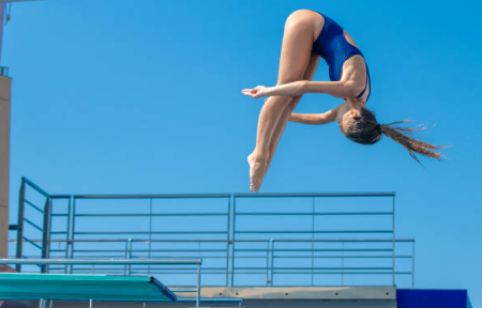
Diving elevates swimming from a form of exercise to an art form, combining athleticism, grace, and immense courage. It is a sport that demands explosive power, pinpoint precision, and unwavering mental focus. Whether performed from a flexible springboard or a rigid platform, a dive is a breathtaking display of human potential.
Understanding the Disciplines: Springboard vs. Platform Diving
Competitive diving is primarily divided into two categories based on the take-off point. While they share fundamental techniques, they present distinct challenges.
- Springboard Diving: Performed on a flexible board set at either 1 meter or 3 meters above the water. The diver uses the bounce of the board to gain height, which allows for more complex rotations and twists. It requires a masterful sense of timing to properly “ride” the board’s recoil.
- Platform Diving: Executed from a fixed, non-flexible platform set at heights of 5, 7.5, or 10 meters. This discipline is less about generating height and more about pure power and aerial control. The increased airtime from the higher platforms allows for some of the most complex dives in the sport.
Deconstructing the Perfect Dive: The Four Critical Phases
Every competitive dive, regardless of its complexity, is judged on the seamless execution of four distinct phases. Perfection in each phase is necessary to achieve a high score.
- The Approach: The initial steps (or standing position for some dives) taken to prepare for takeoff. It must be smooth and controlled, setting the rhythm for the entire dive.
- The Takeoff: The moment the diver leaves the board or platform. This includes the hurdle and press on a springboard or the powerful push from a platform. It is the single most important phase, as it determines the height and rotational potential of the dive.
- The Flight: The acrobatic maneuvers performed in the air. This is where the diver executes twists and somersaults in one of three positions: tuck, pike, or straight. The movements must be precise and aesthetically pleasing.
- The Entry: The final phase where the diver enters the water. The ideal entry is vertical with the body straight and toes pointed, creating minimal splash. This is often called a “rip” entry because of the sound it makes.
The Physical and Mental Demands of Competitive Diving
Diving requires a unique combination of physical attributes, including the explosive leg power of a sprinter, the core strength of a gymnast, and the flexibility of a dancer. Mentally, divers must possess incredible courage to perform complex maneuvers high above the water and the focus to block out distractions and execute each phase with precision.

Embracing the Chill: The Challenge of Winter Swimming
For some, the appeal of water is not in a warm, chlorinated pool but in the icy embrace of a lake or ocean in winter. Winter swimming, or ice swimming, is an extreme sport that tests the limits of human endurance and offers a unique set of profound health benefits. It is a practice that requires careful preparation, respect for the cold, and a strong community spirit.
What is Winter Swimming and Why Do People Do It?
Winter swimming is the activity of swimming in outdoor bodies of water during the coldest months of the year, often in temperatures at or near freezing. Participants are typically only allowed to wear a standard swimsuit, cap, and goggles. People are drawn to this challenge for various reasons, including the exhilarating rush of endorphins, the proven health benefits, and the powerful sense of accomplishment and camaraderie with fellow swimmers.
The Science of Cold Water Immersion: Risks and Rewards
Plunging into icy water triggers a dramatic physiological response. The initial cold shock response causes a sharp gasp for air, an increased heart rate, and a spike in blood pressure. As the body acclimatizes, blood vessels constrict to preserve core temperature. The rewards can be significant, with studies suggesting benefits such as:
- Improved Immune Function: Regular exposure to cold water may lead to an increase in white blood cells.
- Enhanced Circulation: The body’s process of constricting and dilating blood vessels can improve overall circulatory health.
- Mental Health Boost: The release of endorphins and adrenaline creates a feeling of euphoria and has been shown to reduce symptoms of depression and anxiety.
However, the risks are severe and must be managed. Hypothermia (a dangerous drop in body temperature) and after-drop (when core temperature continues to fall after exiting the water) are serious dangers. Therefore, strict safety protocols are non-negotiable.
A Step-by-Step Guide to Safe Winter Swimming Practices
Approaching winter swimming requires a methodical and cautious process. Never swim alone and always prioritize safety over distance or time in the water.
- Acclimatize Gradually: Start in the autumn and continue swimming as the water temperature drops. This allows your body to adapt slowly to the cold.
- Prepare Before Entry: Have warm, dry clothes, a hat, gloves, a warm drink, and a sugary snack ready for immediately after your swim. Do not enter the water if you are already cold.
- Enter Slowly: Never dive or jump in. Enter the water slowly to control your breathing and manage the cold shock response.
- Keep it Short: Your first swims may only be for a minute or two. Listen to your body and get out before you start to shiver uncontrollably.
- Rewarm Properly: After exiting, remove wet swimwear immediately and dress in warm layers, starting with your torso. Sip a warm drink and move around gently to help your body rewarm naturally. Avoid hot showers, which can be dangerous during after-drop.

Comprehensive Health Benefits of Aquatic Sports
Across all disciplines, from swimming to diving, engaging in aquatic sports offers a wealth of benefits that impact both physical and mental well-being. The unique properties of water create a holistic fitness environment that is difficult to replicate on land.
Cardiovascular and Musculoskeletal Advantages
Aquatic activities are renowned for their cardiovascular benefits. Swimming is an aerobic exercise that strengthens the heart muscle, improves its ability to pump blood, and can lower blood pressure and improve cholesterol levels. Simultaneously, the constant resistance of the water builds long, lean muscle mass, enhances muscular endurance, and improves flexibility and range of motion without stressing the joints.
Mental Health Boost: Stress Reduction and Endorphin Release
The rhythmic, repetitive nature of swimming can be meditative, helping to quiet the mind and reduce stress and anxiety. The focus required for diving or the exhilarating shock of cold-water swimming triggers the release of endorphins, the body’s natural mood elevators. This can lead to improved mood, better sleep quality, and an overall greater sense of well-being. The feeling of weightlessness in the water can also be deeply relaxing and therapeutic.
Building Discipline, Confidence, and Community
Mastering a new swimming stroke, executing a complex dive, or braving a cold-water swim builds incredible self-confidence and discipline. Setting goals and working consistently to achieve them in the water translates to a stronger mindset in all areas of life. Furthermore, these activities often foster a strong sense of community, whether through a masters swim team, a diving club, or a group of winter swimmers who support and look out for one another.
Frequently Asked Questions (FAQ)
- What is the best swimming stroke for a beginner to learn first?
- Most instructors recommend starting with either the freestyle (front crawl) or the backstroke. Both use a similar flutter kick that is relatively intuitive. Backstroke can be easier for some beginners as it allows them to breathe freely without needing to learn a coordinated head-turning motion.
- Is diving a safe sport for children to learn?
- Yes, diving can be very safe when taught by qualified coaches in a structured environment. Programs always begin with fundamental skills from the side of the pool, progressing slowly to low springboards. Safety is the top priority, and children learn proper entry techniques and body awareness long before attempting complex dives.
- How do I start winter swimming if I live in a warm climate?
- While you can’t replicate natural cold-water acclimatization, you can prepare your body by taking progressively colder showers. Start with a normal shower and end with 30-60 seconds of the coldest water possible. This helps your body and mind adapt to the initial shock of cold, which is a key part of the experience.
- What are the most common mistakes in freestyle swimming technique?
- The most common mistakes include lifting the head too high to breathe (which causes the hips and legs to drop), crossing the arms over the centerline of the body during the pull (which creates a zig-zag motion), and having an inefficient, weak kick that doesn’t provide enough propulsion. Proper coaching can help identify and correct these issues.
- How does swimming compare to running for weight loss?
- Both are excellent for weight loss. Running may burn more calories per hour for some individuals due to being a weight-bearing exercise. However, swimming builds more overall muscle mass, which boosts your metabolism and helps burn more calories at rest. Because it is low-impact, swimming can often be performed for longer durations and more frequently than running without risk of injury, making it a highly effective and sustainable choice for long-term weight management.