Camping offers a unique opportunity to disconnect from the hustle of daily life and reconnect with the natural world. Beyond setting up a tent and enjoying a campfire, a deeper level of engagement awaits those willing to observe, learn, and interact with their surroundings. This guide explores three of the most rewarding nature-focused activities you can pursue on your camping trips: foraging for wild plants, birdwatching, and wildlife photography. Each activity not only enriches your outdoor experience but also fosters a greater appreciation for the intricate ecosystems you visit. We will provide detailed, step-by-step guidance, essential safety protocols, and expert tips to help you master these skills ethically and effectively.
The Art of Foraging: A Guide to Safely Picking Wild Plants
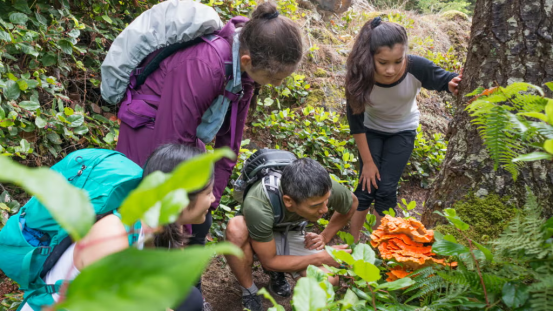
Foraging, the practice of gathering wild food resources, is an ancient skill that offers a profound connection to the landscape. It turns a simple walk in the woods into a treasure hunt. However, this rewarding activity comes with significant responsibilities and requires a strict adherence to safety protocols to avoid illness or injury. The golden rule of foraging is absolute certainty in identification.
Essential Safety Rules for Foraging
Before you consume any wild plant, you must be 100% positive about its identity. Many poisonous plants have “look-alikes” that are safe to eat, and a mistake can have severe consequences. Never rely on a single source for identification.
- Cross-Reference Your Sources: Use at least two or three reliable resources, such as regional field guides, reputable websites, and foraging apps, to confirm a plant’s identity.
- When in Doubt, Throw It Out: This is the most critical principle in foraging. If you have even a sliver of uncertainty, do not eat the plant. It is never worth the risk.
- Know the Local Environment: Be aware of your surroundings. Avoid foraging in areas that may be contaminated with pesticides, herbicides, industrial pollutants, or heavy metals, such as along busy roadsides or near industrial sites.
- Understand Plant Parts: Just because one part of a plant is edible does not mean all parts are. For example, the berries of an elderberry plant are edible when cooked, but the leaves, stems, and raw berries are toxic.
- Start with a Small Sample: Even after a positive identification, when trying a new wild edible for the first time, consume only a very small amount and wait 24 hours to see how your body reacts. This can help mitigate a severe allergic reaction.
Tools and Resources for Plant Identification
Equipping yourself with the right tools is crucial for successful and safe foraging. A combination of physical and digital resources will provide the most comprehensive identification toolkit.
- Regional Field Guides: Purchase a high-quality, peer-reviewed field guide specific to your geographical region. These books contain detailed descriptions, photographs, and information on habitat and look-alike species.
- Magnifying Glass: A small magnifying glass or jeweler’s loupe can help you examine the fine details of a plant, such as tiny hairs on a stem or the specific pattern of leaf veins, which are often key identification markers.
- Gardening Gloves and Shears: Protect your hands with sturdy gloves. A pair of small shears or a sharp knife allows for clean harvesting that minimizes damage to the plant and the surrounding environment.
- Collection Bag: Use a mesh or cloth bag for collecting your finds. This allows spores to disperse as you walk, helping to propagate the species you are harvesting.
Ethical Harvesting: The Leave-No-Trace Principle
Responsible foraging ensures that plant populations remain healthy and available for wildlife and future generations. Always practice ethical harvesting techniques.
- Take Only What You Need: Harvest a small amount for personal use and never deplete a single patch. A good rule of thumb is to take no more than 10% of what is available.
- Harvest with Care: Be gentle and use proper tools to avoid damaging the plant. Never pull a plant up by its roots unless that is the specific part you are harvesting and it is an abundant, non-native species.
- Respect Regulations: Always check local, state, and national park regulations before foraging. Some areas prohibit the removal of any plant life. Foraging on private property requires explicit permission from the landowner.

A Beginner’s Guide to Birdwatching While Camping
Birdwatching, or “birding,” is an incredibly accessible and meditative activity that enhances your awareness of the natural world. Camping trips often take you to prime habitats where diverse bird species thrive. With a little knowledge and patience, you can turn your campsite into a front-row seat to the avian world.
Essential Gear for Aspiring Ornithologists
While you can start birdwatching with nothing more than your own eyes and ears, a few key pieces of equipment will dramatically improve your experience and ability to identify different species.
- Binoculars: This is the single most important tool for a birdwatcher. A good pair of binoculars brings distant birds into clear view, allowing you to see crucial field marks. For beginners, a magnification of 8×42 (8x magnification, 42mm objective lens diameter) is an excellent all-around choice, offering a stable image and a wide field of view.
- Field Guide: Similar to foraging, a reliable field guide is essential. Choose one that is specific to your region. Popular options include the Sibley, Peterson, and National Geographic guides. Many birders also use smartphone apps like the Merlin Bird ID or Audubon Bird Guide, which offer photo and sound identification assistance.
- Notebook and Pen: Recording your sightings is a key part of birdwatching. Note the date, location, weather, and a description of the bird (size, color, markings, song, behavior). This practice helps you learn more quickly and creates a valuable personal record of your observations.
Prime Time: When and Where to Spot Birds
Timing and location are everything in birdwatching. To maximize your chances of seeing a variety of species, you need to know when and where to look.
- Time of Day: The most active time for most birds is during the early morning hours, shortly after sunrise. They are actively foraging for food and singing to establish territories. The late afternoon and dusk can also be productive periods.
- Habitat Edges: Look for areas where two different habitats meet, such as the edge of a forest and a meadow, or where a river meets a field. These “ecotones” attract a wide variety of species that use resources from both environments.
- Water Sources: Ponds, lakes, streams, and even large puddles are magnets for birds. They come to drink, bathe, and find food like insects and amphibians. Sit quietly near a water source and you will be rewarded.
The Birdwatcher’s Code of Ethics
The welfare of the birds must always come first. The American Birding Association promotes a code of ethics that all birdwatchers should follow to minimize their impact.
- Promote the welfare of birds and their environment. Avoid stressing birds by getting too close, making loud noises, or flushing them from their resting spots.
- Avoid disturbing nests. Never get too close to a nest, as it can cause parent birds to abandon their eggs or young. Be extremely cautious and observant during nesting season.
- Limit the use of playback. While playing a bird’s song can sometimes lure it into view, overuse can stress the bird and disrupt its natural breeding and feeding behaviors. Use it sparingly, if at all.

Capturing the Wild: Essential Wildlife Photography Tips
Wildlife photography is a challenging yet immensely rewarding pursuit that combines technical skill with a deep respect for nature. A successful wildlife photo not only captures the beauty of an animal but also tells a story about its life and environment. Your campsite can serve as an excellent basecamp for photographic expeditions.
Choosing the Right Camera and Lenses
While any camera can take a picture, certain gear is better suited for the unique demands of wildlife photography. The key is getting close to your subject without disturbing it.
- Camera Body: A DSLR or mirrorless camera that offers manual controls is ideal. Features like a fast burst mode (high frames per second) and a quick autofocus system are extremely beneficial for capturing fast-moving animals.
- Telephoto Lenses: A long lens is the most critical piece of equipment. A lens with a focal length of at least 300mm is a good starting point. Professional wildlife photographers often use lenses that are 400mm, 500mm, or even longer to fill the frame with their subject from a safe distance.
- Tripod or Monopod: Long lenses are heavy and difficult to hold steady. A sturdy tripod or a more mobile monopod is essential for achieving sharp, blur-free images, especially in low-light conditions.
Mastering the Exposure Triangle for Wildlife Shots
Understanding the relationship between aperture, shutter speed, and ISO is fundamental to taking control of your camera and capturing high-quality images.
- Aperture: This controls the depth of field. A wide aperture (e.g., f/2.8, f/4) creates a shallow depth of field, blurring the background and making your subject pop. A narrow aperture (e.g., f/8, f/11) keeps more of the scene in focus, which is useful for capturing an animal within its environment.
- Shutter Speed: This is critical for freezing motion. For birds in flight or running animals, you’ll need a fast shutter speed, often 1/1000th of a second or faster. For stationary subjects, you can use a slower speed.
- ISO: This setting controls the camera’s sensitivity to light. You’ll need to increase the ISO in low-light situations, such as early morning or in a dense forest. However, be aware that very high ISO settings can introduce digital noise or “grain” into your photos.
Composition and Patience: The Keys to a Great Photo
Technical settings are only half the battle. A compelling photograph requires thoughtful composition and a great deal of patience.
- Get on Their Level: Shooting from the animal’s eye level creates a much more intimate and engaging portrait. This often means getting low to the ground.
- Rule of Thirds: Imagine a tic-tac-toe grid over your image. Placing your subject off-center, along one of the lines or at an intersection, often creates a more balanced and visually interesting photo.
- Patience is Paramount: Wild animals operate on their own schedule. You may spend hours waiting for the right moment. The key is to learn animal behavior, anticipate their actions, and be ready when the moment arrives.

Advanced Nature Immersion: Combining Skills and Tools
As you become more comfortable with these individual activities, you can begin to integrate them for a truly holistic nature experience. This synergy not only makes your time outdoors more efficient but also deepens your understanding of the interconnectedness of the ecosystem around you. Combining skills with modern technology can further elevate your abilities.
Combining Activities for a Richer Experience
The skills of a forager, a birder, and a photographer are complementary. Observation is the common thread that ties them all together. While you are out looking for specific plants, you will inevitably encounter various bird species. The patience required for wildlife photography will attune your senses to the subtle sounds and movements of the forest, which can lead you to a rare bird or a patch of edible mushrooms. Use your telephoto lens not just for photography, but also as a spotting scope to identify a distant bird. The quiet, slow-paced movement required for birdwatching is the same approach needed to avoid startling wildlife you wish to photograph.
Using Technology to Enhance Your Skills
While traditional field guides are invaluable, modern technology offers powerful tools that can accelerate your learning curve. Several high-quality smartphone applications are designed to assist with identification and logging.
- For Plants: Apps like PictureThis or iNaturalist allow you to take a photo of a plant and receive an AI-generated identification. While incredibly helpful, always remember to use these as a starting point and cross-reference with a reliable field guide before ever considering consumption.
- For Birds: The Merlin Bird ID app from the Cornell Lab of Ornithology is a game-changer. It can help identify birds from photos and, most impressively, from their songs and calls. You can simply record the bird song, and the app will provide a real-time suggestion of the species.
- For Photography: Apps like PhotoPills or The Photographer’s Ephemeris help you plan your shots by showing the exact position of the sun, moon, and stars at any given time and location. This is perfect for planning those golden-hour photos at sunrise and sunset.
By blending these activities and leveraging modern tools, you transform from a passive visitor in nature to an active, knowledgeable participant. Every camping trip becomes an opportunity for discovery, learning, and creating lasting memories grounded in a genuine connection with the wild.
Frequently Asked Questions (FAQ)
- Q1: What is the single most important rule of foraging for wild plants?
- The most critical, non-negotiable rule is 100% positive identification. You must be absolutely certain of what a plant is before you even consider eating it. Many edible plants have poisonous look-alikes, and a mistake can be fatal. When in doubt, always leave it alone.
- Q2: Do I need expensive binoculars for birdwatching?
- No, you do not need the most expensive pair to get started. While high-end optics offer superior clarity, a good entry-level pair of binoculars with 8×42 magnification will serve a beginner very well. The most important thing is to have some form of magnification to see the key field marks needed for identification.
- Q3: What’s a good starter lens for wildlife photography?
- A great starting point for an aspiring wildlife photographer is a telephoto zoom lens in the 70-300mm or 100-400mm range. These lenses offer versatility, allowing you to shoot a variety of subjects at different distances without changing lenses. They provide enough reach to get decent shots of larger animals without breaking the bank.
- Q4: How can I interact with wildlife ethically without disturbing it?
- The key is to observe from a distance using tools like binoculars and telephoto lenses. Never feed wild animals, as it can make them dependent on humans and aggressive. Move slowly and quietly, and avoid making direct eye contact, which can be seen as a threat. The goal is to be a passive observer, allowing the animals to go about their natural behaviors undisturbed.
- Q5: Are there any apps that can help with identifying plants and birds?
- Yes, there are excellent apps available. For birds, the Merlin Bird ID app is highly recommended for its ability to identify species by sound and photos. For plants, iNaturalist and PictureThis use photo recognition to suggest identifications. However, it’s crucial to use these apps as a starting point and always cross-reference with a reliable, physical field guide, especially when foraging for edibles.