Training a bird hunting dog is a rewarding journey that transforms a playful puppy into a disciplined, effective, and loyal companion in the field. This isn’t merely about teaching commands; it’s about understanding canine psychology, leveraging natural instincts, and building an unbreakable bond of trust and communication. A well-trained bird dog can elevate your hunting experience, ensuring successful retrieves and minimizing lost game, while an untrained dog can hinder it. This ultimate guide will walk you through the entire process, from selecting the right breed and establishing foundational obedience to mastering advanced field techniques and troubleshooting common challenges. We’ll delve into the “why” behind each training step, providing you with the knowledge to not just execute commands, but to truly understand and shape your dog’s behavior for peak performance.
Understanding Your Bird Dog: Breeds, Temperament, and Instincts
Before embarking on any training regimen, it’s crucial to understand the very nature of the animal you’re working with. Bird hunting dogs are not a monolithic group; they encompass a diverse range of breeds, each with distinct characteristics, temperaments, and inherent hunting instincts. Recognizing these differences is the foundation of a successful training program, allowing you to tailor your approach to your dog’s specific predispositions and maximize their potential. Understanding their natural drives helps you work with, rather than against, their instincts.
Popular Bird Dog Breeds and Their Traits
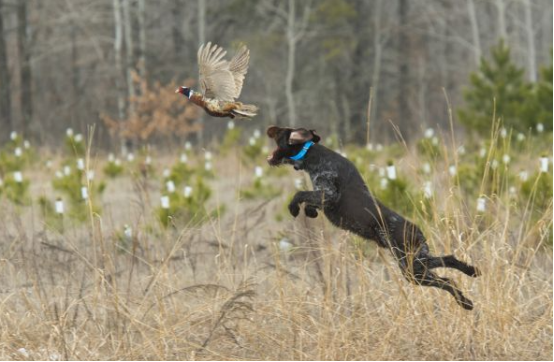
The world of bird hunting dogs is rich with breeds developed over centuries for specific roles. Pointers, setters, retrievers, and flushers all bring unique skill sets to the field. Pointers, like the German Shorthaired Pointer or English Pointer, are renowned for their ability to locate game birds and “point” them, holding a rigid stance to indicate the bird’s location. Retrievers, such as Labrador Retrievers and Golden Retrievers, excel at fetching downed game with a soft mouth, often from water. Flushers, including various spaniels, are bred to burst birds from cover. Each breed has a typical energy level, trainability, and prey drive that dictates how they might respond to different training methods and what kind of hunting they are best suited for.
The Psychology of a Hunting Dog: Instincts and Drives
At the core of every bird dog lies a powerful set of instincts honed over generations. These include the prey drive (the urge to chase and capture), the retrieve drive (the desire to bring objects back), and the pointing or flushing instinct. Understanding these innate behaviors is paramount. Training isn’t about suppressing these drives but channeling them effectively. For instance, a strong prey drive can be harnessed to motivate a dog to search for birds, while the retrieve drive is essential for bringing game back. The challenge lies in teaching control and discipline, ensuring these instincts are deployed on command and not impulsively, turning raw potential into refined skill.

Essential Foundations: Obedience and Socialization
Just as a building needs a strong foundation, a bird hunting dog requires a solid base of obedience and socialization. These are not merely “nice-to-have” skills; they are absolutely critical for safety, control, and effective communication in the demanding environment of the field. Without reliable obedience, even the most naturally gifted dog can become a liability. Early and consistent training in these areas sets the stage for all subsequent specialized bird dog training.
Basic Obedience Commands (Sit, Stay, Come, Heel)
These four commands form the bedrock of canine control. Each must be taught patiently, consistently, and with positive reinforcement.
- Sit: Begin in a quiet environment. Lure your dog into a sit with a treat over their head, say “Sit,” and reward immediately. Practice frequently.
- Stay: Once “Sit” is solid, introduce “Stay.” Start with short durations and small distances, gradually increasing both. Always return to your dog to release them, rather than calling them, to reinforce the “stay” until released.
- Come (Recall): This is perhaps the most vital command for a hunting dog’s safety. Make “Come” a consistently positive experience. Use a happy, excited tone, reward generously, and never use “Come” to scold your dog. Practice in varied environments, starting on a long lead.
- Heel: Teach your dog to walk politely beside you without pulling. Start with a leash and treats, rewarding them for staying in position. This command is crucial for moving through dense cover or around other hunters safely.
Common Pitfalls: Inconsistency in commands, lack of patience, and relying too heavily on punishment instead of positive reinforcement can all undermine basic obedience.
The Importance of Early Socialization
Socialization is the process of exposing your puppy to a wide variety of people, places, sounds, and other animals in a positive way during their critical developmental period (roughly 3-16 weeks). For a bird dog, this means exposure to loud noises (like gunshots, introduced gradually), different terrains, water, other dogs (friendly, vaccinated ones), and various human interactions. A well-socialized dog is confident, less prone to fear-based aggression or shyness, and can adapt to new hunting environments without stress. A poorly socialized dog can develop behavioral issues, gun shyness, or anxiety, making them unsuitable for hunting.
Core Bird Dog Skills: Point, Flush, and Retrieve
Once your dog has mastered basic obedience, you can begin to hone the specific skills required for bird hunting. These core skills – pointing, flushing, and retrieving – are often innate but require careful development and refinement to be effective in a hunting scenario. This stage involves working with game birds (or bird surrogates) and simulating field conditions to train your dog to respond reliably and instinctively.
Developing the “Point” – Natural Instinct to Refined Skill
For pointing breeds, the point is their signature move. It’s a natural instinct to freeze and indicate game, but it needs to be controlled and held until the hunter arrives.
- Introduction to Birds: Start by introducing your dog to live birds (quail, pigeons) in a controlled environment, like a bird pen. Observe their natural reaction.
- Whoa Command: Teach the “Whoa” command, which means to stop and stand still, usually on a check cord or stake. This command is essential for holding a point.
- Yard Work: Use a remote bird launcher or a “flapper” to introduce birds in the yard, working on holding the point and waiting for your command.
- Field Progression: Gradually move to larger fields with planted birds, allowing the dog to range and find game, then reinforcing the “Whoa” and the point.
Tips: Patience is key. Some dogs naturally point; others need more encouragement. Never rush the process or punish a missed point.
Mastering the “Flush” – Controlled Excitement
For flushing breeds, the goal is to drive birds out of cover so they can be shot, but crucially, to do so on command or within a specific range.
- Quartering Pattern: Teach your dog to work in a “quartering” pattern, zigzagging in front of you within gun range to cover ground efficiently. Use a whistle or hand signals.
- Working Cover: Introduce your dog to various types of cover (grass, brush, woods) and encourage them to work through it, seeking out bird scent.
- Flushing on Command: While many flushers will instinctively flush, the key is control. Teach them to wait for your command to flush, or to flush only when they are within a certain distance.
Common Pitfalls: “Busting” birds too far out of range or chasing birds after the flush are common issues that require consistent correction and reinforcement of the “Heel” or “Whoa” commands.
The Art of the “Retrieve” – Soft Mouth and Delivery
A proper retrieve involves finding the downed bird, bringing it back gently (“soft mouth”), and delivering it to hand.
- Force Fetch (Optional but Recommended): This structured method teaches the dog to retrieve on command, ensuring a reliable, consistent retrieve. It involves gentle pressure and repetition, progressing from holding an object to retrieving it from various locations.
- Scent Training: Introduce dummies or bumpers with bird scent to encourage the dog to use their nose to locate “downed” game.
- Marking Drills: Practice “marking” fallen objects (dummies) at varying distances and terrains, teaching the dog to watch where game falls and retrieve it.
- Delivery to Hand: Always insist on the dog delivering the bird directly to your hand, not dropping it prematurely. Reward generously for a proper delivery.
In-Depth Analysis: “Soft Mouth”: A “soft mouth” means the dog retrieves the bird without damaging it. This is crucial for preserving the game. Force fetch training often helps instill this, as does using appropriate training dummies that mimic the feel of a bird. Avoid rough play with retrieve objects that could encourage biting.
Advanced Training: Field Work, Conditioning, and Problem Solving
With core skills established, the next phase is to transition your dog from controlled training environments to realistic hunting scenarios. This involves extensive field work, maintaining physical fitness, and being prepared to address any behavioral challenges that arise. This is where your dog truly becomes a polished hunting partner.
Field Simulation and Real-World Scenarios
The ultimate test of a bird dog’s training is their performance in the actual hunting field.
- Simulated Hunts: Organize simulated hunts with friends, using planted birds in various types of cover and terrain. This allows the dog to experience the sights, sounds, and smells of a real hunt without the pressure of a live hunt.
- Gun Introduction: Gradually introduce gunshots, starting with very distant, low-caliber shots while the dog is distracted and enjoying themselves. Increase proximity and caliber slowly, ensuring a positive association.
- Working with Other Dogs and Hunters: Train your dog to work calmly and effectively around other dogs and hunters, respecting boundaries and commands.
- Water Work: For waterfowl dogs, extensive water retrieving in different conditions is essential.
Physical Conditioning and Nutrition for Hunting Dogs
A bird hunting dog is an athlete. Proper physical conditioning and nutrition are vital for their stamina, health, and performance during long days in the field.
- Exercise Regimen: Implement a regular exercise routine that builds endurance, such as running, swimming, or long walks. Gradually increase intensity as hunting season approaches.
- Diet: Feed a high-quality, high-protein dog food specifically formulated for active or working dogs. Adjust portion sizes based on activity level.
- Hydration: Always provide ample fresh water, especially during training and hunting. Consider electrolyte supplements if activity is intense.
- Veterinary Care: Regular vet check-ups, vaccinations, and parasite control are non-negotiable.
Addressing Common Training Challenges (Gun Shyness, Breaking Point)
Even the best-trained dogs can develop issues. Understanding how to address them is crucial.
- Gun Shyness: This is a serious issue. If a dog becomes gun-shy, it often stems from a negative association with loud noises. Re-introduction must be extremely gradual and positive, often starting with cap guns or .22 blanks fired very far away while the dog is eating or playing.
- Breaking Point/Chase: A dog that breaks point or chases after a flush needs reinforcement of the “Whoa” or “Heel” command. This can involve using a check cord, an e-collar (used correctly and humanely), or simply more repetition in controlled settings.
- Hard Mouth: If a dog retrieves birds roughly, revisit soft-mouth training with dummies. Identify the cause – excitement, frustration, or lack of proper training.
Pro Tips for Training a Superior Bird Dog
Beyond the structured steps, certain principles and practices can significantly enhance your training efforts and forge an exceptional bond with your bird dog. These insights come from years of experience and a deep understanding of canine behavior.
- Consistency is King: Dogs thrive on routine and predictability. Use the same commands, hand signals, and expectations every single time. Inconsistency confuses your dog and slows progress.
- Patience and Positive Reinforcement: Training takes time. Celebrate small victories and avoid frustration. Positive reinforcement (praise, treats, toys) builds confidence and a strong desire to please, making the dog a willing participant.
- Short, Frequent Sessions: Dogs have shorter attention spans than humans. Opt for multiple short training sessions (10-15 minutes) throughout the day rather than one long, exhausting one.
- Understand Canine Body Language: Learn to read your dog’s signals – their posture, tail wags, ear position, and gaze. This helps you anticipate their needs, understand their stress levels, and communicate more effectively.
- Be the Pack Leader (Fairly): Establish yourself as the calm, confident leader. This doesn’t mean dominance or harshness, but rather providing clear direction, structure, and security for your dog.
- Continuous Learning: Both you and your dog are always learning. Attend seminars, read books, watch videos, and consider working with a professional trainer. There’s always more to discover.
- Make it Fun: Training should be an enjoyable experience for both of you. Incorporate play, vary your routines, and keep the energy positive. A happy dog is a better learning dog.
Essential Bird Dog Training Equipment Checklist
Having the right tools can make your training more effective and safer for both you and your dog. Here’s a checklist of essential gear for training a bird hunting dog:
- Leash and Collar: A sturdy 6-foot leash and a flat buckle collar for everyday use.
- Check Cord/Long Line: A 20-50 foot rope for practicing recall and range work in open fields.
- Training Dummies/Bumpers: Various types (plastic, canvas, feathered) to simulate birds and develop retrieving skills.
- Whistle: A traditional dog whistle for long-distance commands, especially “Come” and “Sit/Stop.”
- E-Collar (Electronic Collar): A modern training tool for long-distance correction and reinforcement, used humanely and under expert guidance. (Always research proper use!)
- Bird Launcher/Thrower: Devices to propel training birds or dummies, simulating a bird flush.
- Live Birds (Quail, Pigeons): Essential for advanced training to introduce real bird scent and behavior.
- Kennel/Crate: For safe transport, den training, and providing a secure space for your dog.
- First-Aid Kit: Essential for both you and your dog in the field, including bandages, antiseptic, and paw protection.
- Training Vest/Pouch: To carry treats, dummies, and other small training aids.
- Water Bottle and Bowl: For keeping your dog hydrated during training sessions.
Comparing Training Methods: Traditional vs. Modern Approaches
Bird dog training has evolved significantly. Understanding the differences between traditional and modern approaches can help you choose the best path for your dog and your personal philosophy.
| Feature | Traditional Training | Modern Training |
|---|---|---|
| Core Philosophy | Often relies on compulsion, dominance theory, and corrections. | Emphasizes positive reinforcement, understanding canine behavior, and building motivation. |
| Primary Tools | Force collars (pinch, choke), force fetch, strong verbal/physical corrections. | Clickers, treats, toys, e-collars (used for communication/reinforcement, not punishment), long lines. |
| Learning Process | Dog learns to avoid discomfort/punishment. Repetitive drills. | Dog learns to earn rewards. Focus on engagement, problem-solving, and making training fun. |
| Relationship Focus | Trainer as “alpha” or “boss.” | Trainer as guide, partner, and motivator. Stronger bond through positive interaction. |
| Handling Mistakes | Often met with immediate correction. | Seen as learning opportunities. Trainer adjusts approach; dog is set up for success. |
| Effectiveness | Can be effective but may suppress natural drives or create fear. | Highly effective, promotes enthusiastic learning, and builds a more confident, well-rounded dog. |
While some elements of traditional training, like force fetch, have been adapted into modern methods, the overarching trend is towards less confrontational and more scientifically-backed, positive reinforcement techniques. The goal remains the same: a reliable hunting partner, but the journey is often more enjoyable and less stressful for both dog and handler with modern approaches.
Frequently Asked Questions (FAQ)
- How old should a puppy be before starting bird dog training?
- Basic obedience and socialization can begin as early as 8-10 weeks. Formal bird-specific training, such as introduction to birds and developing point/retrieve, typically starts around 4-6 months, depending on the individual puppy’s maturity and breed.
- Is an e-collar necessary for training a bird hunting dog?
- While not strictly “necessary” for all dogs or trainers, an e-collar can be a highly effective tool for long-distance communication and reinforcement, especially in the field. It should always be introduced properly, humanely, and under the guidance of an experienced trainer, focusing on communication rather than punishment.
- My dog is gun-shy. Can it be fixed?
- Gun shyness can often be overcome, but it requires immense patience, a very gradual re-introduction to sounds, and positive association. It’s crucial to start with very low-level, distant sounds while the dog is happily engaged in another activity, slowly decreasing the distance over weeks or months. Professional help is often recommended for severe cases.
- How long does it take to fully train a bird hunting dog?
- Training a bird hunting dog is an ongoing process, not a destination. While basic field readiness can be achieved in 1-2 years with consistent effort, a dog continues to learn and refine skills throughout its hunting career. The bond and understanding between dog and handler deepen over time with continuous practice and experience.
- What’s the most important quality in a bird hunting dog?
- While prey drive and natural instinct are important, the most crucial quality is trainability combined with a good temperament. A dog that is eager to please, intelligent, and possesses a strong work ethic will be a more successful and enjoyable hunting companion than a dog with raw talent but a poor attitude or lack of focus.