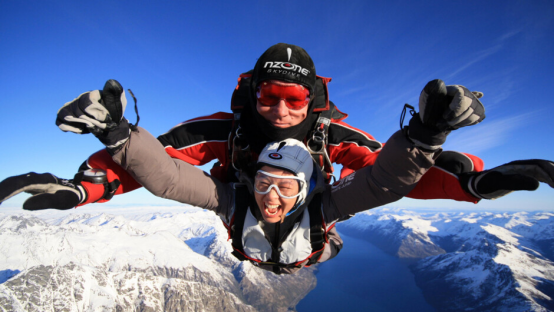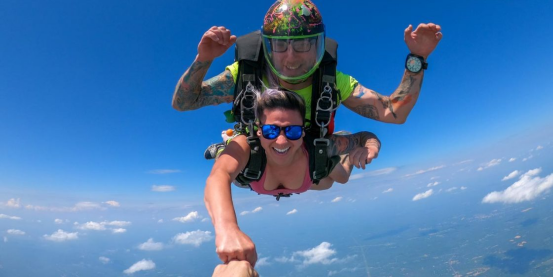
Skydiving is often categorized as an extreme sport, but for those who have experienced the leap from a perfectly functional aircraft, it is described as something much more significant: a spiritual awakening, a physiological reset, and a psychological breakthrough. The transition from the terrestrial world to the vast expanse of the sky triggers a sequence of biological responses that are rarely matched in daily life. This guide delves into the intricate details of what happens to the human body and mind during the skydiving process, examining the science behind the “high” and the long-term well-being benefits of the sport.
The Physiological Pre-Flight: How Your Body Prepares for the Leap
The experience of skydiving begins long before the hangar door opens. As soon as a participant arrives at the drop zone, the brain begins to process the upcoming challenge, initiating a complex cascade of physiological changes. This is the body’s natural “fight or flight” mechanism, evolved over millennia to prepare us for high-stakes situations. The sympathetic nervous system takes the lead, orchestrating a series of internal shifts designed to maximize physical performance and survival.
The Adrenaline Surge and Cortisol Release
The most immediate change is the massive release of epinephrine (adrenaline) and norepinephrine. These hormones act as the body’s internal turbochargers. Adrenaline increases the heart rate, dilates the air passages in the lungs to provide more oxygen to the muscles, and triggers the release of glucose into the bloodstream for immediate energy. Simultaneously, cortisol, the primary stress hormone, is released to manage the body’s energy use and focus the brain’s attention on the immediate environment. This chemical cocktail is what causes the “butterflies” in the stomach and the heightened sense of alertness known as hyper-vigilance.
Cardiovascular and Respiratory Shifts
As the plane climbs to altitude, typically between 10,000 and 14,000 feet, the heart rate continues to climb. Studies have shown that even experienced skydivers see a significant spike in heart rate during the “door open” phase. This increased cardiac output ensures that oxygenated blood reaches the brain and limbs rapidly. Breathing becomes faster and shallower, a process known as tachypnea, which helps the body maintain a high level of oxygen saturation in preparation for the physical exertion of freefall and canopy control.

The Neurochemistry of the Jump: Decoding the Post-Jump Euphoria
The “emotional high” associated with skydiving is not a myth; it is a documented neurological phenomenon. When a skydiver exits the aircraft, the brain shifts from a state of high-stress preparation to one of intense presence and execution. The resulting sensation after landing is often described as a state of “invincibility” or profound peace. This is the result of a secondary chemical surge that rewards the brain for completing a perceived life-threatening task.
The Dopamine and Serotonin Reward System
Once the parachute successfully deploys and the immediate “threat” of freefall subsides, the brain floods the system with dopamine and serotonin. Dopamine is the neurotransmitter associated with pleasure, reward, and motivation. It provides the intense feeling of accomplishment and satisfaction. Serotonin, on the other hand, stabilizes mood and promotes a sense of well-being and happiness. The combination of these two chemicals creates a lasting “afterglow” that can persist for hours or even days after the jump, effectively acting as a natural antidepressant.
Endorphins and Pain Suppression
During the jump, the body also releases endorphins, which are the body’s natural painkillers. Endorphins are chemically similar to opiates and serve to mask physical discomfort while inducing a state of euphoria. This is why many skydivers report feeling physically “light” and energized despite the physical toll of the wind resistance and the opening shock of the parachute. This endorphin rush contributes to the addictive quality of the sport, as the brain seeks to replicate the profound sense of physical and emotional relief.

Health and Well-being: More Than Just a Thrill
While the immediate thrill is the primary draw for many, the long-term health benefits of skydiving are substantial. Engaging in extreme sports requires a level of physical and mental discipline that translates into improved daily functioning and resilience. Skydiving serves as a form of “extreme therapy,” helping individuals break through mental barriers and improve their physical coordination.
Mental Resilience and Stress Management
Skydiving teaches the brain how to handle high-stress environments with composure. By repeatedly facing the fear of jumping, participants develop a higher threshold for stress in their professional and personal lives. This process is known as stress inoculation. When you have successfully navigated the challenges of a 120mph freefall, the typical stressors of the office or home environment seem significantly more manageable. This leads to improved emotional regulation and a more balanced perspective on life’s challenges.
Physical Engagement and Core Strength
Skydiving is a physically demanding activity that engages muscle groups often neglected in traditional workouts. Maintaining a stable “arch” position during freefall requires significant core strength, while controlling the parachute involves upper body strength and fine motor skills. The physical requirements of the sport promote better posture, improved balance, and enhanced spatial awareness.
| Benefit Category | Physiological Impact | Psychological Impact |
|---|---|---|
| Stress Response | Regulates cortisol levels over time | Builds mental resilience and grit |
| Mood Regulation | Floods brain with Serotonin/Dopamine | Alleviates symptoms of mild depression |
| Cognitive Function | Increases neural plasticity | Enhances focus and situational awareness |
| Physical Health | Improves core and upper body strength | Boosts confidence through physical mastery |

Overcoming Acrophobia: Why the Fear of Heights Dissolves in the Air
One of the most common misconceptions is that people with a fear of heights (acrophobia) cannot or should not skydive. In reality, skydiving is often the ultimate “exposure therapy.” Interestingly, many people who feel dizzy or terrified standing on a ladder or a balcony find that skydiving does not trigger the same sensation. This is due to the lack of a visual connection to the ground and the way the human brain processes depth at high altitudes.
The Horizon Effect vs. The Ground Rush
Acrophobia is often triggered by the brain’s inability to reconcile the distance between the body and a fixed point on the ground when standing on a structure. In an airplane at 13,000 feet, the ground looks like a two-dimensional map rather than a precipice. There is no “linear perspective” to trigger the sensation of falling. This allows individuals who are normally terrified of heights to experience the sky without the paralyzing vertigo associated with tall buildings. The act of jumping becomes a cognitive reframing exercise, proving to the individual that their fears are often based on perception rather than reality.
The Empowerment of Facing Fear
Choosing to jump despite a fear of heights provides a massive boost to self-esteem. It is a tangible demonstration of “mind over matter.” This empowerment often spills over into other areas of life, encouraging individuals to take risks and pursue goals they previously thought were impossible. The realization that “I am braver than I thought” is perhaps the most valuable takeaway from a first skydive.

The Mental Reset: Skydiving as a Path to Mindfulness
In our modern, hyper-connected world, it is rare to find moments of absolute focus. Skydiving provides a forced state of mindfulness. When you are in freefall, you cannot think about your mortgage, your emails, or your past mistakes. The sheer intensity of the experience demands total presence in the “now.” This mental reset is a powerful tool for psychological health.
Breaking the Cycle of Rumination
Many mental health struggles, such as anxiety and depression, are characterized by “rumination”—the repetitive circling of negative thoughts. Skydiving effectively “breaks the circuit.” The sensory overload and the requirement for immediate action force the brain to abandon ruminative patterns. This creates a mental “blank slate,” allowing for a fresh perspective and a renewed sense of gratitude for life. It is an awakening of the body and mind that reminds the individual of their own vitality.
The Social Connection of the Drop Zone
Beyond the individual experience, the skydiving community provides a unique support system. The shared experience of intense emotion and physical challenge creates deep bonds between people from all walks of life. This sense of belonging and community is a critical component of long-term well-being, providing a social safety net and a space for shared growth and celebration.
Frequently Asked Questions (FAQ)
- Q1: Why do I feel so happy for several days after my first skydive?
- This is known as the “afterglow” effect. It is caused by the sustained levels of dopamine and serotonin in your brain following the successful completion of a high-stakes task. Your brain rewards you for overcoming a major challenge, leading to improved mood and a sense of peace that can last for 48 to 72 hours.
- Q2: Is it normal for my heart to race even after I’ve landed?
- Yes, it is perfectly normal. Your body has just experienced a massive surge of adrenaline and cortisol. It takes time for these hormones to be metabolized and for your parasympathetic nervous system to return your heart rate and breathing to their baseline levels. This “on-edge” feeling is simply your body’s way of processing the intense stimulation.
- Q3: Can skydiving actually help with my fear of heights?
- For many, yes. Skydiving serves as a form of exposure therapy. Because the visual perspective at 13,000 feet is so different from standing on a ladder, it allows you to experience heights without the usual vertigo. Successfully completing a jump can rewire your brain’s response to heights, making you feel more confident and less fearful in other high-altitude situations.
- Q4: Does skydiving count as a physical workout?
- While it isn’t a replacement for the gym, skydiving is physically taxing. It requires core stability, upper body strength to steer the parachute, and the physical endurance to handle the adrenaline rush. You will likely find that you are physically exhausted after a day at the drop zone, as your body has been working hard to maintain balance and manage the chemical surge.
- Q5: Why is skydiving often called a “mental reset”?
- Skydiving forces you into a state of total mindfulness. The intensity of the experience makes it impossible to think about external stressors. This “forced presence” breaks the cycle of daily anxiety and rumination, providing a mental clarity that many find as effective as meditation or therapy for clearing the mind.