The prospect of jumping out of a perfectly good airplane at 13,000 feet is a concept that defies human instinct. It is a pursuit that sits at the intersection of extreme fear and ultimate liberation. For first-timers, the experience is often described as a sensory overload that shifts from terror during the ascent to a state of “zen-like” clarity once the door opens. Understanding the mechanics of this journey is the first step in conquering the natural resistance your brain provides.
Skydiving is not merely a stunt; it is a highly regulated aviation sport governed by strict safety standards. By shifting your perspective from the “fall” to the “flight,” you can better appreciate the technical precision and physical freedom that defines the modern skydiving experience.
The Science of Freefall: Understanding Terminal Velocity
Many beginners fear the sensation of a “stomach drop,” similar to a roller coaster. However, in skydiving, this sensation only lasts for the first few seconds. As the aircraft is already moving forward at high speed, you are transitioning from one form of flight to another, rather than falling from a standstill.
Terminal Velocity and Air Resistance
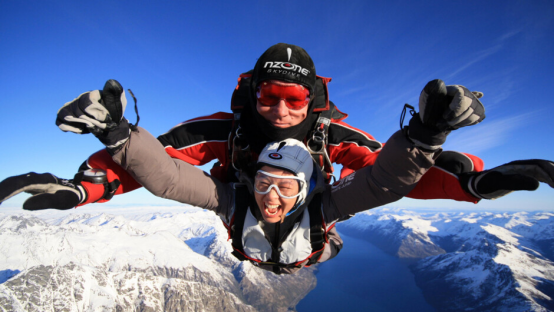
Once you exit the aircraft, your body accelerates until air resistance equals the force of gravity. This state is known as terminal velocity, typically around 120 mph (193 km/h) for a standard tandem belly-to-earth position. At this speed, the air feels like a solid cushion, allowing you to “surf” the wind rather than plummeting through it.
The Physiological Response
During freefall, your body releases a massive cocktail of adrenaline, endorphins, and dopamine. This “fight or flight” response sharpens your senses and creates a feeling of intense presence. Understanding that these physical sensations are a natural part of the thrill can help you manage the pre-jump anxiety.

Essential Preparation: Mental and Physical Readiness
Success in the sky begins on the ground. Preparation is the most effective tool for mitigating the “nerve-wracking” aspects of your first jump. A well-prepared student is a safer student, capable of following instructions even when the adrenaline is high.
Nutrition and Hydration
A common mistake is jumping on an empty stomach or being dehydrated. Low blood sugar can lead to dizziness or nausea during the parachute ride. Eat a light, balanced meal and stay hydrated. Avoid excessive caffeine, which can amplify existing jitters.
The “Arch” Technique
The most critical physical skill for a first-timer is the “arch.” By pushing your hips forward and lifting your head, you create a banana shape that naturally stabilizes your body in the wind. Your instructor will practice this with you on the ground until it becomes muscle memory.
Expert Advice: Pro Tips for First-Timers
- Breathe through your nose: The rush of air can make mouth-breathing difficult at first. Focus on steady nasal breaths to stay calm.
- Keep your eyes open: Many people instinctively blink or close their eyes during the exit. Force yourself to look at the horizon to maintain spatial awareness.
- Trust the equipment: Modern rigs include an Automatic Activation Device (AAD) that will deploy the reserve parachute even if the instructor is unable to do so.

The Tandem Experience: Comparing Your Options
For your first jump, you generally have two paths: Tandem Skydiving or Accelerated Freefall (AFF). Understanding the differences is key to choosing the right level of challenge for your personality.
| Feature | Tandem Skydiving | Accelerated Freefall (AFF) |
|---|---|---|
| Training Time | 30-60 Minutes | 6-8 Hours (Ground School) |
| Responsibility | Instructor handles all technicals | Student operates their own parachute |
| Experience Level | Purely for thrill/introduction | First step toward a solo license |
| Attachment | Harnessed to a professional | Solo with two instructors holding on |
Most people choose Tandem for their first time because it allows them to experience the sensation of flight without the intense pressure of managing life-saving equipment. This “passenger” role allows you to focus entirely on the view and the unique sensations of freefall.

Post-Jump Protocol: The Afterglow and Beyond
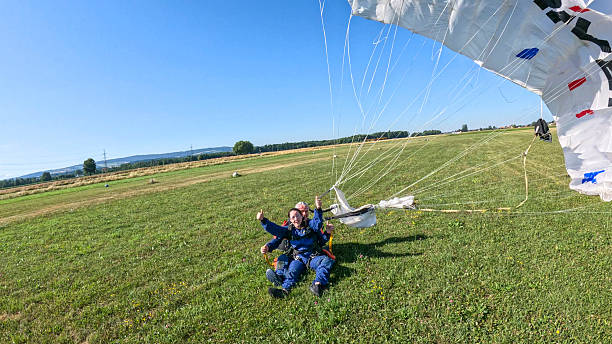
The experience doesn’t end when your feet touch the grass. The “afterglow” of a first skydive can last for days, providing a significant boost in confidence and a new perspective on personal fears.
Capturing the Moment
Always opt for the video and photo package. Because of the sensory overload, many first-timers experience “brain lock,” where they forget parts of the jump. Having a high-definition record allows you to relive the moment and see the parts you might have missed during the initial rush.
Technical Checklist for a Successful Jump
- Check the weather: Winds must be within safety limits (usually under 20-25 mph).
- Verify USPA Membership: Ensure your dropzone is a member of the United States Parachute Association.
- Dress in layers: It is significantly colder at 13,000 feet than on the ground.
- Check your footwear: Wear sneakers with laces; avoid boots with hooks or slip-on shoes.
Frequently Asked Questions (FAQ)
- How safe is skydiving for a first-timer?
- Statistically, skydiving is incredibly safe. According to the USPA, there is roughly one fatality per 500,000 jumps. Tandem skydiving has an even higher safety record due to the rigorous certification process for instructors.
- Will I be able to breathe during freefall?
- Yes. There is plenty of oxygen. While the wind speed might make it feel different, you can breathe normally. If you feel overwhelmed, shouting or screaming actually helps force a breath.
- What happens if the parachute doesn’t open?
- Every skydiving rig is equipped with two parachutes: a main and a reserve. If the main fails, the instructor initiates a “cut-away” and deploys the reserve. Additionally, the AAD acts as a computer-controlled backup.
- Is there a weight limit for skydiving?
- Yes, most dropzones have a limit between 220-250 lbs (100-113 kg). This is due to the weight ratings of the parachute equipment and the harness systems used for tandem pairs.
- How long does the whole experience take?
- While the freefall lasts about 60 seconds and the canopy ride about 5-7 minutes, you should plan to spend at least half a day at the dropzone due to training, gear fitting, and weather variables.