Skydiving is more than just a sport; it’s an experience that transcends the ordinary, offering a unique blend of adrenaline, freedom, and breathtaking perspectives. For many, the idea of leaping from a plane at thousands of feet is a lifelong dream, while for others, it’s a regular pursuit of ultimate thrill. This comprehensive guide delves into the diverse world of skydiving, breaking down the various types, training requirements, safety protocols, and what you need to consider before making your own leap of faith. Whether you’re a curious beginner or looking to expand your airborne horizons, understanding the nuances of tandem, solo, indoor, outdoor, and night skydiving is crucial to finding your perfect adventure.
Understanding the Fundamentals of Skydiving
At its core, skydiving involves exiting an aircraft at a significant altitude, experiencing a period of freefall, and then deploying a parachute to safely descend to the ground. This seemingly simple sequence is packed with intricate physics, rigorous safety measures, and profound psychological impact. The journey begins long before the jump, encompassing preparation, understanding aerodynamics, and trusting in meticulously maintained equipment and highly skilled professionals.
What is Skydiving?
Skydiving, also known as parachuting, is the act of jumping from an airplane (or other high point) and descending to the earth with the aid of gravity and a parachute. The experience is typically divided into two main phases: the exhilarating freefall, where gravity pulls the skydiver towards the earth at speeds often exceeding 120 mph (190 km/h), and the serene canopy flight, once the parachute is deployed, allowing for a controlled and graceful descent to a designated landing zone. The entire process is a symphony of physics and human courage, offering an unparalleled sense of accomplishment and perspective.
The Thrill and the Freedom
The allure of skydiving lies not just in the adrenaline rush but also in the profound sense of freedom it imparts. During freefall, the sensation is often described as flying rather than falling, with the wind providing a cushion that allows skydivers to maneuver their bodies. Once the parachute opens, a peaceful calm descends, offering panoramic views of the landscape below, a stark contrast to the intensity of freefall. This duality of intense excitement and tranquil beauty is what makes skydiving an addictive pursuit for many, fostering a deep connection with the sky and an appreciation for the moment.

Tandem vs. Solo Skydiving: Your First Leap
For individuals new to the sport, the initial choice often boils down to two primary methods: tandem skydiving or embarking on a solo journey. Each offers a distinctly different entry point into the world of freefall, catering to varying levels of comfort, commitment, and desire for independence. Understanding these differences is crucial for selecting the right inaugural experience.
Tandem Skydiving: The Guided Experience
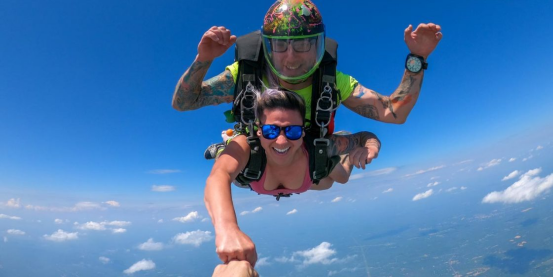
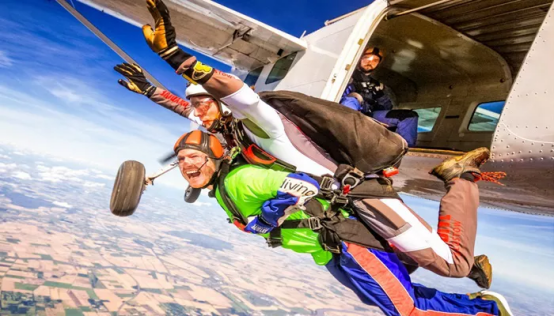
Tandem skydiving is by far the most popular choice for first-time jumpers. In this setup, the student skydiver is securely harnessed to a highly experienced, certified tandem instructor. Both individuals jump together, sharing a single parachute system. This method significantly reduces the training required for the student, focusing primarily on basic body positioning and parachute deployment procedures, as the instructor handles all the complex aspects of the jump.
- Process and Safety: Before the jump, a brief ground training session covers exit procedures, freefall body position, and landing techniques. The instructor is responsible for deploying the main parachute, navigating the canopy, and ensuring a safe landing. The dual harness system and the instructor’s expertise provide an extremely high level of safety, making it accessible even to those with no prior experience.
- Benefits for Beginners: Tandem jumps offer immediate gratification, allowing individuals to experience the full thrill of freefall and canopy flight with minimal preparation. It’s an excellent way to gauge one’s comfort level with heights and the sensation of freefall without the pressure of managing complex equipment or procedures. Many who start with tandem jumps later decide to pursue solo training.
Solo Skydiving: The Path to Independence
Solo skydiving, on the other hand, involves jumping with your own parachute system and taking full responsibility for the jump. This path requires a significantly greater commitment to training and skill development. There are several programs for solo training, such as Accelerated Freefall (AFF) or Static Line, each designed to progressively teach students the necessary skills to jump independently.
- Comprehensive Training Programs: AFF programs typically involve ground school lasting several hours, followed by a series of jumps with one or two instructors holding onto the student in freefall. As the student progresses, instructors gradually release them, teaching them to perform maneuvers, deploy their own parachute, and land safely. Static Line involves jumping from a lower altitude with a tether that automatically deploys the parachute upon exit.
- Responsibilities and Rewards: The responsibility for equipment checks, exit, freefall maneuvers, parachute deployment, and landing rests entirely with the solo skydiver. While demanding, the reward is an unparalleled sense of accomplishment, mastery, and complete control over one’s experience in the sky. This path is for those who aspire to make skydiving a regular hobby or sport.
Comparative Analysis: Tandem vs. Solo
Choosing between tandem and solo often depends on your goals, budget, and appetite for training. The table below highlights key differences:
| Feature | Tandem Skydiving | Solo Skydiving (e.g., AFF) |
|---|---|---|
| Initial Training | 15-30 minutes ground briefing | 6+ hours ground school, multiple coached jumps |
| Instructor Presence | Harnessed together throughout | Instructors in freefall (initially), then independent |
| Responsibility | Instructor handles all critical tasks | Student handles all aspects of the jump |
| Cost per Jump | Typically higher for a single experience | Lower per jump after initial training investment |
| Accessibility | Immediate for most adults | Requires significant time and commitment |
| Experience | Exhilarating, guided, focus on enjoyment | Empowering, skill-focused, builds mastery |
| Minimum Jumps to License | 0 (not a licensed method) | Approx. 25 jumps for A-license |

Indoor vs. Outdoor Skydiving: Different Dimensions of Flight
Beyond the choice of instructor involvement, another significant distinction in the world of flight experiences is between indoor and outdoor skydiving. While both offer the sensation of flight, they cater to different objectives and provide unique environments. Understanding the core differences helps individuals choose the experience that best suits their interests, whether it’s a simulated environment for skill-building or the authentic open-air adventure.
Outdoor Skydiving: The Classic Freefall
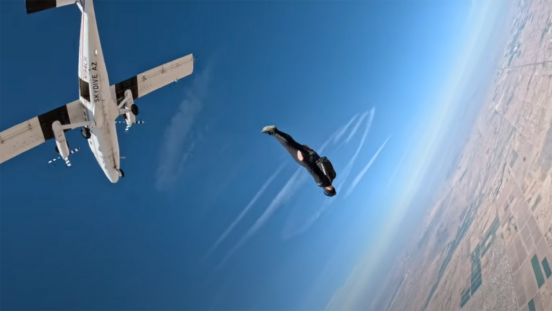
Outdoor skydiving is the traditional form of the sport, involving a jump from an aircraft at altitudes typically between 10,000 to 14,000 feet (approx. 3,000 to 4,300 meters). It offers the full, unadulterated experience of freefall against the backdrop of the earth below and the vast expanse of the sky. This is the experience most people envision when they think of skydiving, characterized by the rush of wind, the panoramic views, and the tangible feeling of defying gravity in an uncontrolled environment.
- The True Open-Air Experience: The primary draw of outdoor skydiving is its authenticity. The sensation of jumping from a plane, the real altitude, the changing weather conditions, and the vastness of the sky create an incomparable adventure. The descent under canopy offers a serene and breathtaking view of the landscape, a reward after the adrenaline-fueled freefall.
- Weather Dependency and Logistics: Outdoor skydiving is highly dependent on weather conditions (wind, clouds, rain) and requires specific drop zones with landing areas. This means jumps can be delayed or canceled, and participants must travel to designated locations, often requiring a full day commitment. Equipment, including aircraft and parachutes, undergoes stringent maintenance and safety checks.
Indoor Skydiving: Controlled Aerodynamic Thrills
Indoor skydiving, or bodyflying, utilizes a vertical wind tunnel to simulate the freefall portion of a skydive. Powerful fans generate an upward column of air strong enough to lift a person, allowing them to float and perform maneuvers in a controlled, enclosed environment. While it doesn’t involve jumping from a plane, it replicates the sensation of freefall with remarkable accuracy, making it an excellent training tool and a sport in its own right.
- Technology and Simulation: Modern wind tunnels are engineering marvels, capable of generating precise airflow to support human flight. Instructors are present in the tunnel to guide flyers, teach body control, and ensure safety. The controlled environment allows for focused practice on body position, turns, and other aerial maneuvers without the variables of altitude or parachute deployment.
- Accessibility and Skill Development: Indoor skydiving is accessible to a broader range of ages and physical abilities, as it does not involve the same physical demands or fears associated with jumping from a plane. It’s an ideal environment for beginners to learn basic freefall skills before attempting an outdoor jump, and for experienced skydivers to hone advanced techniques, such as formation flying, in a safe and repeatable setting.
Comparative Analysis: Indoor vs. Outdoor
Here’s a comparison to help you decide which experience aligns with your preference:
| Feature | Outdoor Skydiving | Indoor Skydiving |
|---|---|---|
| Environment | Open sky, real altitude, natural elements | Controlled wind tunnel, enclosed space |
| Altitude | 10,000 – 14,000 feet (approx.) | Ground level (simulated freefall) |
| Freefall Time | Approx. 45-60 seconds (per jump) | Minutes per session (can be continuous) |
| Parachute | Required for descent | Not applicable (no parachute needed) |
| Weather Impact | Highly dependent on conditions | Not affected by external weather |
| Cost | Higher per individual jump | Can be more affordable for practice time |
| Accessibility | Requires travel to drop zones, specific health/age limits | Widely available, fewer restrictions |
| Experience | Authentic, panoramic views, ultimate thrill | Skill-focused, repeatable, safe, less intimidating |

Night Skydiving: A Unique Celestial Adventure
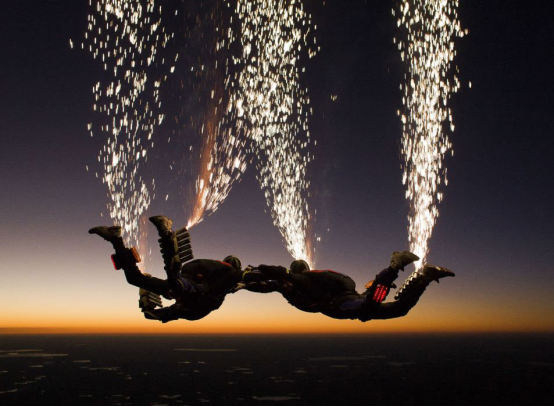
While most skydiving occurs during daylight hours, a select and adventurous few seek the extraordinary thrill of night skydiving. This specialized form of the sport transforms the familiar experience into an entirely new dimension, where the earth’s landscape is replaced by a blanket of stars and the lights of distant cities twinkle below. Night jumps are not for beginners and require additional training and strict adherence to enhanced safety protocols, making them a truly unique and memorable experience for experienced skydivers.
The Mystique of Jumping After Dark
The primary appeal of night skydiving lies in its profound aesthetic and sensory differences. Instead of daylight views, jumpers are treated to the ethereal glow of moonlight, the vastness of a star-studded sky, and the glittering tapestry of urban lights. The absence of visual cues in freefall can heighten other senses, making the experience feel more abstract and dreamlike. The ground rush is less visually apparent, creating a sensation that is often described as floating in an endless void, a truly magical and humbling encounter with the cosmos.
Specialized Equipment and Safety Protocols
Due to the inherent challenges of low visibility, night skydiving demands specialized equipment and even more stringent safety measures than daytime jumps. Each skydiver and instructor must be equipped with multiple light sources. This includes:
- Strobe Lights: Attached to the helmet and harness, these provide visibility to other jumpers in freefall and under canopy, as well as to ground crew.
- Altimeters with Illumination: Standard altimeters are often replaced or supplemented with models that have illuminated faces or audible alarms to ensure accurate altitude readings in the dark.
- Landing Lights: The drop zone requires specific lighting to illuminate the landing area, making it visible from altitude and guiding skydivers to a safe touchdown.
- Ground-to-Air Communication: Enhanced radio communication between the pilot, jumpers, and ground crew is critical for coordination and safety.
Furthermore, all equipment is subjected to additional checks, and contingency plans for various scenarios are meticulously reviewed. The emphasis on safety is paramount, as the reduced visibility magnifies potential risks.
Training and Prerequisites for Night Jumps
Night skydiving is typically reserved for licensed skydivers (usually A-license holders or higher) who have demonstrated proficiency in daytime jumps. Before attempting a night jump, skydivers must undergo specific training, which often includes:
- Ground School: Detailed briefings on night jump procedures, equipment usage, emergency protocols specific to darkness, and communication signals.
- Target Identification: Learning how to identify the illuminated landing area from various altitudes and angles.
- Emergency Procedures Review: Practicing emergency drills with an emphasis on how they differ in low-light conditions.
- Supervised Jumps: Often, the first few night jumps are conducted under direct supervision of experienced night jump instructors, who provide guidance and ensure adherence to all protocols.
The United States Parachute Association (USPA) and similar governing bodies worldwide have specific requirements and recommendations for night jumps, which all participants must meet.
The Unforgettable Visuals and Sensations
While challenging, the rewards of night skydiving are immense. The sensation of freefall under a canopy of stars is profoundly different from a daytime jump. The quietness of the night, combined with the visual spectacle of city lights spreading out like a cosmic map below, creates an almost spiritual experience. Landing under the glow of the drop zone lights, with the cool night air around you, solidifies an adventure that few ever get to witness, leaving an indelible mark on the memory of the skydiver.

Essential Safety Measures and Training for All Skydivers
Regardless of the type of skydiving chosen—tandem, solo, indoor, or night—safety remains the paramount concern. The sport has evolved significantly over decades, with continuous advancements in equipment, training methodologies, and regulatory oversight. Modern skydiving boasts an impressive safety record, largely due to the rigorous protocols and comprehensive training programs designed to mitigate risks. Understanding these measures is crucial for anyone considering a jump, instilling confidence and ensuring a positive experience.
Rigorous Equipment Inspections
Every piece of skydiving equipment is subject to strict standards and regular inspections. Parachute systems, which typically consist of a main canopy, a reserve canopy, and an Automatic Activation Device (AAD), are meticulously packed and maintained. Reserve parachutes are packed by certified riggers, often required to be repacked every 120 days, regardless of use, to ensure they are in optimal condition. AADs are small, computer-controlled devices that automatically deploy the reserve parachute if the skydiver is still in freefall below a predetermined altitude and speed, acting as a crucial last line of defense.
- Parachute Systems: Each system includes a main canopy for routine use and a reserve canopy for emergencies. Both are designed for reliability and performance.
- Harness and Container: The harness securely attaches the skydiver to the parachute system, while the container houses the main and reserve canopies. These are built with robust materials and multiple fail-safes.
- Altimeters: Essential for tracking altitude, altimeters are worn on the wrist or integrated into the helmet. Many modern altimeters are digital and may include audible alarms for critical altitudes.
- Maintenance Logs: All major components have detailed maintenance logs, ensuring regular checks and servicing by qualified personnel.
Professional Instructor Guidance
The bedrock of skydiving safety is the expertise of its instructors and coaches. All instructors, whether for tandem, AFF, or specialized jumps, undergo extensive training and certification processes by national governing bodies like the USPA. They possess thousands of jumps of experience and are adept at teaching, guiding, and reacting swiftly to any situation. Their role is not just to teach techniques but also to instill a strong safety culture and provide clear, concise instructions that ensure the well-being of their students.
- Tandem Instructors: Highly experienced, responsible for the entire jump from exit to landing.
- AFF Instructors: Train students in freefall, providing hands-on guidance and instruction during the learning process.
- Coaches: Help licensed skydivers refine skills, learn new maneuvers, and progress in the sport.
Emergency Procedures and Awareness
While rare, emergencies can occur, and skydivers are thoroughly trained to handle them. This includes learning how to identify a malfunctioning main parachute and execute a cutaway procedure, where the main parachute is released, followed by the deployment of the reserve parachute. These procedures are drilled repeatedly during ground training and reinforced throughout a skydiver’s progression.
- Canopy Malfunctions: Students are taught to recognize various types of malfunctions (e.g., twists, line overs, horseshoe malfunctions) and the appropriate responses.
- Cutaway and Reserve Deployment: This is a critical skill, practiced on the ground using suspended harness simulators. The ability to quickly and calmly deploy the reserve is vital.
- Landing Safely: Training includes learning how to steer the canopy, assess wind conditions, and execute a soft, controlled landing, even in less-than-ideal circumstances.
- Awareness and Vigilance: Skydivers are continuously reminded to maintain situational awareness, check their altitude, and be prepared for any eventuality.
By adhering to these stringent safety measures and embracing comprehensive training, participants can enjoy the incredible thrill of skydiving with confidence, knowing that every precaution has been taken to ensure their safety.

Choosing Your Perfect Skydiving Adventure
With a deeper understanding of the various types of skydiving and the safety measures involved, the next step is to determine which adventure is right for you. This decision often hinges on a combination of personal preferences, desired outcomes, budget, and time commitment. Whether you’re seeking a one-time thrill, a new hobby, or a unique challenge, carefully considering these factors will help you make an informed choice that promises an unforgettable experience.
Assessing Your Comfort Level and Goals
Your comfort level with heights, risk, and the unknown is a primary determinant. If you’re looking for a low-commitment, high-thrill experience with maximum safety oversight, a tandem jump is ideal. It allows you to feel the freefall sensation without the pressure of managing equipment. If you’re drawn to the idea of mastering a skill, controlling your own destiny in the sky, and potentially pursuing skydiving as a sport, then solo training (like AFF) is your path. Similarly, if you want to experience the freefall sensation without an airplane, indoor skydiving is a fantastic, accessible option. For the truly adventurous and experienced, night skydiving offers a profound, unique challenge.
- First-Timers: Tandem skydiving is highly recommended for an introductory experience.
- Skill Seekers: Solo training (AFF) or regular indoor skydiving sessions are best for skill development.
- Unique Experiences: Night skydiving (for licensed jumpers) or specific themed jumps offer distinct adventures.
Budget and Time Considerations
Skydiving can range from a relatively affordable one-off experience to a significant investment for ongoing training and equipment. Tandem jumps typically cost a few hundred dollars. Solo training programs involve a larger upfront investment for ground school and multiple coached jumps, but individual licensed jumps can be more economical in the long run. Indoor skydiving often offers packages for multiple flight sessions, making it a cost-effective way to practice freefall skills. Consider not just the financial cost, but also the time commitment required for training, travel to drop zones, and potential weather delays for outdoor jumps.
- One-Time Thrill: Tandem jump (minimal time, moderate cost).
- Long-Term Hobby: Solo training (significant time and financial investment initially, lower per-jump cost later).
- Skill Practice: Indoor skydiving (flexible time, variable cost depending on package).
Finding a Reputable Dropzone or Wind Tunnel
The quality and safety record of the facility you choose are paramount. For outdoor skydiving, look for drop zones that are certified by national organizations (e.g., USPA in the United States) and have a long-standing reputation for safety and professionalism. Check online reviews, ask about instructor qualifications, and inquire about their equipment maintenance schedules. For indoor skydiving, seek out wind tunnels with certified instructors and modern facilities. Don’t hesitate to ask questions about safety protocols, training programs, and what to expect on the day of your jump. A reputable facility will be transparent and prioritize your safety and enjoyment above all else.
- Accreditation: Ensure the dropzone or wind tunnel is certified by relevant national skydiving associations.
- Instructor Experience: Inquire about the experience and certifications of their instructors.
- Safety Record: Research their safety history and protocols.
- Customer Reviews: Read testimonials and reviews from previous customers to gauge their experience.
By carefully weighing these factors and doing your research, you can confidently choose a skydiving adventure that promises not just a thrill, but a truly rewarding and safe experience, creating memories that will last a lifetime.
Frequently Asked Questions (FAQ)
- Q1: Is skydiving safe?
- Modern skydiving is remarkably safe, thanks to advancements in equipment, rigorous training, and strict safety regulations. While no adventure sport is entirely risk-free, statistics show that the chance of injury or fatality is extremely low, especially for tandem jumps. The United States Parachute Association (USPA) records approximately 0.002 fatalities per 1,000 jumps, making it safer than many daily activities.
- Q2: What is the minimum age for skydiving?
- The minimum age for tandem skydiving in most countries, including the United States, is 18 years old. There is typically no upper age limit, provided the individual is in good health and meets the physical requirements. Indoor skydiving, however, often allows participants as young as 3 or 4 years old, making it a family-friendly option.
- Q3: What should I wear for skydiving?
- For outdoor skydiving, comfortable, athletic clothing appropriate for the weather is recommended. Layers are often a good idea, as it gets colder at altitude. Sneakers or other closed-toe shoes that are securely
Outdoor safety note: This article is general outdoor-sports and wilderness-skills commentary. It is not professional instruction, emergency guidance, legal advice, weather guidance, land-access advice, equipment certification, or a substitute for qualified local training. Check current conditions, local rules, permits, supervision needs, and your own skill level before any outdoor activity.Water safety note: Diving, freediving, surfing, wakeboarding, aquatic fitness, and underwater-communication topics are not certification or rescue instruction. Use qualified instruction, local rules, buddy systems, medical clearance, current weather and water-condition checks, and appropriate emergency planning.Extreme-sports note: Skydiving, wingsuiting, parkour, climbing, bungee jumping, off-road riding, skiing, skateboarding, and rapid-descent activities involve serious risk. Use certified instructors, venue rules, inspected equipment, medical clearance when appropriate, and conservative progression; this article is not a how-to safety certification.