For many passionate mountain bikers, the thrill of a technical descent is often cut short by a familiar, burning pain. It starts as a tightness in the forearms, quickly escalating into a complete loss of grip strength, forcing you to slow down or stop. This phenomenon, known as “arm pump” or “dead grip,” is more than just an annoyance; it’s a major barrier to performance and safety. While many solutions exist, from grip strengtheners to bike adjustments, one of the most effective cures comes from an unlikely place: the water. This guide explores the powerful, science-backed reasons why cable wakeboarding is the ultimate cross-training solution to conquer arm pump for good.
Understanding Arm Pump: The Mountain Biker’s Nemesis
Before we dive into the solution, it’s crucial to understand the problem. Arm pump isn’t just simple muscle fatigue; it’s a physiological response to sustained, intense gripping that plagues riders across all disciplines, from downhill to enduro.
What Exactly Is Arm Pump?
Medically, severe arm pump is related to Chronic Exertional Compartment Syndrome (CECS). When you grip your handlebars tightly, the muscles in your forearm swell with blood. The fascia, a tight sheath of connective tissue surrounding these muscles, doesn’t expand with them. This creates immense pressure, constricting blood flow and pinching nerves. The result is intense pain, cramping, numbness, and a significant loss of hand and finger control—the dreaded “dead grip.”
The Root Cause on the Trail
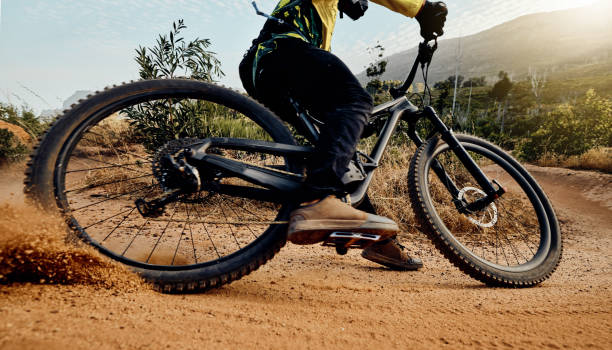
The primary cause for mountain bikers is maintaining a static, high-tension grip (an isometric contraction) to control the bike over rough terrain. Every rock, root, and drop sends vibrations up through the handlebars, and your forearms absorb this shock by clenching harder. This sustained tension is the perfect recipe for inducing arm pump.

The Unconventional Cure: Why Cable Wakeboarding Works
The core issue with arm pump is the technique of gripping, not necessarily a lack of strength. Cable wakeboarding directly retrains this fundamental habit by forcing your body to adopt a more efficient, sustainable method of handling pulling forces.
Shifting from a “Death Grip” to a “Hook Grip”
In wakeboarding, trying to muscle the cable with a tight grip is a recipe for instant failure. You’ll exhaust your arms in minutes and be pulled over the front of the board. The sport teaches you to relax your hands and arms, letting the handle rest in your fingers like hooks. Your arms become mere connectors, transferring the pull from the cable directly to your body’s powerhouse: your core, back, and legs. This is the single most important lesson that translates back to the bike.
Full-Body Engagement Over Arm Strength
Wakeboarding forces a proper athletic stance. You learn to absorb the cable’s pull by bracing with your core, sinking your weight into your heels, and using your entire posterior chain. This trains your body to use large, efficient muscle groups to manage forces, rather than relying on the small, easily-fatigued muscles in your forearms. This holistic engagement is the key to endurance, both on the water and on the trail.

Your First Wakeboarding Session: A Biker’s Guide
Making the leap from dirt to water can be intimidating, but a few key pointers will help you maximize your first session and start building the right habits from the get-go.
Finding a Park and Getting Started
Most cable wake parks are designed for beginners. They typically have a slow-speed, one-on-one training cable in addition to the main loop. All you need is a swimsuit and a towel; the park will rent you a helmet, life vest, and board. Always listen to the instructor’s briefing, as it contains crucial safety and technique information.
Key Techniques for the First Pull
- Stay Small: Start in the water in a tight cannonball position, with the board perpendicular to the cable.
- Arms Straight: Keep your arms straight and relaxed. Do not try to pull the handle towards you. Let the cable pull you up out of the water.
- Wait for the Pull: Be patient. The cable will gently but firmly lift you onto the plane of the water.
- Stand Up Slowly: Once you feel the board planing, slowly stand up, keeping your knees bent and your weight on your back foot.
Common Pitfalls for Mountain Bikers
Your instincts as a mountain biker might work against you initially. Be aware of these common mistakes:
- The Death Grip: Consciously relax your hands. Wiggle your fingers on the handle.
- Pulling on the Rope: Do not fight the cable. Let it do the work.
- Trying to Muscle It: Your strength is a liability at first. Focus on balance and technique.
Translating Wakeboarding Skills Back to the Trail
After a few sessions at the cable park, you can begin to consciously apply these newfound techniques to your mountain biking. The goal is to make the “hook grip” and core engagement your default riding style.
Applying the “Hook Grip” to Your Handlebars
On your next ride, focus on relaxing your hands. Let your palms rest on the grips and your fingers gently wrap around them. Instead of squeezing during technical sections, try to push and pull the bike with your whole body, using your arms as levers and your hands as simple hooks. Focus on “heavy hands, light fingers.”
Grip Technique Comparison
| Technique Feature | MTB “Death Grip” | Wakeboard “Hook Grip” |
|---|---|---|
| Primary Muscles Used | Forearm Flexors | Core, Lats, Glutes, Legs |
| Arm Position | Tense, Bent Elbows | Relaxed, Straight (as connectors) |
| Blood Flow | Highly Restricted | Unrestricted |
| Fatigue Rate | Extremely Fast | Very Slow |
| Control Source | Hands and Arms | Hips and Core |
Expert Tips for Maximum Cross-Training Benefit
To get the most out of wakeboarding as a tool against arm pump, approach it with a strategic mindset.
- Consistency is Key: Aim for one wakeboarding session every one or two weeks during the riding season. This is enough to build and maintain the muscle memory without taking too much time away from the bike.
- Focus on “Riding Switch”: Just like you practice cornering in both directions on a bike, learning to wakeboard with your opposite foot forward (“switch”) is a fantastic way to improve overall balance and coordination.
- Don’t Forget the Basics: Wakeboarding is a great cure, but it works best when combined with proper bike setup (brake lever position, bar roll) and a good on-bike stretching routine for your wrists and forearms.
- Embrace the Fall: Falling is part of learning in wakeboarding. Unlike on a bike, falling on water is low-consequence. Use it as an opportunity to analyze what went wrong and perfect your technique.
Frequently Asked Questions (FAQ)
-
Will wakeboarding make my grip weaker for biking?
- No, quite the opposite. It doesn’t weaken your grip; it makes it more efficient. You will build functional, enduring strength by using your entire body, allowing you to save your maximum grip strength for the moments you truly need it, rather than wasting it on a constant death grip.
-
How long does it take to see results for arm pump?
- Most riders report a noticeable difference after just 2-3 sessions. The initial “aha!” moment happens on the water when you first feel the power of core engagement. The real test is on your next big ride, where you’ll likely find your forearms feel fresher for much longer.
-
Can I get the same benefit from boat wakeboarding?
- Yes, but cable parks are often better for this specific training. The pull from a cable is steady and from a higher angle, which is more conducive to learning the relaxed, arms-out posture. Cable parks also allow for much more riding time in a single session compared to the stop-and-start nature of riding behind a boat.
-
Is wakeboarding an expensive sport to get into?
- It can be, but using it for cross-training is very affordable. A session at a cable park, including all rental gear, is often comparable in price to a bike park lift ticket. You don’t need to invest in your own equipment to reap the benefits.
-
Are there other sports that help with arm pump?
- Yes, other activities that promote a relaxed grip and core strength, like rock climbing (which teaches efficient gripping) or rowing, can also be beneficial. However, wakeboarding’s direct simulation of being pulled forward while maintaining a relaxed upper body is uniquely suited to solving the specific problem of MTB arm pump.