Understanding the Anatomy of a Bushcraft Knife
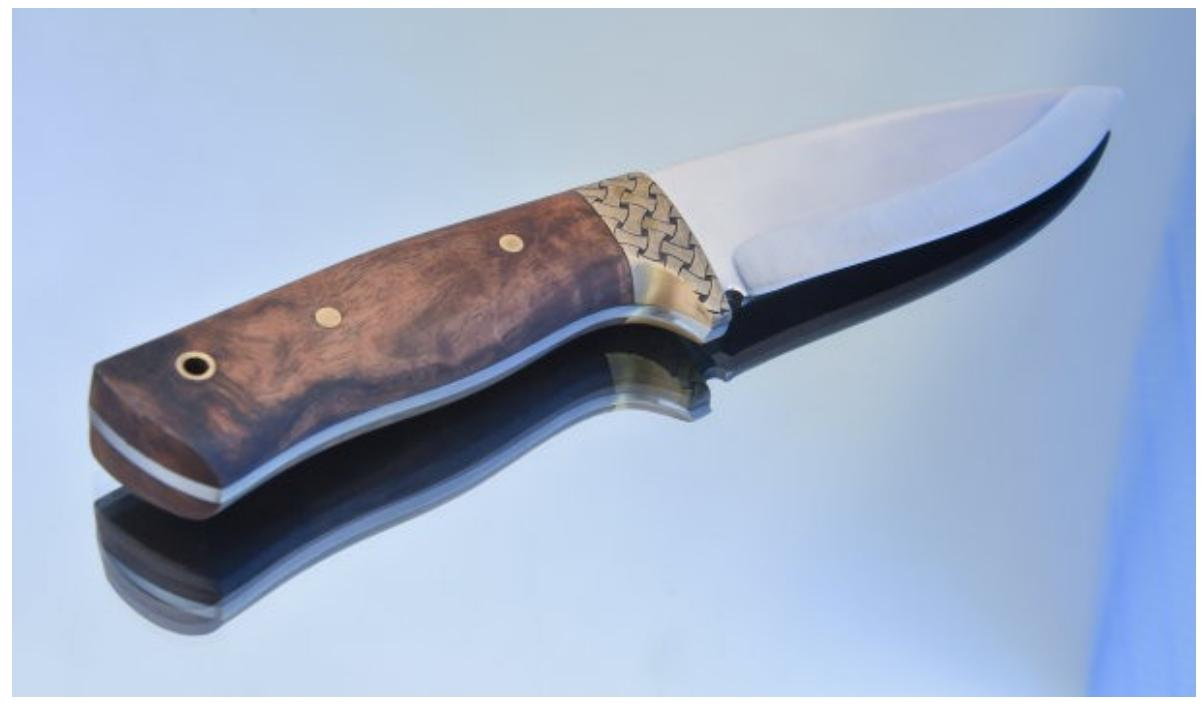
A bushcraft knife is more than just a cutting tool; it is a primary survival instrument designed for wood carving, fire preparation, game processing, and shelter construction. Unlike tactical knives, a bushcraft knife prioritizes geometry and comfort over combat-ready features.
The Importance of Blade Steel
The core of your knife performance lies in the steel. High-carbon steel is the industry standard for bushcraft because it is easier to sharpen in the field and holds a keen edge. However, it requires maintenance to prevent oxidation. Stainless steels, such as CPM-3V, offer better corrosion resistance but can be harder to sharpen without specialized tools.

Selecting the Right Grind Profile and Tang
The grind of the blade dictates how the knife interacts with wood. The Scandinavian (Scandi) grind is widely considered the gold standard for bushcraft because it excels at wood carving and is exceptionally easy to sharpen by laying the bevel flat against a stone.
Full Tang Construction
A full tang—where the metal of the blade extends through the entire length of the handle—is non-negotiable for survival. This provides the structural integrity needed for “batoning,” the act of splitting logs by striking the spine of the knife with a heavy piece of wood.
| Grind Type | Best Use Case | Ease of Sharpening |
|---|---|---|
| Scandi | Wood carving, fire craft | Very High |
| Flat | Slicing, food prep | Medium |
| Convex | Heavy chopping, durability | Low |

Pro Tips for Field Maintenance and Ergonomics
A knife is only as good as its edge. Expert survivalists recommend keeping a small diamond rod or a flat sharpening stone in your pack at all times. Ergonomics also play a vital role; ensure the handle material—such as Micarta or G10—provides a secure grip even when wet or cold.
Common Pitfalls to Avoid
- Choosing a blade that is too long (over 5 inches can be cumbersome for fine carving).
- Neglecting to check the spine for sharp 90-degree edges, which are necessary for striking ferrocerium rods.
- Prioritizing aesthetic design over functional handle shape.
Frequently Asked Questions (FAQ)
- What is the ideal blade length for a bushcraft knife?
- The sweet spot is generally between 3.5 and 4.5 inches. This length provides enough leverage for heavy tasks while remaining agile enough for fine camp crafts.
- Is a serrated edge useful for bushcraft?
- Generally, no. Serrations interfere with smooth wood carving and are difficult to sharpen in a wilderness setting. A plain edge is far more versatile.
- What is a 90-degree spine?
- A 90-degree spine means the back of the blade has sharp, square corners rather than being rounded. This is essential for scraping bark for tinder or creating sparks with a fire starter.
- How often should I oil my carbon steel blade?
- Whenever the knife has been exposed to moisture or acidic food. A thin coat of food-safe mineral oil prevents rust and keeps the carbon steel in top condition.