While many hunters store their gear as the temperatures plummet, the dedicated few know that winter offers a unique and rewarding experience. The frozen landscape transforms the hunt, presenting both distinct challenges and unparalleled advantages. This guide moves beyond the basics, offering a comprehensive deep-dive into the strategies, gear, and mindset required to not just survive, but thrive in a winter hunt. From leveraging the snow for perfect tracking to understanding the science of staying warm, we’ll equip you with the knowledge to make this your most successful season yet.
The Unseen Advantages of Winter Hunting
Hunting in the winter is more than just a test of endurance; it’s a strategic choice that can significantly increase your chances of success. The harsh conditions deter many, creating a quieter, more focused environment for those willing to brave the cold.
Reduced Hunting Pressure and Competition
The most immediate benefit is the solitude. With fewer people in the woods, game animals are less disturbed and more likely to follow their natural patterns. This reduced pressure means you can often get closer and have more opportunities for a clean, ethical shot without worrying about interference from other hunters.
Unparalleled Tracking Opportunities in Snow
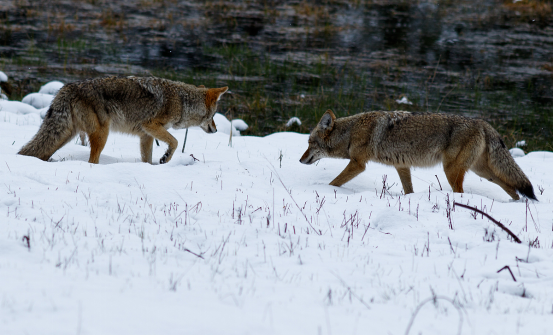
A fresh blanket of snow is a hunter’s best friend. It acts as a living record of animal activity, revealing not just the presence of game, but their direction of travel, speed, and even behavior. Unlike tracking on dry ground, snow provides clear, undeniable evidence, allowing you to follow a trail with much greater confidence and precision.
Enhanced Visibility in a Leafless Landscape
Once the leaves have fallen, the forest opens up. Sightlines that were previously obscured by dense foliage now extend for hundreds of yards. This improved visibility allows you to spot game from a greater distance, giving you more time to plan your stalk and approach.

Mastering the Art of Layering: Your Winter Gear System
Staying warm and dry is the single most important factor for a safe and successful winter hunt. The key is not simply wearing a thick coat, but implementing a strategic layering system that manages moisture and adapts to changing activity levels. Failure to do so can lead to hypothermia, a life-threatening condition.
The Three-Layer Principle: Base, Mid, and Outer Shells
This proven system is the cornerstone of cold-weather comfort. Each layer has a specific job.
- Base Layer: Worn against the skin, its primary function is to wick sweat away from your body. Avoid cotton at all costs, as it holds moisture and chills you. Opt for merino wool or synthetic fabrics like polyester.
- Mid Layer: This is your insulation layer. Its job is to trap your body heat. Materials like fleece, down, or synthetic puff insulation (e.g., PrimaLoft) are excellent choices. You can wear multiple, thinner mid-layers for maximum adaptability.
- Outer Shell: This layer protects you from the elements—wind, rain, and snow. It should be waterproof or highly water-resistant and breathable to allow moisture vapor from your base layer to escape. Look for materials like Gore-Tex or similar proprietary membranes.
Essential Winter Hunting Pack Checklist
Beyond your clothing and weapon, your pack is your lifeline. Here is a technical checklist of must-have items for any winter excursion.
| Item Category | Specific Gear | Purpose & Notes |
|---|---|---|
| Navigation | GPS Unit, Physical Map, Compass | Electronic devices can fail in the cold. Always carry and know how to use analog backups. |
| Sustenance | High-Calorie Foods (nuts, bars), Insulated Thermos | Your body burns more calories to stay warm. A hot drink can significantly boost morale and core temperature. |
| Safety & First Aid | First-Aid Kit with Cold-Weather Additions, Fire Starters | Include emergency blankets, hand warmers, and extra fire-starting materials (lighters, waterproof matches). |
| Illumination | Headlamp with Spare Batteries | Batteries drain much faster in cold temperatures. Always carry a spare set. |
| Tools | Multi-tool, Knife, Small Saw | Essential for field dressing, gear repair, and emergency shelter construction. |
Advanced Winter Tracking and Stalking Techniques
Tracking in snow is an art form. While the tracks are more visible, the environment presents unique challenges. The crunch of snow underfoot can alert game from a long way off, requiring a more deliberate and patient approach.
Reading the Signs: How to Interpret Tracks in Snow
A track tells a story. Look for sharp, defined edges, which indicate a fresh track. Blurred or snow-filled tracks are older. Note the depth—deeper tracks can indicate a heavier animal or softer snow. Pay attention to the gait; a walking pattern is calm, while large distances between prints suggest the animal was running and likely alerted.
Sound Discipline in a Frozen Landscape
Sound travels farther and clearer in cold, dense air. Every snap of a twig or crunch of snow is amplified. Move slowly and deliberately, using a “step-and-pause” method. Time your movements with gusts of wind to mask your sound. Wear soft-faced outer layers (like fleece or wool) that don’t swish or rustle as you move.
Critical Safety Protocols for Cold Weather Hunts
The winter wilderness is unforgiving. A minor mistake that would be an inconvenience in the fall can become a life-threatening emergency in the winter. Preparation and vigilance are non-negotiable.
Recognizing and Preventing Hypothermia and Frostbite
Hypothermia occurs when your body loses heat faster than it can produce it. Early signs include uncontrollable shivering, slurred speech, and clumsiness. Frostbite is the freezing of body tissue, typically affecting extremities like fingers, toes, and the nose. Early signs include numbness and a waxy, white appearance of the skin. Prevention is key: stay dry, block the wind, and fuel your body properly.
Communication and Itinerary
Always tell someone exactly where you are going and when you plan to return. This is the most critical safety rule in hunting. Leave a detailed map of your planned route. Carry a satellite communication device like a Garmin inReach or SPOT, as cell service is often unreliable in hunting areas.
Pro Tips for a Successful and Safe Winter Hunt
- Protect Your Gear: Keep your firearm’s action clear of snow and ice. A frozen action can prevent your rifle from firing. Consider using a winter-grade lubricant.
- Stay Hydrated: You may not feel thirsty in the cold, but you are still losing water through breathing and perspiration. Dehydration can hasten the onset of hypothermia. Drink water regularly, and use an insulated bottle to prevent it from freezing.
- Use Optics Wisely: Breathing on your scope or binocular lenses in the cold will instantly fog or freeze them. Turn your head to breathe, and keep lens caps on until you need them.
- Choose Camo Carefully: Standard fall camouflage patterns are ineffective against a snowy backdrop. Invest in a proper snow camo pattern to break up your outline and remain concealed.
Frequently Asked Questions (FAQ)
- What is the biggest mistake hunters make in the winter?
- The most common and dangerous mistake is underestimating the importance of moisture management. Wearing cotton or overdressing during strenuous activity leads to sweating. When you stop, that sweat rapidly cools and freezes, drastically lowering your core body temperature and leading directly to hypothermia.
- How do I keep my feet warm during a long sit in the cold?
- Properly sized, insulated, and waterproof boots are essential. Do not cut off circulation by wearing too many pairs of socks. Use a single pair of high-quality wool or synthetic socks. You can also use insulated boot blankets for stationary hunting and place a small piece of closed-cell foam on the ground to insulate your feet from the frozen earth.
- Do game animals behave differently in the winter?
- Yes. Animals must conserve energy and find food. They often move less and may bed down for longer periods, especially during severe weather. They will concentrate around available food sources, such as south-facing slopes where the sun melts snow to expose forage, or dense thickets that provide thermal cover.
- What is the best way to keep batteries from dying in the cold?
- Cold temperatures kill battery life. For critical electronics like your GPS or phone, keep them in an inside pocket close to your body heat. Carry spare batteries for all your devices and keep the spares warm as well. Lithium batteries generally perform better in the cold than alkaline batteries.