The Fundamentals of Wildlife Tracking
Wildlife tracking is more than just identifying a footprint; it is a holistic discipline that bridges biology, ecology, and observational science. To interpret the wild effectively, one must look beyond the physical mark and consider the animal’s intent, the environmental conditions, and the time elapsed since the track was made.
The Anatomy of a Footprint
Understanding the anatomy of a track involves analyzing the stride, the pressure release, and the claw marks. Different species leave distinct signatures based on their weight distribution and locomotion style. For example, ungulates (hoofed animals) provide different tracking challenges compared to carnivores with retractable or non-retractable claws.

Advanced Behavioral Analysis
Beyond the print, behavioral tracking focuses on the “why” of the movement. Is the animal foraging, hunting, or fleeing? By observing the gait—whether it is a walk, trot, or gallop—a tracker can determine the state of mind of the animal.
Environmental Factors Affecting Track Quality
Soil composition, moisture levels, and vegetation density significantly impact the clarity of tracks. A track found in soft mud will reveal much more detail than one found on hard-packed clay or pine needles.
| Substrate Type | Tracking Quality | Best Practice |
|---|---|---|
| Mud/Silt | High | Focus on fine detail and claw impressions. |
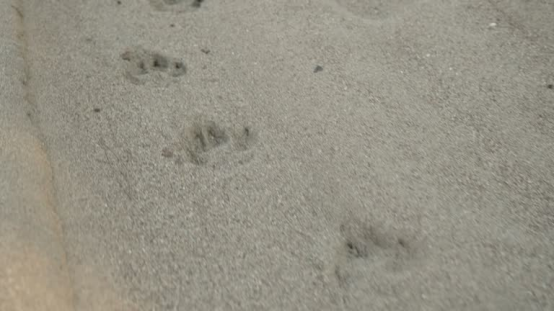
| Sand | Moderate | Watch for depth and drag marks. |
| Hard Soil | Low | Look for disturbed pebbles or displaced leaves. |
Pro Tips for Aspiring Trackers
- Always track with the sun at your side to create shadows in the impressions.
- Carry a scale (like a ruler or coin) to photograph tracks for later identification.
- Practice “trailing” by following a single set of tracks to see where they lead.
- Study the gait patterns (direct register, diagonal walk) of local species.
Frequently Asked Questions (FAQ)
- How do I tell the difference between a dog and a wolf track?
- Wolf tracks are generally more oval and elongated, with a clearer leading edge. Dog tracks tend to be more rounded, often showing a “splay” in the toes.
- What is the best time of day to look for tracks?
- Early morning or late afternoon is ideal because the low angle of the sun casts shadows into the tracks, making them much easier to spot.
- How long do tracks usually last in the wild?
- Track longevity depends on weather. A heavy rain can erase tracks in minutes, while tracks in protected areas or dry climates can last for weeks or even months.
- Should I follow fresh tracks?
- Only if you are skilled in stalking. Following fresh tracks can lead you into dangerous proximity with large predators, so always prioritize situational awareness.