Organizing a Camping Competition: Fun Activities and Recommendations
Organizing a camping competition can transform a regular outdoor trip into an exciting event that fosters camaraderie, tests skills, and creates lasting memories. The key to a successful competition lies in thoughtful planning, engaging activities, and clear objectives. These events are not just about winning; they are about participation, learning, and enjoying the wilderness environment collectively. A well-structured competition can elevate the camping experience for individuals and groups alike, encouraging a deeper appreciation for nature and the skills required to thrive within it.
The success of any camping competition hinges on selecting activities that are both enjoyable and appropriate for the participants’ skill levels and the environment. These activities should be designed to encourage teamwork, problem-solving, and a healthy spirit of competition. From scavenger hunts that explore the natural surroundings to challenges that test practical camping skills, the possibilities are vast. It’s crucial to balance the competitive element with the core spirit of camping: connection with nature and each other.
Planning Your Camping Competition: The Foundational Steps
The initial phase of planning a camping competition involves defining its scope, objectives, and target audience. Are you aiming for a casual family event, a rigorous scout troop challenge, or a more advanced survival skills contest? Establishing these parameters will guide every subsequent decision, from the choice of activities to the required equipment and safety protocols. Thorough planning ensures that the competition is not only fun but also safe and manageable.
- Define Objectives: Clearly articulate what you want participants to gain from the competition. This could be teamwork, specific skill development, or simply a fun recreational experience.
- Identify Target Audience: Consider the age, experience, and physical capabilities of your participants to tailor activities appropriately.
- Set a Budget: Determine the financial resources available for prizes, equipment, permits, and any necessary staffing.
- Choose a Location: Select a campsite that offers suitable terrain and facilities for the planned activities and can accommodate all participants safely.
- Establish Rules and Judging Criteria: Develop a clear and concise set of rules for each activity and define how winners will be determined. Transparency in judging is vital for fairness.
- Safety First: Prioritize safety by conducting risk assessments, establishing emergency procedures, and ensuring adequate first-aid provisions.
Engaging Activities for Camping Competitions
The heart of any camping competition lies in its activities. The best competitions offer a variety of challenges that cater to different interests and skill sets, ensuring that everyone has an opportunity to shine. These activities should be designed to be inclusive, promoting participation rather than exclusion.
Team-Building Challenges
These activities are designed to foster cooperation and communication among participants. They often involve a common goal that requires multiple individuals to work together effectively. Examples include:
- Shelter Building Race: Teams compete to construct the most robust and weather-resistant shelter within a set time frame using natural materials or provided supplies. This tests ingenuity and practical construction skills.
- Knot Tying Relay: A fast-paced challenge where team members must correctly tie a series of essential camping knots in a specific order. This emphasizes precision and speed.
- Navigation Challenge: Teams use maps and compasses to find a series of hidden checkpoints within the campsite or surrounding area. This hones orienteering skills.
Skill-Based Contests
These contests focus on specific outdoor skills, allowing individuals or teams to demonstrate their proficiency. They can range from basic camping chores to more specialized survival techniques.
- Fire Starting Competition: Participants must start a fire using only provided implements (e.g., flint and steel, magnifying glass) and demonstrate control over the flame. This tests resourcefulness and fire safety knowledge.
- Camp Cooking Challenge: Teams prepare a meal using limited ingredients and cooking methods, judged on taste, presentation, and adherence to safety standards. This encourages culinary creativity in the outdoors.
- First Aid Scenario: Teams are presented with a simulated injury or medical emergency and must administer appropriate first aid within a time limit. This assesses practical medical response skills.
Nature and Exploration Activities
These activities encourage participants to connect with and learn about the natural environment.
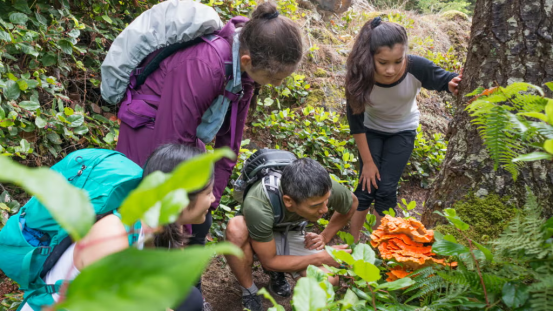
- Nature Scavenger Hunt: Participants identify and collect specific natural items (e.g., types of leaves, rocks, animal tracks) based on a list or clues. This promotes observation and knowledge of local flora and fauna.
- Wildlife Identification Quiz: Using binoculars and field guides, teams identify various birds, plants, or animal signs. This enhances ecological awareness.
- Campcraft Obstacle Course: A series of stations testing various campcraft skills like setting up a tent, packing a backpack efficiently, and safely handling camp tools.
Promoting Safety and Fair Play
Safety must be the paramount concern in any camping competition. Thorough risk assessments should be conducted for all activities, and appropriate safety measures must be implemented. This includes providing adequate supervision, ensuring participants have the necessary protective gear, and establishing clear emergency protocols.
Fair play is equally important for maintaining a positive competitive spirit. Clearly defined rules, transparent judging, and a neutral judging panel can help prevent disputes and ensure that all participants feel their efforts are fairly evaluated. Emphasizing sportsmanship and the spirit of the event over just winning contributes to a more enjoyable experience for everyone.

Wilderness Survival Training: Essential Skills and Challenges
Wilderness survival training is a critical discipline for anyone venturing into remote or unpredictable natural environments. It equips individuals with the knowledge and practical skills necessary to endure and overcome life-threatening situations. The core objective of survival training is to teach individuals how to sustain themselves using available resources until rescue or self-extrication is possible. This involves mastering fundamental needs such as shelter, water, fire, and signaling, all while maintaining mental fortitude.
The challenges of wilderness survival are multifaceted, encompassing environmental hazards, physiological stress, and psychological pressure. Effective training prepares individuals to confront these challenges head-on, transforming potential panic into calculated action. It instills a proactive mindset, emphasizing preparedness and the ability to adapt to rapidly changing circumstances. Understanding the principles of survival is not just about surviving an emergency; it’s about developing a deeper respect for nature and one’s own capabilities.
The Pillars of Wilderness Survival: What You Need to Know
Survival in the wilderness is fundamentally about addressing immediate physiological needs and managing environmental threats. The acronym S.T.O.P. (Stop, Think, Observe, Plan) is often the first principle taught, encouraging a calm and methodical approach to any survival situation. Beyond this, the core components of survival include:
Shelter: Protection from the Elements
The immediate priority after ensuring personal safety is to create or find shelter. Exposure to extreme temperatures (heat or cold), rain, snow, or wind can quickly lead to hypothermia or heatstroke, both of which are life-threatening. A good shelter conserves body heat, protects from precipitation, and provides a psychological sense of security.
- Natural Shelters: Utilizing existing features like caves, rock overhangs, or dense tree canopies.
- Improvised Shelters: Constructing shelters from natural materials such as branches, leaves, and bark, or using tarps and emergency blankets. Common types include lean-tos, A-frames, and debris huts.
- Site Selection: Choosing a location that is dry, protected from wind, and free from hazards like falling branches or flash flood zones.
Water: The Most Critical Resource
Dehydration can incapacitate a person within days. Finding and purifying water is paramount. The human body can survive much longer without food than without water. Therefore, identifying reliable water sources and ensuring their potability is a top survival priority.
- Sources: Rivers, streams, lakes, rainwater collection, dew, and even snow or ice (melted).
- Purification Methods:
- Boiling: The most effective method, killing most pathogens. Requires a container and a fire.
- Filtration: Using portable water filters or natural materials like sand and charcoal to remove sediment and some larger organisms.
- Chemical Treatment: Using iodine tablets or chlorine dioxide drops to kill microorganisms.
- Solar Still: A method to distill water using sunlight, particularly useful in arid environments.
Fire: Warmth, Cooking, and Signaling
Fire is a multi-purpose tool in survival situations. It provides warmth, allows for cooking food, boils water for purification, deters predators, and can be used for signaling rescue. Mastering fire-starting techniques is a fundamental survival skill.
- Tinder: Dry, fluffy materials that ignite easily (e.g., dry grass, bark shavings, cotton balls).
- Kindling: Small twigs and branches that catch fire from the tinder and help ignite larger fuel.
- Fuelwood: Larger pieces of wood that sustain the fire.
- Ignition Methods: Matches, lighters, ferrocerium rods, magnifying lenses, and friction-based methods (bow drill, hand drill).
Food: Sustaining Energy
While less immediate than water or shelter, obtaining food is crucial for maintaining energy levels and cognitive function during extended survival scenarios. This involves understanding edible plants, basic trapping, and fishing techniques.
- Foraging: Identifying and consuming safe wild plants, berries, and roots. Requires extensive knowledge to avoid poisonous species.
- Trapping: Setting simple snares and traps for small game.
- Fishing: Utilizing improvised fishing gear or natural methods.

Navigating Survival Challenges: Practical Strategies
Beyond the fundamental needs, wilderness survival involves confronting a range of challenges that test an individual’s resilience, ingenuity, and preparedness. These challenges are often unpredictable and can escalate quickly, demanding a swift and effective response. The ability to remain calm under pressure and apply learned skills is often the deciding factor between survival and peril.
Effective survival training emphasizes not only the ‘what’ but also the ‘how’ and ‘why’ of each technique. Understanding the underlying principles allows for adaptation to unforeseen circumstances. Furthermore, mental preparedness plays an equally significant role as physical skills. The psychological impact of being lost or in distress can be profound, making mental resilience a cornerstone of survival.
Psychological Aspects of Survival
The mental game in survival is as crucial as any physical skill. Fear, anxiety, and despair can impair judgment and lead to critical errors. Cultivating mental toughness involves several key strategies:
- Maintain a Positive Mental Attitude (PMA): Believing in one’s ability to survive and focusing on actionable steps rather than dwelling on negative thoughts.
- Set Small, Achievable Goals: Breaking down the survival situation into manageable tasks (e.g., find water, build shelter) provides a sense of accomplishment and forward momentum.
- Stay Busy: Engaging in constructive activities helps to prevent dwelling on the situation and conserve mental energy.
- Practice Situational Awareness: Constantly observing the surroundings for potential resources, dangers, and signs of rescue.
- Accept the Situation: Acknowledging the reality of the situation without succumbing to panic is the first step towards effective problem-solving.
Common Survival Scenarios and Preparedness
Understanding common survival scenarios helps in preparing for them. Each scenario presents unique challenges and requires specific skill sets and equipment.
- Getting Lost: The most common survival situation. Emphasizes navigation skills, signaling, and staying put if possible.
- Exposure: Dealing with extreme weather conditions. Focuses on shelter, fire, and appropriate clothing.
- Injury: Managing wounds and medical emergencies. Requires first-aid knowledge and improvisation.
- Water Scarcity: Finding and purifying water in arid or difficult environments.
- Food Scarcity: Sustaining oneself when food sources are limited.
Preparedness is the most effective countermeasure to these scenarios. This includes carrying essential survival gear, informing others of your plans, and undergoing rigorous training.
Essential Survival Gear and Its Use
While improvising is key, having a well-stocked survival kit significantly increases the chances of survival. Essential items include:
- Knife: A versatile tool for cutting, preparing food, making tinder, and countless other tasks.
- Fire Starter: Waterproof matches, lighter, or ferrocerium rod.
- Water Purification: Filter, purification tablets, or knowledge of boiling methods.
- Cordage: Strong rope or paracord for shelter building, traps, and repairs.
- First-Aid Kit: Comprehensive kit for treating injuries.
- Signaling Devices: Whistle, mirror, bright fabric.
- Navigation Tools: Map, compass, GPS device (with backup power).
- Emergency Blanket: Lightweight and effective for retaining body heat.
- Headlamp/Flashlight: For visibility in low-light conditions.
Understanding how to use each item effectively, ideally through practice, is as important as possessing the gear itself. Many items can be multi-purposed, demonstrating the value of resourcefulness.

Advanced Survival Training and Competitions
For those seeking to deepen their wilderness expertise, advanced survival training offers a more comprehensive and challenging learning experience. This level of training often delves into more complex scenarios, specialized techniques, and the psychological conditioning required for extended survival. Advanced courses may also incorporate competitive elements, simulating real-world pressures and testing skills under duress.
Survival competitions, whether for training or recreational purposes, are an excellent way to apply learned skills in a controlled yet demanding environment. These events push participants to their limits, fostering rapid learning and reinforcing the importance of preparation, teamwork, and quick decision-making. They serve as a practical proving ground for the theoretical knowledge gained in basic and advanced training.
Components of Advanced Survival Training
Advanced training goes beyond the basics to cover more nuanced and demanding aspects of wilderness survival. These may include:
- Advanced Shelter Construction: Building complex, long-term shelters capable of withstanding severe weather.
- Water Procurement in Extreme Environments: Techniques for finding and purifying water in deserts, arctic regions, or saltwater environments.
- Advanced Firecraft: Mastering difficult ignition methods and maintaining fires in adverse conditions.
- Primitive Technology: Crafting tools, weapons, and containers using only natural materials and basic implements.
- Tracking and Hunting: Advanced techniques for locating and acquiring game.
- Wilderness Medicine: Extended first-aid and trauma care in remote settings.
- Psychological Resilience Training: Specific exercises and simulations designed to build mental fortitude and coping mechanisms.
The Role of Competitions in Survival Skill Development
Survival competitions are designed to simulate the pressures and uncertainties of real-life survival scenarios. They test not only individual skills but also the ability to work effectively as part of a team under stress. Key aspects that these competitions evaluate include:
- Problem-Solving: How participants approach and resolve unexpected challenges.
- Decision-Making: The quality and speed of choices made under pressure.
- Resource Management: Efficient use of limited supplies and natural resources.
- Teamwork and Communication: The ability to cooperate and communicate effectively with fellow participants.
- Adaptability: How well participants adjust to changing conditions and unforeseen obstacles.
These competitions often involve navigation, shelter building, fire starting, water procurement, and mock rescue scenarios, all performed within strict time limits and under the observation of experienced evaluators.

Frequently Asked Questions (FAQ)
- Q1: What is the most important skill to learn for wilderness survival?
- While all survival skills are important, the ability to remain calm and think clearly under pressure is arguably the most critical. This mental fortitude, often referred to as a Positive Mental Attitude (PMA), allows individuals to effectively apply their knowledge of shelter, water, fire, and food procurement. Without a clear mind, even the best technical skills can be rendered useless.
- Q2: How can I make my camping competition more inclusive for participants of different ages and abilities?
- Inclusivity can be achieved by offering a variety of activities that cater to different skill sets and physical capabilities. For example, a navigation challenge could have different route complexities, or a fire-starting contest could offer both primitive and modern ignition methods. Team-based activities where stronger members can support others, and clear communication of rules and expectations, are also vital. Consider having ‘participation’ awards alongside competitive prizes to encourage everyone.
- Q3: Is it safe to drink water found directly from a stream in the wilderness?
- No, it is generally not safe to drink water directly from a stream or any natural source without purification. Even clear-looking water can contain harmful bacteria, viruses, and parasites (like Giardia or Cryptosporidium) that can cause severe illness. Always purify water by boiling, using a reliable filter, or chemical treatment before consumption.
- Q4: What are the basic requirements for organizing a safe camping competition?
- Safety in organizing a camping competition involves several key elements: thorough risk assessment of all planned activities and the chosen location, clear and well-communicated rules, adequate supervision by experienced individuals, established emergency protocols and communication plans, and readily available first-aid supplies and trained personnel. Ensure participants are aware of potential risks and necessary precautions.
- Q5: How long can a person realistically survive in the wilderness without water?
- The human body can typically survive for about three days without water, though this can vary significantly based on environmental conditions (temperature, humidity), individual health, and activity level. In extreme heat or during strenuous activity, this survival time can be drastically reduced, sometimes to as little as a day or less. This highlights why water procurement and purification are the absolute top priorities in any survival situation.