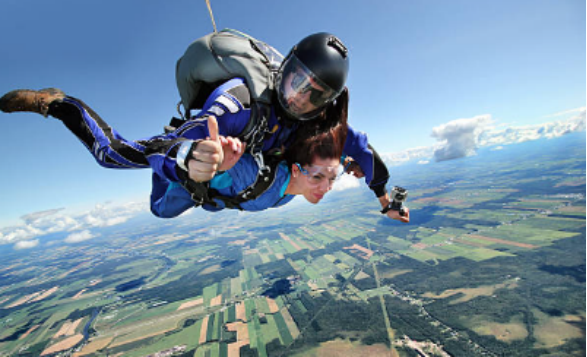
The human desire to fly has evolved from a mythological dream into a diverse array of high-adrenaline disciplines. Modern aerial adventures offer everything from the high-speed descent of skydiving to the graceful soaring of paragliding. To truly master these environments, an adventurer must understand the technical nuances, equipment requirements, and safety frameworks that define each sport. This guide serves as a pillar of knowledge for those looking to transition from a curious observer to a proficient sky-adventurer.
The Gateway to the Skies: Understanding the Fundamentals of Skydiving
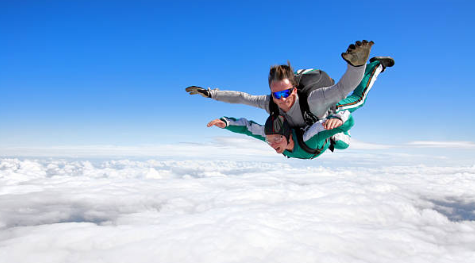
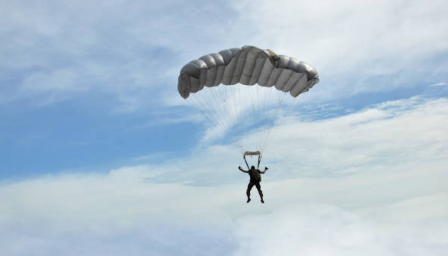
Skydiving is often the first point of entry for those seeking an extreme aerial experience. It involves exiting an aircraft at altitudes typically ranging from 10,000 to 14,000 feet and experiencing a period of freefall before deploying a parachute. The progression in skydiving is strictly regulated to ensure that participants develop the necessary muscle memory and situational awareness.
Choosing Your First Jump: Solo vs. Tandem (Duet) Jumping
The debate between starting with a tandem jump or pursuing solo certification is central to the beginner’s journey. Tandem jumping, often referred to as duet jumping, involves being physically harnessed to a highly experienced instructor. This method allows the student to experience the thrill of freefall and the mechanics of canopy control with minimal prior training, as the instructor handles the technical aspects of deployment and landing.
In contrast, solo jumping requires the completion of a Ground School program and an Accelerated Freefall (AFF) course. While more demanding, solo jumping offers the ultimate sense of autonomy. Beginners must weigh the immediate gratification of tandem jumps against the long-term goal of becoming a licensed skydiver capable of navigating the skies independently.
Essential Training and Ground Schooling
Before any solo flight, students must undergo rigorous ground training. This includes learning the “arch” body position, which is critical for stability during freefall. Instructors also emphasize emergency procedures, such as identifying a “malfunction” and executing the “cutaway” process to deploy a reserve parachute. This foundational knowledge is what transforms a dangerous stunt into a calculated sport.
Paragliding: The Art of Cloud Walking and Thermal Navigation
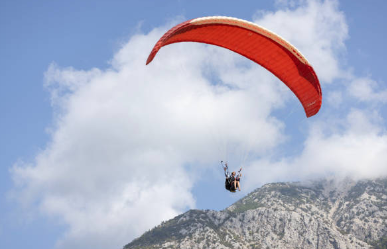
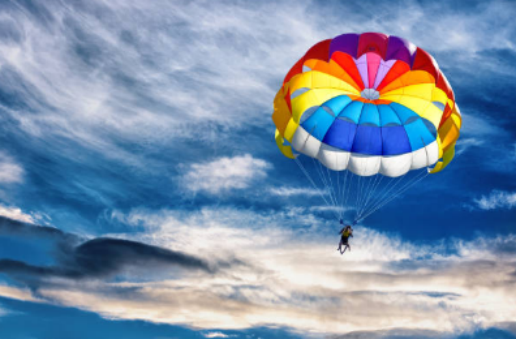
While skydiving is defined by the descent, paragliding focuses on the ascent and sustained flight. Often described as “cloud walking,” paragliding utilizes a lightweight, free-flying, foot-launched glider aircraft with no rigid primary structure. The pilot sits in a harness suspended below a fabric wing, the shape of which is maintained by the pressure of air entering vents in the front of the wing.
The Mechanics of Thermal Soaring
To stay aloft for hours and cover vast distances, paragliders use thermals—columns of rising air created by the heating of the Earth’s surface. Mastering the art of paragliding involves learning to “read” the terrain and the clouds to locate these invisible elevators. This discipline requires a deep understanding of meteorology and micro-climates, making it as much a mental challenge as a physical one.
Equipment and Launch Techniques
Paragliding equipment is remarkably portable, fitting into a large backpack. Key components include the wing (canopy), the harness, a reserve parachute, and a variometer to track climb and sink rates. Launching usually occurs on a slope or a cliff, where the pilot inflates the wing by running into the wind until the lift generated is sufficient to take flight.
The Pinnacle of Extreme Flight: Mastering Wingsuiting
Wingsuiting represents the most advanced form of human flight. By wearing a specialized suit that adds surface area to the human body with fabric between the legs and under the arms, flyers can achieve a significant glide ratio. This transforms vertical drop into horizontal flight, allowing the flyer to “pilot” their body through the air at high speeds.
Aerodynamics and Glide Ratios
In a standard skydive, the glide ratio is roughly 0.5:1 (for every foot dropped, you move half a foot forward). A proficient wingsuit pilot can achieve ratios of 3:1 or higher. This horizontal movement allows for “proximity flying,” where pilots fly close to mountain ridges and through canyons. However, this increased performance comes with significantly higher risks and requires hundreds of standard skydives as a prerequisite.
Wingsuit Deployment Challenges
Deploying a parachute while wearing a wingsuit is more complex than a standard jump. The suit’s “wake” can interfere with the deployment of the pilot chute, leading to dangerous entanglements. Pilots must practice specific “flare” maneuvers to slow their horizontal speed and create a clean air pocket for the parachute to open safely.
Comprehensive Safety Hazards and Strategic Response Protocols
Every aerial discipline carries inherent risks, but these are managed through strict safety protocols and redundant systems. Understanding the most common hazards is the first step in developing a resilient response strategy.
Weather and Environmental Risks
Unpredictable wind shears, sudden turbulence, and changing visibility are the primary environmental threats. Pilots use sophisticated weather tracking tools, but the most important safety tool is the “no-go” decision. If conditions are not within the operating window of the equipment or the pilot’s skill level, the jump or flight must be aborted.
Equipment Failure and Redundancy
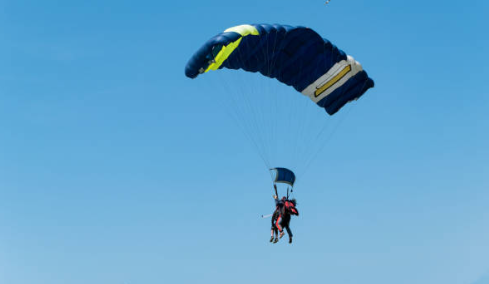
Modern gear is designed with multiple fail-safes. For example, skydiving rigs are equipped with an Automatic Activation Device (AAD). If a jumper is unconscious or fails to deploy their chute by a certain altitude, the AAD will automatically fire the reserve parachute. Despite these technological aids, manual pre-flight inspections remain mandatory.
- Visual Inspection: Checking for frayed lines, tears in the fabric, and proper pin seating.
- Functional Testing: Ensuring that handles are reachable and move freely.
- Rigging Certification: Parachutes must be periodically repacked by certified professionals.
Comparing Aerial Disciplines: Speed, Risk, and Accessibility
Choosing the right discipline depends on an individual’s goals for speed, duration, and technical involvement. The following table provides a comparative overview of the core aerial sports discussed in this guide.
| Feature | Skydiving | Paragliding | Wingsuiting |
|---|---|---|---|
| Primary Goal | Freefall Thrill | Sustained Soaring | Horizontal Flight |
| Average Speed | 120 mph (Vertical) | 25-40 mph (Horizontal) | 100+ mph (Horizontal) |
| Difficulty | Moderate | High (Meteorology) | Extreme |
| Prerequisites | Ground School | Flight Training | 200+ Skydives |
| Flight Duration | 5-7 Minutes | Hours (with Thermals) | 2-4 Minutes |
The Psychological Evolution of an Aerial Adventurer
Beyond the physical and technical requirements, aerial sports demand a unique psychological profile. Managing the “fight or flight” response is a skill that must be honed over time. Professional jumpers often use visualization techniques to walk through every step of their flight before leaving the ground.
Overcoming the Fear of Heights
Interestingly, many skydivers and paragliders actually have a fear of heights (acrophobia). However, the perspective from several thousand feet is vastly different from standing on a ladder. The lack of a ground-based reference point often mitigates the sensation of height, replacing it with a sense of “world-view” and freedom.
The Flow State in High-Stakes Environments
Extreme sports are a gateway to the “flow state”—a psychological condition where the individual is fully immersed in the task at hand. In wingsuiting or high-speed paragliding, the margin for error is slim, necessitating absolute focus. This heightened state of awareness is often what keeps adventurers returning to the sky, as it provides a level of clarity rarely found in everyday life.
Frequently Asked Questions (FAQ)
- Q1: Is skydiving safer than driving a car?
- Statistically, tandem skydiving has a very high safety record, with fewer fatalities per jump than the average person faces in a year of driving. However, it is an extreme sport with inherent risks that are mitigated only through proper training and equipment maintenance.
- Q2: How long does it take to learn paragliding?
- A basic pilot certification usually takes between 7 to 14 days of intensive training. However, mastering the ability to stay aloft using thermals and navigating complex terrain can take years of consistent practice and study of meteorology.
- Q3: Can anyone go wingsuiting?
- No. Wingsuiting is an advanced discipline. The United States Parachute Association (USPA) recommends that a jumper have at least 200 skydives within the past 18 months before attempting a wingsuit jump, due to the complex aerodynamics involved.
- Q4: What happens if the main parachute fails to open?
- All modern skydiving and wingsuit rigs are equipped with a reserve parachute. If the main canopy malfunctions, the jumper performs a “cutaway” to release the main and then deploys the reserve. This process is a core part of beginner training.
- Q5: Do I need special insurance for extreme aerial sports?
- Yes, standard life and health insurance policies often have exclusions for “hazardous activities” like skydiving or paragliding. It is highly recommended to obtain specialized adventure sports insurance that covers search and rescue and high-altitude medical care.