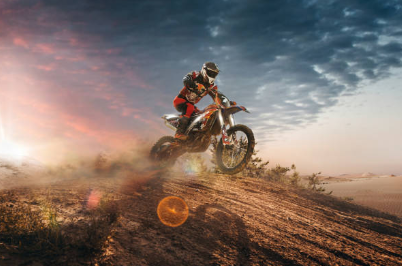
There’s a unique call that echoes beyond the paved roads and city limits—a call to the wild. It’s the roar of an engine not just as noise, but as a heartbeat synchronized with the rugged terrain. Off-road motorcycling is more than a sport; it’s a declaration of freedom, a challenge to your limits, and a profound connection with nature. It’s about conquering dense forests, navigating rocky trails, and feeling the raw power of the machine beneath you as you break through personal constraints. This guide is your first step into that larger world, transforming the dream of wilderness adventure into a tangible reality by covering the bikes, gear, and skills you need to start your journey.
What is Off-Road Motorcycling? The Spirit of Adventure
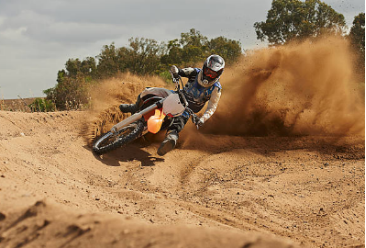
At its core, off-road motorcycling, often called “dirt biking,” is the sport of riding motorcycles on unpaved surfaces. This can range from graded dirt roads to extreme single-track trails that wind through mountains and deserts. Unlike street riding, which is defined by rules and predictable surfaces, off-roading is about improvisation, skill, and adapting to an ever-changing environment.
Beyond the Pavement: Defining the Sport
The essence of off-roading lies in its diversity. It’s an umbrella term for several disciplines, including Motocross (racing on closed circuits), Enduro (long-distance endurance races), and recreational trail riding. What unites them is the departure from asphalt and the unique set of skills required to handle loose surfaces like dirt, sand, mud, and gravel. It’s a full-body workout that demands balance, strength, and intense focus.
The Allure of the Untamed: Why Riders Seek the Wilderness
The primary draw is freedom. It’s the ability to explore remote landscapes inaccessible by other means, to find solitude away from the noise of civilization. Every ride is a test of will and a puzzle to be solved—choosing the right line, managing traction, and overcoming obstacles. This constant challenge fosters incredible self-reliance and a powerful sense of accomplishment that is hard to find elsewhere.
Choosing Your First Off-Road Motorcycle
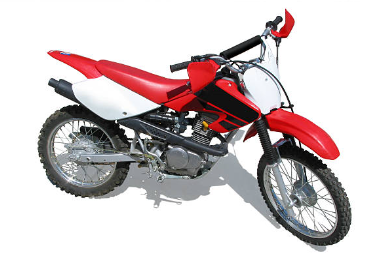
Selecting the right bike is the most critical decision for a new rider. The machine must match your intended use, physical size, and skill level. An overpowered or oversized bike can be intimidating and dangerous, while one that’s too small may not handle the terrain you wish to explore.
Types of Off-Road Bikes
Understanding the main categories of off-road bikes is essential. Each is engineered for a specific purpose, with distinct differences in suspension, power delivery, and features.
| Bike Type | Primary Use | Key Characteristics |
|---|---|---|
| Trail Bike | Recreational riding on trails and fire roads. | User-friendly power, comfortable suspension, electric start. Excellent for beginners. |
| Motocross (MX) | Racing on closed dirt tracks with jumps. | Aggressive power, stiff suspension, lightweight. Not ideal for casual trail riding. |
| Enduro | Long-distance, technical trail riding and racing. | Smooth power, plush suspension, often has lights and a wide-ratio gearbox. |
| Dual-Sport | On-road and off-road use. | Street-legal (lights, horn, mirrors). A compromise between dirt and street performance. |
Key Factors to Consider
For beginners, a trail bike is almost always the best choice. Pay close attention to engine size (a 125cc-250cc four-stroke is a great starting point), seat height (you should be able to touch the ground with at least one foot), and overall weight. A lighter bike is much easier to handle and pick up after a fall.
Essential Gear: Safety is Non-Negotiable
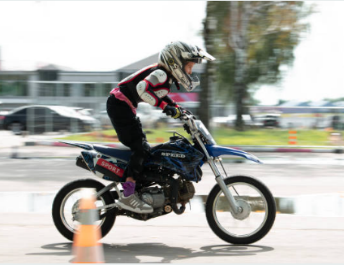
In off-road riding, falling is not a matter of “if,” but “when.” Your gear is the only thing protecting you from injury. Never skimp on safety equipment; it is an investment in your well-being. This is often referred to as ATGATT: All The Gear, All The Time.
The Head-to-Toe Protective Checklist
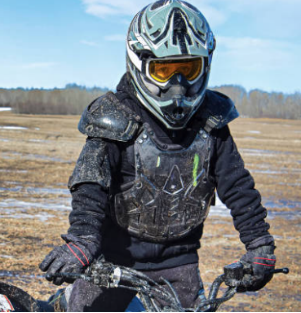
Your essential gear list should be considered a complete system. Each piece works with the others to provide comprehensive protection against impacts, abrasions, and the elements.
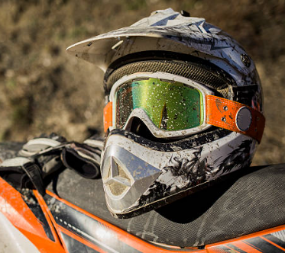
- Helmet: A high-quality, DOT or ECE-certified off-road specific helmet is the most important piece of gear you will own.
- Goggles: Protect your eyes from roost (dirt kicked up by other riders), dust, and branches.
- Boots: Stiff, over-the-ankle off-road boots protect against twists, impacts from rocks, and crushing injuries.
- Gloves: Enhance grip and protect your hands from blisters and impacts.
- Body Armor/Roost Deflector: Protects your chest and back from impacts with handlebars, rocks, and other obstacles.
- Knee and Elbow Guards: Crucial for protecting your joints during a fall.
- Riding Jersey and Pants: Made from durable, breathable materials designed to withstand abrasion and fit over your protective gear.
Mastering Basic Off-Road Riding Techniques
Riding in the dirt is fundamentally different from riding on pavement. The key is learning to work with a constantly moving and shifting surface. Mastering a few basic techniques will build a strong foundation for your skills.
The Attack Position: Your Foundation for Control
The single most important skill is the “attack position.” This means standing up on the footpegs with your knees bent, elbows up, and your head over the handlebars. This posture allows the bike to move underneath you, absorbing bumps with your legs and arms, and it keeps your center of gravity balanced for maximum traction and control.
Throttle and Clutch Control on Loose Terrain
Smoothness is key. Abrupt inputs to the throttle or clutch can easily break traction and cause the rear wheel to spin out. Learn to apply power gently and use the clutch to modulate power delivery in tight, technical sections. This finesse is what separates beginners from experienced riders.
Navigating Hills: Ascending and Descending Safely
When climbing, maintain momentum, stand on the pegs, and lean forward to keep the front wheel down. When descending, shift your weight to the rear of the bike, use both brakes (primarily the rear to avoid washing out the front), and keep the engine in a low gear to help control your speed.
Pro Tips for Your First Wilderness Ride
Your first few rides are about building confidence and learning your limits. Preparation and a smart approach are more important than speed or tackling difficult obstacles.
Scout Your Trail: Planning and Preparation
Don’t just head into the unknown. Research beginner-friendly trails in your area. Use apps like AllTrails or consult local riding groups. Know the trail length, difficulty, and any potential hazards. Always check the weather before you leave and inform someone of your route and expected return time.
The Buddy System: Never Ride Alone
This is a golden rule of off-roading. Riding with a more experienced partner is invaluable. They can help you navigate, offer riding tips, and assist if you have a mechanical issue or an accident. The wilderness is unforgiving, and having a helping hand can be a lifesaver.
Pack a Basic Trailside Maintenance Kit
Even on a short ride, things can go wrong. Carry a small toolkit that includes a master link for your chain, tire irons, a patch kit or spare tube, a portable air pump, and basic wrenches. Knowing how to perform simple repairs, like fixing a flat tire, is a crucial skill.
Frequently Asked Questions (FAQ)
-
What’s the best type of off-road bike for a beginner?
- For most beginners, a trail bike is the ideal choice. Models like the Honda CRF250F, Yamaha TTR-230, or Kawasaki KLX230R offer a great balance of manageable power, comfortable suspension, and reliability. They are designed to be easy to ride and build confidence on various terrains.
-
How is off-road riding different from street riding?
- The primary difference is traction. On the street, you have a consistent, high-grip surface. Off-road, the surface is constantly changing, requiring active body positioning (like standing on the pegs), smooth control inputs, and the ability to manage wheelspin and slides. It is a much more physically demanding and dynamic style of riding.
-
How much does it cost to get into off-road motorcycling?
- The initial investment can be significant. A reliable used beginner bike can cost between $2,000-$4,000. A complete set of new, quality safety gear will cost at least $800-$1,500. You should budget for maintenance, fuel, and potential transportation costs to get to riding areas.
-
Do I need a license to ride an off-road motorcycle?
- This depends on where you ride. On private property or in designated off-highway vehicle (OHV) parks, you typically do not need a motorcycle license. However, if you ride on public lands, forest service roads, or use a dual-sport bike on public streets, you will need the appropriate license, registration, and insurance as required by your local laws.