Extreme sports are often perceived as mere adrenaline-fueled pastimes, yet beneath the surface lies a profound training ground for human physiology and cognitive function. The relentless demands of activities like parkour, rock climbing, surfing, and mountain biking compel the human body and mind to operate at peak efficiency, fostering a level of coordination that transcends conventional athletic training. This comprehensive guide delves into the intricate “nerve to muscle” pathways, revealing how extreme sports don’t just build strength or endurance, but fundamentally rewire the brain and body to achieve what we call ‘super coordination’ – the ability to react, balance, and execute with unparalleled precision and adaptability in dynamic, high-stakes environments.
From the split-second decisions required to navigate an urban obstacle course to the delicate balance needed to conquer a sheer rock face, extreme sports challenge our sensorimotor system in ways few other activities can. They push the boundaries of proprioception, enhance reaction times, and sculpt neuroplasticity, leading to profound improvements in motor skills and overall physical intelligence. We will explore the underlying scientific principles, dissect the physiological adaptations, and provide actionable insights into how these exhilarating pursuits can transform your coordination, not just in sport, but in every aspect of life.
Unlocking Super Coordination: The Science Behind Extreme Sports
Super coordination, in the context of extreme sports, is far more than just quick reflexes. It’s a complex interplay of sensory perception, cognitive processing, and precise motor execution, all honed under conditions of high pressure and unpredictability. Unlike traditional sports that often involve repetitive, predictable movements, extreme sports constantly introduce novel challenges, forcing the brain and body to rapidly adapt and innovate.
Historically, sports science focused heavily on strength, speed, and endurance. However, with the rise of extreme sports, researchers began to recognize the critical role of the nervous system’s ability to integrate vast amounts of sensory information – visual, auditory, tactile, and vestibular – and translate it into fluid, effective movement. This dynamic process is what defines true coordination. The “why” behind extreme sports’ efficacy lies in their inherent demand for constant, creative problem-solving through movement, which directly stimulates the development of advanced neural pathways and muscular control.
This unique training environment fosters a level of physical intelligence that allows athletes to not only perform complex maneuvers but also to anticipate, react, and recover from unexpected scenarios with grace and efficiency. It’s about building a robust, adaptable system that can thrive in chaos.
The Neural Blueprint: Rewiring Your Brain for Peak Performance
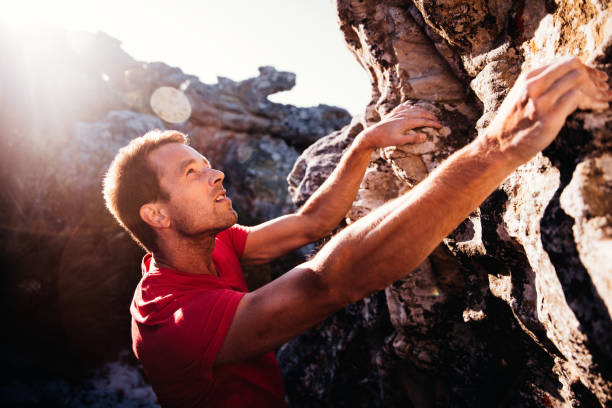
The true magic of extreme sports in developing super coordination lies within the brain and its intricate network of nerves. Every jump, climb, and carve sends a cascade of signals through the nervous system, challenging and ultimately reshaping its architecture for superior performance.
Sensorimotor Integration: Bridging Sensation and Action
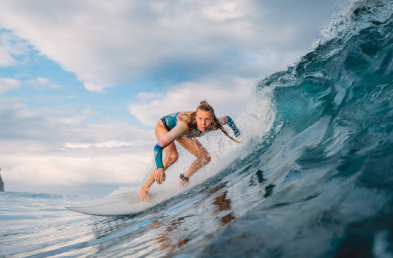
Sensorimotor integration is the brain’s remarkable ability to combine sensory information from all parts of the body and the environment to produce coordinated movements. In extreme sports, this process is constantly overloaded. For instance, a surfer must integrate visual cues of an incoming wave, proprioceptive feedback from their board, and vestibular information about their body’s tilt, all while executing a precise turn. The cerebellum and basal ganglia, key brain regions involved in motor control and learning, are highly active during these tasks, constantly refining movement patterns and predicting outcomes. Consistent engagement in such complex activities strengthens these neural connections, making the integration process faster and more accurate.
Neuroplasticity in Action: Adapting to the Unpredictable
Neuroplasticity, the brain’s ability to reorganize itself by forming new neural connections throughout life, is profoundly stimulated by extreme sports. The unpredictable nature of these activities demands continuous learning and adaptation. When a climber encounters an unexpected handhold, or a mountain biker navigates a sudden drop, their brain creates and reinforces new neural pathways to handle these novel situations. This constant challenge fosters a highly adaptable nervous system, capable of quickly learning new motor skills and adjusting existing ones, a hallmark of super coordination.
Proprioception and Vestibular System: The Body’s Internal GPS
Proprioception is our sense of body position and movement, while the vestibular system (located in the inner ear) provides information about head position and motion relative to gravity. Together, they act as the body’s internal GPS. Extreme sports push these systems to their limits. Imagine a gymnast performing a complex aerial maneuver or a skateboarder grinding a rail – their ability to maintain balance and spatial awareness relies heavily on refined proprioceptive and vestibular feedback. Regular, intense stimulation of these systems through unpredictable movements enhances their sensitivity and accuracy, allowing for more precise and stable control over the body in dynamic environments.
Muscular Precision: From Reaction to Flawless Execution
While the brain orchestrates coordination, the muscles are the instruments that execute the movement. Extreme sports demand not just raw power, but an exquisite level of muscular control, responsiveness, and endurance to translate neural commands into precise, effective actions.
Fast-Twitch Fibers and Reaction Time
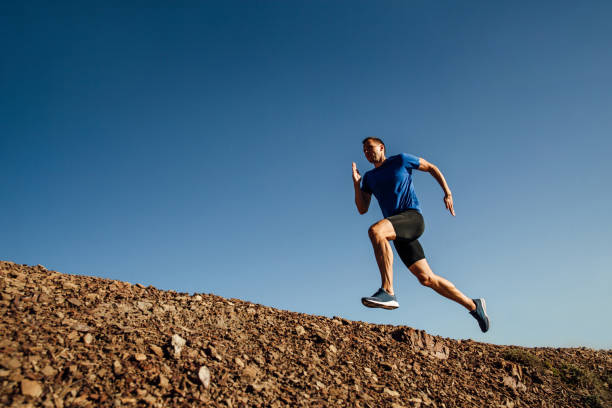
Extreme sports frequently require explosive, rapid movements – a quick grab for a handhold, an immediate shift of weight, or a sudden burst of speed. These actions heavily rely on fast-twitch muscle fibers, which are designed for powerful, short-duration contractions. Training in extreme sports enhances the recruitment and efficiency of these fibers, leading to significantly improved reaction times. The repeated need for rapid responses trains the neuromuscular system to fire more quickly and forcefully, bridging the gap between perception and action with minimal delay.
Core Stability: The Foundation of Dynamic Movement
A strong, stable core is paramount for super coordination. The core muscles act as the body’s central anchor, allowing for efficient transfer of power between the upper and lower extremities and providing a stable base for all dynamic movements. Whether it’s maintaining balance on a slackline, absorbing impact during a jump, or twisting through a complex maneuver, a robust core ensures that movements are controlled, precise, and powerful. Extreme sports inherently train the core in highly functional ways, integrating it into complex, multi-planar movements rather than isolated exercises.
Muscle Memory: Repetition, Adaptation, and Flow
Muscle memory, or motor learning, is the process by which the brain learns to perform complex movements automatically through repetition. In extreme sports, this isn’t just about rote repetition but about adapting learned patterns to ever-changing conditions. As an athlete repeatedly practices a trick or navigates a challenging terrain, the neural pathways involved in those movements become more efficient, requiring less conscious thought. This leads to a state of “flow,” where actions become fluid, effortless, and almost intuitive, allowing the athlete to focus on higher-level strategy and adaptation rather than individual movements. This refined muscle memory is a cornerstone of super coordination, enabling flawless execution under pressure.
Beyond the Thrill: Real-World Applications and Benefits
The benefits of training super coordination through extreme sports extend far beyond the adrenaline-fueled environments where they are cultivated. The enhanced physical and cognitive abilities gained can significantly impact daily life and general well-being.
Improved balance and agility, for instance, translate into a reduced risk of falls and injuries in everyday situations, particularly as one ages. Enhanced spatial awareness and proprioception make navigating crowded spaces, carrying objects, or performing household tasks safer and more efficient. The rapid decision-making skills honed in extreme sports can improve response times in critical situations, such as driving or reacting to unexpected events.
Moreover, the cognitive benefits are substantial. Extreme sports demand intense focus, problem-solving under pressure, and the ability to quickly assess and manage risk. These mental faculties are highly transferable to academic, professional, and personal challenges, fostering greater mental resilience, adaptability, and confidence. The sense of accomplishment derived from mastering complex movements also boosts self-esteem and promotes a growth mindset, encouraging individuals to tackle new challenges both inside and outside the sporting arena.
Mastering Super Coordination: Advanced Training & Expert Strategies
To truly cultivate super coordination, a strategic approach that combines physical training with mental fortitude is essential. This section offers expert advice and practical strategies for enhancing your coordination to an elite level.
Cross-Training for Enhanced Agility and Balance
While specializing in an extreme sport is vital, incorporating diverse forms of cross-training can significantly boost overall coordination. Activities like yoga, martial arts, dance, or even juggling challenge different aspects of balance, agility, and fine motor control. Yoga, for example, improves flexibility, core strength, and static balance, while martial arts enhance dynamic balance, reaction time, and spatial awareness. Integrating these complementary disciplines creates a more well-rounded and adaptable neuromuscular system.
Mental Fortitude: Focus, Risk Assessment, and Flow State
Super coordination is not solely physical; it’s deeply intertwined with mental performance. Developing strong mental fortitude involves cultivating intense focus, accurately assessing risks, and learning to enter a “flow state.” Mindfulness and meditation practices can improve concentration and reduce anxiety, allowing for clearer decision-making in high-pressure situations. Practicing visualization – mentally rehearsing complex movements – can also prime neural pathways for physical execution. Understanding your limits and progressively pushing them, rather than recklessly attempting feats, is key to sustainable progress and injury prevention.
Preventing Injury: The Coordinated Body’s Defense
Ironically, while extreme sports carry inherent risks, a highly coordinated body is better equipped to prevent injury. Improved balance, agility, and proprioception allow athletes to react quickly to unstable situations, recover from near-falls, and absorb impacts more effectively. Furthermore, strengthening supporting muscles and ensuring proper movement mechanics through coordination training reduces strain on joints and ligaments. Always prioritize warm-ups, cool-downs, and listen to your body’s signals to avoid overtraining and facilitate recovery.
Technical Checklist for Super Coordination
- Engage Diverse Movement Patterns: Regularly practice movements that challenge your body in multiple planes (e.g., twisting, rotating, lateral movements).
- Practice Balance Drills: Incorporate static (e.g., standing on one leg) and dynamic (e.g., walking on uneven surfaces, slacklining) balance exercises.
- Integrate Vision Training: Use peripheral vision, track moving objects, and practice hand-eye/foot-eye coordination drills.
- Focus on Core Strength & Stability: A strong core is the anchor for all coordinated movements.
- Regularly Challenge Comfort Zones: Gradually introduce new, slightly more difficult movements or environments to stimulate neuroplasticity.
- Prioritize Recovery & Sleep: Adequate rest allows the nervous system to consolidate learning and repair muscle tissue.
Extreme Sports & Their Coordination Focus: A Comparison
| Extreme Sport | Primary Coordination Focus | Key Skills Developed |
|---|---|---|
| Parkour / Freerunning | Agility & Spatial Awareness | Dynamic balance, precision jumping, obstacle negotiation, rapid decision-making |
| Rock Climbing / Bouldering | Balance & Fine Motor Control | Hand-foot coordination, grip strength, body positioning, intricate movement sequencing |
| Surfing / Snowboarding | Dynamic Equilibrium & Anticipation | Weight shifting, board control, reacting to fluid environments, wave/terrain reading |
| BMX / Mountain Biking | Precision & Timing | Steering accuracy, jump timing, obstacle clearance, body-bike synergy |
| Skateboarding | Balance, Control & Proprioception | Board manipulation, weight distribution, trick execution, fall recovery |
Frequently Asked Questions (FAQ)
- Q1: What’s the fundamental difference between reflexes and coordination?
- A1: Reflexes are involuntary, rapid responses to stimuli, often bypassing conscious thought (e.g., pulling your hand from a hot stove). Coordination, on the other hand, involves voluntary, complex movements that require conscious planning, sensory integration, and fine motor control to achieve a specific goal. While extreme sports can improve reflex speed, their primary impact is on developing sophisticated coordination through learned motor patterns and neural adaptation.
- Q2: Can anyone improve their coordination through extreme sports, regardless of age or prior experience?
- A2: Yes, absolutely. Due to neuroplasticity, the brain’s ability to adapt and form new connections, individuals of nearly any age or experience level can improve their coordination. The key is to start with beginner-friendly activities, progress gradually, and focus on consistent practice. While younger individuals might show faster progress, adults can still achieve significant improvements in balance, agility, and motor skills.
- Q3: How long does it take to see noticeable improvements in coordination from extreme sports training?
- A3: The timeline for improvement varies greatly depending on individual starting points, consistency of training, and the specific demands of the chosen sport. Generally, noticeable improvements in basic coordination can be observed within a few weeks to a couple of months of regular practice (2-3 times per week). Developing “super coordination” for complex maneuvers will take longer, often several months to years, as it involves deep neural rewiring and muscle memory development.
- Q4: Are there any specific risks associated with using extreme sports for coordination training?
- A4: Yes, extreme sports inherently carry higher risks of injury compared to traditional sports due to their challenging nature and often unpredictable environments. Risks include fractures, sprains, concussions, and other trauma. To mitigate these, it’s crucial to start with proper instruction, use appropriate safety gear (helmets, pads), progress gradually, never exceed your current skill level, and train with experienced individuals or coaches. Focusing on fundamental skills before attempting advanced maneuvers is paramount.
- Q5: What are some beginner-friendly extreme sports for someone looking to improve coordination?
- A5: For beginners, activities that allow for progressive skill development and have a lower initial barrier to entry are ideal. Options include:
- Bouldering (indoor): Focuses on balance, grip strength, and problem-solving without ropes.
- Slacklining: Excellent for developing core stability and dynamic balance.
- Skateboarding (cruising/basic tricks): Improves board control, balance, and spatial awareness.
- Trail Running: Enhances agility, proprioception, and cardiovascular fitness on uneven terrain.
- Stand-up Paddleboarding (SUP): Great for core strength, balance, and adapting to water movement.
Always seek proper instruction and prioritize safety.