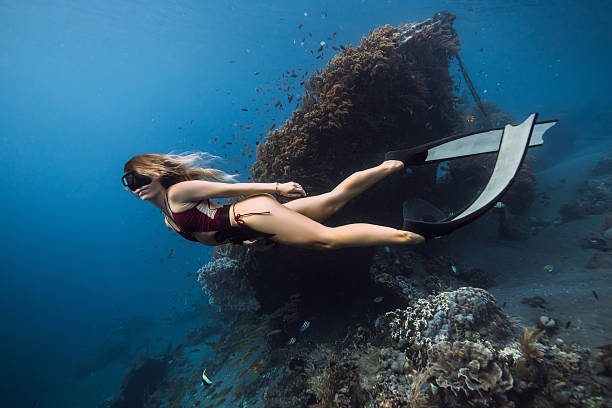
The realms of deep-sea freediving and high-altitude mountaineering may appear disparate at first glance, one plunging into the silent blue abyss and the other ascending towards the thin air of the sky. However, beneath their surface differences lies a profound synergy rooted in the human body’s remarkable capacity to adapt to extreme environments. Both disciplines demand exceptional physiological resilience, precise breath control, and an unwavering mental fortitude to overcome the challenges of oxygen deprivation. This extensive guide will meticulously explore how the ancient art and modern sport of freediving serves as an unparalleled cross-training regimen, equipping mountaineers with critical skills and adaptations that are directly transferable to the “dead zone” of high-altitude peaks.
Physiological Synergy: The Mammalian Dive Reflex and Altitude Acclimatization
One of the most compelling connections between freediving and high-altitude mountaineering lies in the body’s physiological responses to hypoxia—a deficiency in the amount of oxygen reaching the tissues. Freedivers intentionally induce controlled hypoxia, triggering a series of profound adaptations known collectively as the Mammalian Dive Reflex (MDR). This innate response is not exclusive to aquatic mammals but is present in humans, offering a powerful mechanism for survival in low-oxygen conditions. Understanding and training this reflex can significantly enhance a mountaineer’s ability to cope with the reduced atmospheric pressure and lower partial pressure of oxygen found at extreme altitudes.
Understanding the Mammalian Dive Reflex
The MDR is a complex, involuntary physiological response activated upon facial immersion in cold water and breath-holding. Its primary goal is to conserve oxygen for vital organs. Key components include:
- Bradycardia: A significant slowing of the heart rate. During a dive, a freediver’s heart rate can drop by 20-50%, drastically reducing oxygen consumption. This mirrors the need for cardiovascular efficiency at altitude, where every beat counts.
- Peripheral Vasoconstriction: Blood vessels in the extremities (limbs, skin) constrict, redirecting oxygen-rich blood towards the brain, heart, and lungs. This centralizes blood volume, ensuring critical organs receive priority oxygen supply. At altitude, this adaptation can improve blood flow to vital areas under hypoxic stress.
- Blood Shift: As pressure increases during a deep dive, blood plasma and red blood cells are forced from the extremities and abdominal organs into the chest cavity and lungs. This prevents lung barotrauma (squeeze) and maintains lung volume. While not directly analogous to altitude, the principle of optimizing blood distribution is critical for oxygen delivery.
- Spleen Contraction: The spleen, acting as a reservoir for red blood cells, contracts during prolonged breath-holds, releasing a fresh supply of oxygen-carrying cells into the bloodstream. This acute increase in red blood cell count enhances the blood’s oxygen-carrying capacity, a highly desirable trait for mountaineers facing chronic hypoxia.
These physiological shifts, honed through repeated freediving practice, directly enhance the body’s efficiency in oxygen utilization and distribution. For mountaineers, this translates into a more robust and adaptable system for navigating the oxygen-starved environments of high peaks, potentially mitigating symptoms of Acute Mountain Sickness (AMS) and improving performance.

Mastering Hypoxia: Breath-Hold Training for Extreme Environments
The core of freediving training revolves around prolonged breath-holding (apnea) under controlled conditions, often while exerting oneself. This practice is, in essence, a sophisticated form of intermittent hypoxic training (IHT). Mountaineers constantly battle hypoxia, and while traditional acclimatization involves gradual ascent, freediving offers a unique, controlled method to train the body’s response to low oxygen. This proactive training can significantly accelerate and deepen physiological adaptations crucial for high-altitude survival and performance.
The Science of Hypoxic Adaptation
Regular exposure to controlled hypoxia, as experienced in freediving, stimulates several key biological pathways:
- Increased Erythropoietin (EPO) Production: The kidneys respond to low oxygen by producing more EPO, a hormone that stimulates red blood cell production in bone marrow. More red blood cells mean greater oxygen-carrying capacity. This is a primary adaptation sought during altitude acclimatization.
- Enhanced Mitochondrial Efficiency: Mitochondria are the “powerhouses” of cells, responsible for aerobic energy production. Hypoxic training can lead to an increase in mitochondrial density and efficiency, allowing cells to produce energy with less oxygen.
- Improved Capillary Density: Hypoxia can stimulate angiogenesis, the formation of new blood vessels (capillaries). A denser capillary network allows for more efficient oxygen delivery to muscles and tissues, and better waste product removal.
- Increased Tolerance to CO2: Freediving training not only focuses on oxygen conservation but also on improving the body’s tolerance to elevated levels of carbon dioxide. The urge to breathe is primarily triggered by CO2 buildup, not oxygen depletion. By learning to manage this urge, freedivers can extend their breath-holds, and mountaineers can maintain calmer breathing patterns under stress, conserving energy.
These adaptations collectively build a more resilient and efficient oxygen transport and utilization system, directly benefiting mountaineers when faced with the thin air of the “death zone” above 8,000 meters. The ability to perform under conditions of reduced oxygen, both physically and mentally, is a cornerstone of success in extreme mountaineering.
Practical Breath-Hold Techniques for Mountaineers
Incorporating specific freediving breath-hold exercises can be transformative:
- Static Apnea Training: Practicing breath-holds while stationary helps improve CO2 tolerance and trains the mind to remain calm under physiological stress. This directly translates to maintaining composure during strenuous climbs or unexpected delays at high altitude.
- Dynamic Apnea Training: Breath-holds combined with movement (e.g., swimming underwater) train the body to perform efficiently with limited oxygen, mimicking the physical exertion of climbing.
- Diaphragmatic Breathing: Mastering deep, diaphragmatic breathing, a fundamental freediving technique, optimizes lung capacity and gas exchange. This ensures maximal oxygen intake with each breath, crucial when atmospheric oxygen is scarce.

Mental Fortitude and Focus: The Psychological Edge
Beyond the physiological, freediving cultivates a profound level of mental control, discipline, and awareness that is invaluable for mountaineers. Both disciplines demand an ability to remain calm under extreme pressure, manage fear, and maintain razor-sharp focus in environments where mistakes can have dire consequences. The psychological training inherent in freediving offers a unique advantage in the unpredictable and demanding world of high-altitude climbing.
Cultivating Calm Under Pressure
In freediving, the urge to breathe can be overwhelming, triggering panic in untrained individuals. Advanced freedivers learn to observe these sensations without reacting impulsively, using mindfulness and relaxation techniques to extend their breath-hold. This training directly translates to mountaineering scenarios:
- Managing Stress Responses: The ability to calm the nervous system and slow the heart rate under duress, honed in freediving, helps mountaineers avoid panic during unexpected challenges like sudden weather changes, technical difficulties, or the onset of AMS.
- Enhanced Self-Awareness: Freediving teaches a deep connection to one’s own body and its signals. Mountaineers with this skill can better interpret early warning signs of fatigue, dehydration, or altitude sickness, allowing for timely intervention and preventing critical situations.
- Discipline and Patience: Both sports require immense patience—waiting for weather windows, managing energy reserves, or enduring prolonged periods of discomfort. Freediving reinforces the discipline to adhere to a plan and trust one’s training, even when faced with adversity.
The Power of Visualization and Mindfulness
Freedivers extensively use visualization techniques to mentally prepare for dives, imagining every step, every sensation, and every potential challenge. This mental rehearsal builds confidence and optimizes performance. Similarly, mountaineers can benefit from:
- Pre-climb Visualization: Mentally rehearsing difficult sections of a climb, imagining successful navigation, and anticipating potential obstacles can significantly improve actual performance and decision-making on the mountain.
- Mindfulness in Movement: The mindful, efficient movements cultivated in freediving, where every motion is optimized to conserve oxygen, can be applied to climbing. This leads to smoother, less energy-intensive ascents, reducing fatigue and maximizing endurance.

Physical Conditioning: Lung Capacity, Core Strength, and Efficiency
While the physiological adaptations and mental resilience are paramount, the physical conditioning aspects of freediving also offer substantial benefits for mountaineers. The rigorous demands of breath-hold diving naturally strengthen key muscle groups and improve overall physical efficiency, all of which are directly applicable to the rigors of high-altitude climbing.
Optimizing Respiratory Mechanics and Lung Volume
Freediving training places a strong emphasis on maximizing lung capacity and efficiency:
- Increased Total Lung Capacity (TLC): Through specific stretching and breathing exercises, freedivers can increase the elasticity of their lungs and diaphragm, leading to a greater TLC. A larger lung capacity means more oxygen can be taken in with each breath, a critical advantage at altitude.
- Enhanced Vital Capacity (VC): This refers to the maximum amount of air a person can exhale after a maximum inhalation. Improving VC allows for more effective gas exchange and ensures that the body can draw upon a larger reserve of oxygen.
- Diaphragmatic Strength and Control: The diaphragm is the primary muscle of respiration. Freediving drills significantly strengthen and improve the control of this muscle, leading to more efficient and less fatiguing breathing, which is vital for sustained exertion in thin air.
Core Strength and Body Awareness
Freediving requires significant core strength for efficient movement underwater and for maintaining proper body alignment during dives. A strong core is also fundamental for mountaineering, providing stability, balance, and power for climbing and carrying heavy packs.
- Improved Posture and Balance: The body awareness cultivated in freediving, where every movement is precise and intentional, enhances balance and proprioception. This is crucial for navigating uneven terrain and maintaining stability on precarious mountain paths.
- Energy Conservation: Efficient movement, trained through freediving, translates to energy conservation. Mountaineers who move efficiently use less oxygen and expend less energy, allowing for longer, safer climbs.

Real-world Applications and Case Studies
The theoretical benefits of freediving for mountaineering are increasingly being validated by real-world applications and anecdotal evidence from athletes who cross-train in both disciplines. These examples highlight the tangible advantages gained from incorporating breath-hold training into an altitude preparation regimen.
Elite Athletes Bridging the Divide
Several high-performance athletes have recognized the synergistic benefits:
- Mountain Guides and Expedition Leaders: Many professional mountain guides incorporate breath-hold training into their personal fitness routines. They report improved lung function, greater mental calm during stressful situations, and enhanced recovery rates at altitude. The ability to remain composed and think clearly under hypoxic stress is a non-negotiable skill for those leading others into extreme environments.
- Record-Breaking Climbers: While specific data linking freediving directly to a summit is often anecdotal, many climbers who push the limits of human endurance, particularly those attempting unsupported or “fastest known time” ascents, often engage in diverse cross-training that includes breath-work and cardiovascular conditioning that mirrors freediving principles. They often speak of the importance of mental resilience and efficient breathing, which are hallmarks of freediving.
Enhanced Safety and Emergency Preparedness
Beyond performance, freediving training significantly contributes to safety in high-altitude environments:
- Hypoxia Tolerance in Emergencies: In a worst-case scenario, such as an oxygen system failure or a prolonged rescue operation at extreme altitude, a mountaineer with higher hypoxia tolerance, developed through freediving, will have a crucial advantage. This enhanced tolerance can buy precious time, allowing for better decision-making and improved chances of survival.
- Improved Recovery: The body’s enhanced ability to process and utilize oxygen, coupled with improved cardiovascular efficiency, aids in faster recovery from exertion and better adaptation to the physiological stresses of altitude.
These real-world insights underscore that freediving is not merely a novel fitness trend but a scientifically sound and practically beneficial training methodology for those who venture into the planet’s most challenging high-altitude landscapes. The deliberate practice of breath-hold and adaptation to oxygen scarcity prepares the body and mind in ways that conventional training often overlooks.

Pushing the Limits: Understanding the Human Body’s Extreme Endurance
Freediving, at its extreme edge, pushes the human body to its absolute physiological limits, revealing the incredible adaptability and resilience inherent within us. Studying the physical limits of elite freedivers provides invaluable insights into how the body functions under severe stress and oxygen deprivation, knowledge directly applicable to understanding and mitigating the risks faced by mountaineers in the “death zone” and beyond.
The Physical Limits of Freediving
Elite freedivers achieve feats that defy conventional understanding, holding their breath for over 10 minutes and diving to depths exceeding 100 meters. These achievements are not solely due to willpower but are rooted in profound physiological changes:
- Lung Adaptations: Freedivers often develop highly elastic lungs that can withstand immense pressure changes and hold significantly more air. The average lung capacity of an elite freediver can be 20-30% greater than that of an average person.
- Blood Oxygen Saturation (SpO2) Levels: During prolonged breath-holds, a freediver’s SpO2 levels can drop dramatically, sometimes below 50%, yet they maintain consciousness and function. This extreme tolerance to low oxygen is a direct result of their training and the activation of the Mammalian Dive Reflex.
- Carbon Dioxide Tolerance: The body’s primary signal to breathe is the buildup of CO2, not the depletion of O2. Freedivers train their bodies to tolerate much higher levels of CO2, delaying the involuntary urge to breathe and allowing for longer apneas. This high CO2 tolerance is a critical factor in maintaining calm and controlled breathing during hypoxic stress at altitude.
Parallels with Extreme Mountaineering
The physiological challenges faced by freedivers—hypoxia, hypercapnia (excess CO2), and extreme physical and mental stress—mirror those encountered by mountaineers at high altitudes:
- Cellular Hypoxia Resistance: The adaptations developed through freediving, such as increased mitochondrial efficiency and EPO production, contribute to a greater cellular resistance to hypoxia. This means the body’s cells are better equipped to function with less oxygen, reducing the risk of tissue damage at altitude.
- Mental Resilience in Crisis: The ability of freedivers to remain calm and rational when their bodies are screaming for air is a testament to their mental training. This skill is directly transferable to mountaineers who might face life-threatening situations where clear thinking under duress is paramount.
- Understanding the “Blackout” Phenomenon: Freedivers are acutely aware of the risks of shallow water blackout, where consciousness is lost due to a sudden drop in blood oxygen levels, often upon surfacing. This understanding of oxygen dynamics and the subtle signs of impending blackout can inform mountaineers about the dangers of pushing too hard in hypoxic conditions and recognizing the signs of severe altitude sickness.
By understanding the mechanisms through which freedivers push human limits, mountaineers can gain a deeper appreciation for their own body’s potential and develop strategies to safely and effectively navigate the extreme demands of high-altitude environments.
Frequently Asked Questions (FAQ)
- Q1: How does freediving specifically help with acclimatization to high altitude?
- Freediving induces controlled hypoxia, triggering physiological adaptations like increased red blood cell production (via EPO), enhanced oxygen utilization by cells, and improved tolerance to carbon dioxide. These adaptations directly mimic and accelerate the body’s natural acclimatization processes to low oxygen environments, making the transition to high altitude smoother and safer for mountaineers.
- Q2: Is freediving training safe for someone primarily focused on mountaineering?
- When practiced under proper instruction and safety protocols, freediving training is extremely safe. It teaches critical breath-hold techniques, safety procedures, and self-awareness. For mountaineers, it’s a controlled way to expose the body to hypoxic stress, which, unlike uncontrolled altitude exposure, can be carefully monitored and gradually intensified, minimizing risks while maximizing benefits.
- Q3: What are the key mental benefits a mountaineer can gain from freediving?
- Freediving demands profound mental discipline, focus, and the ability to remain calm under extreme physiological stress. Mountaineers can develop enhanced self-awareness, learn to manage panic responses, improve their capacity for sustained focus in challenging conditions, and cultivate a deep sense of inner calm—all vital for making sound decisions and enduring discomfort at high altitudes.
- Q4: Do I need to become an expert freediver to see benefits for mountaineering?
- Absolutely not. Even foundational freediving courses and regular practice of basic breath-hold exercises, diaphragmatic breathing, and relaxation techniques can yield significant benefits. The goal is not necessarily to dive to extreme depths, but to cultivate the physiological adaptations and mental resilience that freediving intrinsically fosters.
- Q5: How does freediving affect lung capacity and respiratory efficiency for climbers?
- Freediving training involves exercises designed to increase lung elasticity, total lung capacity, and vital capacity. It also strengthens the diaphragm, the primary breathing muscle, leading to more efficient and less fatiguing respiration. For climbers, this means being able to take in more oxygen with each breath and breathe more efficiently, which is a critical advantage when atmospheric oxygen is scarce at high altitudes.