The Transformative Power of Rhythmic Movement and Dance
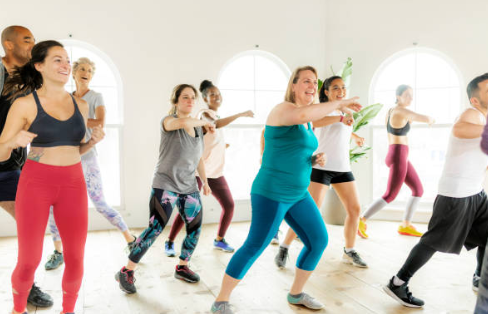
Dance is more than just artistic expression; it is a full-body workout that integrates cardiovascular health with neuro-motor coordination. Whether engaging in aerobic dance or structured choreography, the body undergoes significant physiological changes that enhance overall vitality.
Cognitive and Cardiovascular Synergy
Participating in dance-based fitness routines forces the brain to coordinate complex motor patterns while simultaneously elevating the heart rate. This dual demand improves neuroplasticity and strengthens the heart muscle.
- Enhanced Memory: Learning routines challenges spatial memory and cognitive recall.
- Stress Reduction: Rhythmic movement triggers the release of endorphins, effectively lowering cortisol levels.
- Caloric Expenditure: High-energy dance forms provide a sustainable way to manage body composition.

The Core Philosophy of Pilates for Bone Density and Shaping
Pilates focuses on the powerhouse—the abdominal, lower back, and pelvic muscles. For women specifically, Pilates offers a unique blend of resistance and stability training that is essential for maintaining bone density and structural integrity as the body ages.
Why Pilates is Essential for Structural Health
Unlike high-impact sports, Pilates emphasizes controlled, precise movements that target deep stabilizers. This helps in correcting postural imbalances and alleviating chronic back pain caused by sedentary lifestyles.
- Bone Density Support: Controlled resistance training stimulates osteoblast activity, which is crucial for long-term skeletal health.
- Core Stabilization: By strengthening the deep transverse abdominis, practitioners achieve better posture and reduced risk of injury.
- Elegant Shaping: The elongated muscle movements fostered by Pilates contribute to a toned, lean physique without excessive bulk.

The Science of Running: Strengthening Body and Mind
Running is perhaps the most accessible yet scientifically profound exercise. It serves as a natural stress-reliever while building lower-body strength and cardiovascular endurance. Understanding the mechanics of running allows for safer, more efficient training sessions.
Optimizing Performance and Recovery
To maximize the benefits of running, one must balance intensity with recovery. The impact forces involved require proper footwear and a gradual increase in mileage to prevent common overuse injuries.
| Benefit Category | Physiological Impact |
|---|---|
| Cardiovascular | Increased VO2 Max and resting heart rate reduction. |
| Musculoskeletal | Enhanced bone density in the lower extremities. |
| Mental Health | Regulation of neurotransmitters like serotonin and dopamine. |

Nature and Movement: The Benefits of Hiking
Hiking combines aerobic exercise with the therapeutic effects of nature, often referred to as “ecotherapy.” The uneven terrain of a hiking trail forces the body to engage stabilizing muscles that are often neglected in gym environments.
The Psychological Advantage of Green Exercise
Spending time in nature while exercising has been shown to lower blood pressure more effectively than indoor exercise. The combination of fresh air, sunlight, and physical exertion provides a holistic reset for the nervous system.
Frequently Asked Questions (FAQ)
- Q1: How does Pilates differ from Yoga in terms of fitness goals?
- While both emphasize mind-body connection, Pilates is primarily focused on core strength, muscular endurance, and physical rehabilitation. Yoga incorporates more flexibility, balance, and meditative spiritual practices.
- Q2: Can running lead to joint damage?
- When performed with proper form, adequate rest, and appropriate footwear, running is generally safe for joints. In fact, regular, moderate running can strengthen cartilage and increase bone density in the hips and knees.
- Q3: Is dance effective for weight loss?
- Absolutely. Aerobic dance is a high-intensity interval training (HIIT) equivalent that burns significant calories while improving coordination and mood, making it a sustainable choice for long-term weight management.
- Q4: How often should I practice these activities to see results?
- Consistency is key. Aim for 150 minutes of moderate-intensity activity per week. Mixing modalities—such as running for cardio and Pilates for core stability—provides the most balanced approach to total fitness.