In the modern era of fitness, the pursuit of physical excellence is no longer confined to a single discipline. Athletes and enthusiasts are increasingly looking toward a “multisport” approach to build functional strength, mental resilience, and precision skills. Whether it is the high-intensity environment of the boxing ring, the meditative focus of archery, or the technical complexity of jujutsu, each sport offers unique physiological and psychological benefits. This guide serves as a comprehensive pillar for those looking to understand the mechanics, strategies, and cultural significance of these diverse sports.
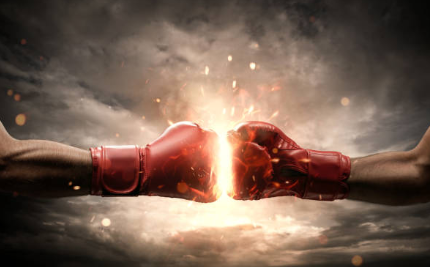
Mastering the Sweet Science: A Beginner’s Guide to Boxing
Boxing is often referred to as “The Sweet Science” because it requires a profound level of tactical intelligence, timing, and technical proficiency. It is not merely about brute force; it is about the efficient use of energy and the mastery of movement. For a beginner, the journey starts with the foundation: the stance and basic footwork.
The Foundational Stance and Movement
A proper boxing stance provides the balance necessary for both offense and defense. For a right-handed (orthodox) boxer, the left foot is placed forward, and the right foot is back, slightly offset to the right. The weight should be distributed evenly on the balls of the feet to allow for rapid movement. Footwork is the most critical aspect of boxing; “stepping and sliding” ensures that a boxer remains balanced while closing the distance or retreating from an opponent’s reach.
The Four Basic Punches
- The Jab: The most important punch in boxing. It is a straight lead-hand punch used to measure distance, distract the opponent, and set up power shots.
- The Cross: A powerful straight punch thrown with the rear hand. It utilizes the rotation of the hips and shoulders for maximum impact.
- The Hook: A semi-circular punch delivered with the lead or rear hand, targeting the side of the opponent’s head or body.
- The Uppercut: A vertical, rising punch thrown from the inside to penetrate an opponent’s guard.
Essential Equipment for Safety
| Equipment | Purpose | Recommendation |
|---|---|---|
| Hand Wraps | Protects small bones in the hand and supports the wrist. | 180-inch Mexican style wraps. |
| Gloves | Cushions impact for the wearer and the partner. | 12oz for bag work; 16oz for sparring. |
| Mouthguard | Prevents dental injuries and concussions. | Custom-fit boil-and-bite. |

Aquatic Fundamentals: Learning to Swim Quickly and Safely
Swimming is a life skill that provides a full-body workout with zero impact on the joints. However, for many beginners, the water can be an intimidating environment. Overcoming the fear of water and mastering buoyancy are the first steps toward becoming a proficient swimmer.
Overcoming Water Anxiety and Achieving Buoyancy
The primary hurdle for new swimmers is breathing. Unlike land-based exercise, swimming requires rhythmic breathing. Beginners should practice “blowing bubbles” by exhaling through the nose or mouth while the face is submerged. Achieving buoyancy involves relaxing the muscles; a tense body is more likely to sink. Practicing the “starfish float” on both the back and front helps the individual understand how their body interacts with water displacement.
Core Swimming Strokes for Beginners
While there are many competitive strokes, beginners should focus on the Freestyle (Front Crawl) and the Breaststroke. The Freestyle is the fastest and most efficient stroke, characterized by alternating arm movements and a flutter kick. The Breaststroke is often preferred for its stability and the ability to keep the head above water if necessary, utilizing a “frog kick” and a simultaneous circular arm sweep.

Precision and Strategy: The Art of Darts Throwing
Darts is a sport of extreme precision and psychological fortitude. While it may appear simple, the mechanics of a consistent throw require significant practice and an understanding of physics. Success in darts is found in the “reproducibility” of the throwing motion.
The Mechanics of the Perfect Throw
The throw is divided into three main components: the grip, the stance, and the release. The grip should be firm but not tight, typically using three or four fingers to balance the dart. The stance involves standing at the “oche” (the throw line) with the dominant foot forward, creating a stable base. The arm should move like a hinge, with the shoulder remaining still while the elbow and wrist drive the dart forward.
Strategic Scoring and Mental Focus
In a standard game of 501, strategy is as important as accuracy. Players must understand “checkouts”—the specific combinations of doubles and triples needed to reach exactly zero. Mentally, darts requires “tunnel vision.” Professional players use visualization techniques to block out external noise and focus entirely on a target that is only millimeters wide.

The Power of Leverage: Exploring Jujutsu and Ground Combat
Jujutsu, specifically Brazilian Jiu-Jitsu (BJJ), is a martial art centered on the concept that a smaller, weaker person can successfully defend against a bigger, stronger assailant by using proper technique and leverage. It is often called “human chess” due to the depth of its tactical transitions.
The Philosophy of ‘Softness’ Over Strength
In Jujutsu, “softness” does not mean weakness; it means flexibility and the redirection of force. Instead of meeting an opponent’s strength with equal force, a practitioner uses the opponent’s momentum against them. This is achieved through joint locks, chokeholds, and positional dominance.
Key Positions in Ground Combat
- The Guard: A defensive position where the practitioner is on their back but uses their legs to control the opponent.
- Side Control: A dominant pinning position where the practitioner is perpendicular to the opponent, chest-to-chest.
- The Mount: One of the most effective positions, where the practitioner sits on the opponent’s torso, controlling their hips and upper body.

Finding Balance: The Niche World of Unicycle Sports
Unicycling is a niche sport that challenges the limits of human balance and core strength. Unlike a bicycle, a unicycle has no freewheel; if the wheel moves, the pedals move. This direct-drive system requires constant micro-adjustments from the rider.
The Physics of Unicycling
To stay upright, a unicyclist must maintain their center of mass directly over the wheel’s contact patch with the ground. Balance is maintained in two directions: front-to-back (controlled by pedaling speed) and side-to-side (controlled by twisting the hips and using the arms for counter-balance). Learning to unicycle typically takes 10 to 15 hours of dedicated practice before a rider can travel 10 meters unassisted.

Ancient Traditions to Modern Trends: The Evolution of Archery
Archery has evolved from a survival necessity and a tool of warfare into a high-tech Olympic sport and a popular recreational activity. It combines physical discipline with a deep sense of historical connection.
The Shot Cycle and Technique
A consistent shot in archery is the result of a repeatable “shot cycle.” This includes the stance, nocking the arrow, the draw, the anchor point, and the release. The “anchor point”—a specific spot on the face where the hand touches at full draw—is vital for ensuring the same draw length and aim for every shot. Modern recurve and compound bows use advanced materials like carbon fiber and magnesium to increase stability and arrow velocity.

Strength and Self-Defense: The Benefits of Combat Sports
Combat sports encompass a wide range of activities, from wrestling and Muay Thai to Mixed Martial Arts (MMA). Beyond the physical conditioning, these sports offer unparalleled benefits in self-defense and emotional regulation.
Physical and Psychological Release
Training in combat sports allows individuals to release accumulated stress in a controlled, safe environment. The high-intensity interval training (HIIT) nature of these sports improves cardiovascular health, bone density, and reflexes. Psychologically, the discipline required to master complex techniques fosters a sense of self-confidence that carries over into everyday life.

Navigating the Streets: The Urban Cycling and Commuting Guide
Urban cycling is more than just a mode of transport; it is a movement toward sustainable, healthy living. However, cycling in a city environment presents unique challenges that require specific skills and gear.
Safety and Urban Navigation
The most important rule for urban cyclists is visibility. Using high-quality lights (front and rear) and reflective clothing is non-negotiable. Cyclists must also master “defensive riding,” which involves anticipating the movements of cars, pedestrians, and other cyclists. Understanding road positioning—knowing when to “take the lane” to prevent dangerous overtakes—is a key skill for city riding.
Essential Gear for the Urban Commuter
- Helmet: Must meet MIPS standards for rotational impact protection.
- Lock: A high-security U-lock or heavy-duty chain to deter theft.
- Panniers/Racks: To carry gear without causing a sweaty back from a backpack.
- Fenders: Essential for keeping clothes clean during wet weather commutes.
Frequently Asked Questions (FAQ)
- Q1: How long does it take to see progress in boxing?
- Progress in boxing is twofold. Physically, you will notice improved cardiovascular endurance within 3-4 weeks. Technically, it takes about 3 to 6 months of consistent training (3 times per week) to master the basic punches and feel comfortable with movement and defensive slips.
- Q2: Is jujutsu safe for older adults or those with no athletic background?
- Yes, jujutsu is highly adaptable. Because it focuses on leverage rather than explosive power, practitioners can train at their own pace. Most academies offer “fundamentals” classes specifically designed for beginners to learn safely without the intensity of high-level sparring.
- Q3: What is the best type of bow for a beginner in archery?
- A recurve bow is generally recommended for beginners. It is simpler than a compound bow and helps the archer develop a better “feel” for the shot and the muscle memory required for the shot cycle. Many clubs provide rental recurve bows for this purpose.
- Q4: How can I improve my balance for unicycling?
- Balance in unicycling is primarily a core and leg exercise. You can improve it off the unicycle by using balance boards or practicing yoga. On the unicycle, focus on keeping your weight on the saddle rather than the pedals; this lowers your center of gravity and makes the wheel easier to control.
- Q5: What are the primary safety tips for swimming in open water versus a pool?
- Open water swimming requires awareness of currents, water temperature, and visibility. Always wear a brightly colored swim buoy for visibility to boats, never swim alone, and research the local tides or currents before entering. In a pool, the main concerns are lane etiquette and avoiding collisions with other swimmers.