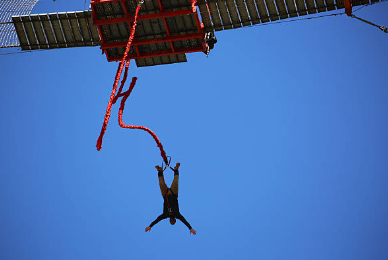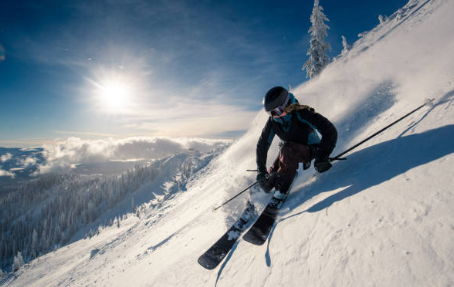
Rapid descent is more than just falling; it’s an art, a science, and an ultimate test of human capability against the relentless pull of gravity. Across various extreme sports, athletes push the boundaries of speed, control, and courage to navigate treacherous terrains and daunting heights at breathtaking velocities. This comprehensive guide delves into every facet of rapid descent, offering an in-depth look at the disciplines, the physics involved, the essential equipment, the rigorous training, and the paramount importance of safety. Whether you’re an aspiring enthusiast or simply curious about the world of lightning-speed challenges, prepare to explore the principles, history, and future of conquering the vertical world.
Understanding Rapid Descent: The Science of Speed and Gravity
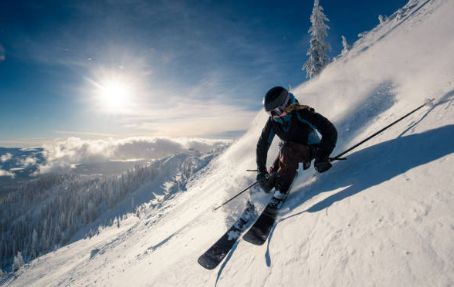
Rapid descent encompasses a broad spectrum of extreme activities where the primary goal is to cover vertical distance downwards at maximum possible speed, often requiring precise control and immense courage. From the sheer drops of wingsuit flying to the technical singletrack descents of mountain biking, the underlying principles are rooted in physics, biomechanics, and human psychology. Understanding these foundational elements is crucial to appreciating the complexity and allure of these challenges.
What is Rapid Descent? Defining the Thrill
At its core, rapid descent refers to any activity involving a swift downward movement, typically in a controlled (or semi-controlled) manner, often leveraging gravity for acceleration. The “thrill” emerges from the combination of high speed, exposure to height, and the constant need for precision and risk management. Disciplines include:
- **Downhill Mountain Biking:** Navigating steep, technical trails on specially designed bikes.
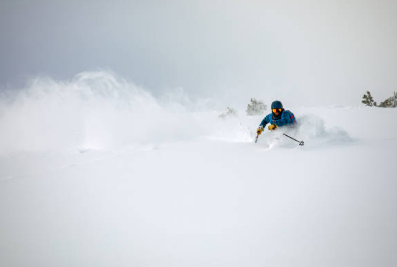
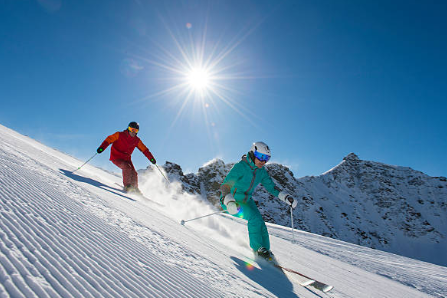
- **Speed Skiing:** Racing down exceptionally steep, prepared slopes to achieve maximum velocity.
- **Wingsuit Flying:** Gliding through the air after a jump from a high point, using a specialized suit to generate lift and horizontal movement.
- **Base Jumping (Freefall):** Jumping from fixed objects (buildings, antennae, spans, earth) and deploying a parachute after a period of freefall.
- **Canyoning/Rappelling:** Descending waterfalls and cliffs in gorges using ropes and specialized techniques.
Each discipline demands a unique skill set, specific equipment, and an unwavering mental focus to manage the inherent dangers and maximize performance.
The Physics Behind the Fall: Gravity, Drag, and Control
The fundamental force driving any rapid descent is gravity, which constantly accelerates objects towards the Earth at approximately 9.8 m/s². However, several other forces come into play, which athletes learn to manipulate:
- **Air Resistance (Drag):** As speed increases, so does air resistance, opposing the motion. Athletes minimize drag through aerodynamic body positions (e.g., speed ski tuck) or maximize it for control (e.g., wingsuit deployment, parachute).
- **Lift:** In disciplines like wingsuit flying, the suit’s design generates lift, allowing for horizontal flight paths and greater control over descent angle and speed.
- **Friction:** In sports like downhill biking or skiing, friction between tires/skis and the ground is critical for braking, steering, and maintaining traction.
- **Momentum and Inertia:** Understanding how mass and velocity interact is vital for anticipating trajectories, managing impacts, and executing turns effectively.
Mastering rapid descent means becoming an expert in applied physics, instinctively adjusting body position, equipment, and trajectory to achieve the desired outcome while battling or harnessing these forces.
A Brief History of Speed Descents
The desire for rapid descent is as old as humanity’s encounter with mountains and cliffs. Early forms were often practical, such as rappelling for exploration or survival. The modern era of speed-focused descents began to emerge with the advent of specialized equipment and a shift towards sportification.
- **Early Skiing:** While ancient, speed skiing as a competitive sport began to formalize in the late 19th and early 20th centuries, with records being meticulously tracked.
- **Mountaineering and Canyoning:** The development of robust ropes, harnesses, and belay devices in the mid-20th century revolutionized safe and controlled descents, opening doors for recreational and extreme canyoning.
- **Mountain Biking:** Evolved from adapted road bikes in the 1970s, downhill mountain biking quickly became a distinct discipline, driven by technological advancements in suspension and braking systems.
- **Skydiving and BASE Jumping:** The refinement of parachutes and jumping techniques in the mid-20th century laid the groundwork for modern freefall disciplines and the audacious sport of BASE jumping.
- **Wingsuit Flying:** A relatively recent innovation, wingsuit technology has seen rapid advancements since the late 1990s, transforming human flight and setting new benchmarks for aerial descent.
Each innovation in gear and technique has pushed the boundaries further, allowing athletes to achieve speeds and maneuvers once thought impossible, continually redefining what rapid descent means.
Essential Gear for Conquering Lightning Speed
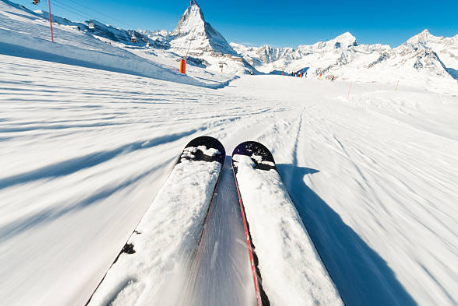
The pursuit of lightning-speed descents is inseparable from the specialized gear that makes these feats possible. From advanced materials to precision engineering, every piece of equipment plays a critical role in safety, performance, and control. Investing in the right gear and ensuring its proper maintenance is not just about enhancing performance; it’s about survival. This section breaks down the crucial components across various rapid descent disciplines.
Head-to-Toe Protection: Helmets, Suits, and Padding
Protection is paramount when hurtling downwards at high speeds. Impact forces can be immense, making robust protective gear non-negotiable.
- **Helmets:** Full-face helmets are standard in downhill biking and speed skiing, offering comprehensive protection against impacts and abrasions. They are often aerodynamically designed to reduce drag. In wingsuit flying and BASE jumping, specialized helmets protect against impacts and integrate communication systems.
- **Protective Suits:** Speed skiers wear form-fitting, aerodynamic suits made from specialized materials that minimize air resistance. Downhill mountain bikers use padded suits or armor vests, knee pads, and elbow pads to protect against falls and impacts with obstacles. Wingsuit flyers wear custom-fitted suits that provide the aerodynamic surface area needed for flight.
- **Gloves and Footwear:** Reinforced gloves offer grip and hand protection, while specialized footwear provides ankle support, grip on pedals (mountain biking), or stability in bindings (skiing).
Specialized Equipment: Brakes, Parachutes, Ropes, and Boards
Beyond personal protection, discipline-specific equipment is engineered for precise control and performance.
- **Braking Systems:** Downhill mountain bikes feature powerful hydraulic disc brakes with large rotors for maximum stopping power and heat dissipation. Speed skiers rely on their technique and the natural friction of the snow, sometimes aided by specialized ski designs.
- **Parachutes:** Essential for BASE jumping and wingsuit flying, these are highly technical pieces of equipment, requiring meticulous packing and maintenance. Main and reserve parachutes, along with automatic activation devices (AADs), form a critical safety net.
- **Ropes and Hardware:** For canyoning and rappelling, static ropes, descenders (e.g., figure-8, ATC), harnesses, carabiners, and anchor systems are vital for controlled descents. These must be regularly inspected for wear and tear.
- **Boards/Skis:** Downhill skis are longer and stiffer than recreational skis, designed for stability at extreme speeds. Downhill mountain bikes feature full suspension systems with long travel, slack geometry, and robust frames to absorb impacts and maintain control over rough terrain.
The Role of Technology: GPS, Communication, and Performance Tracking
Modern technology significantly enhances both safety and performance in rapid descent sports.
- **GPS and Altimeters:** Provide real-time data on speed, altitude, and location, crucial for navigation, tracking performance, and safety in remote areas.
- **Communication Systems:** Radios and Bluetooth devices integrated into helmets allow for vital communication between athletes and support teams, especially critical in wingsuit flying formations or complex BASE jumps.
- **Action Cameras:** High-definition cameras capture invaluable footage for post-analysis, training, and sharing the experience, often mounted directly on helmets or gear.
- **Performance Trackers:** Wearable devices and specialized sensors collect data on heart rate, G-forces, air speed, and more, enabling athletes to analyze and optimize their performance.
Technical Checklist for Rapid Descent Gear
- Helmet: Full-face, impact-rated, appropriate for discipline.
- Protective Suit/Armor: Body armor, knee/elbow pads, spine protector.
- Gloves: Reinforced, good grip.
- Footwear: Discipline-specific, good ankle support.
-
Discipline-Specific Equipment:
- Mountain Biking: Full-suspension bike, hydraulic disc brakes, proper tires.
- Skiing: Downhill skis, bindings, poles.
- Skydiving/BASE: Main & reserve parachutes, harness, AAD.
- Canyoning/Rappelling: Static rope, harness, descender, carabiners, slings.
- Navigation/Communication: GPS device, altimeter, two-way radio/comm system.
- Emergency Kit: First-aid, repair kit, whistle, emergency beacon.
Mastering the Art of Rapid Descent: Techniques and Training
Beyond the thrill, rapid descent is an art form demanding years of dedicated practice, precise technique, and unwavering mental discipline. It’s not enough to have the best gear; athletes must hone their bodies and minds to react instantaneously, control complex movements, and make split-second decisions under immense pressure. This section explores the core principles, rigorous training regimens, and advanced strategies that define mastery in these lightning-speed challenges.
Core Principles: Balance, Aerodynamics, and Control
Despite the diversity of rapid descent sports, several universal principles underpin successful execution:
- **Balance and Body Position:** Maintaining a stable center of gravity is crucial. In skiing and biking, a low, aggressive stance enhances stability and control. In wingsuit flying, precise body adjustments dictate flight path and speed. The ability to shift weight and adjust posture instantly is a hallmark of an expert.
- **Aerodynamics:** Minimizing air resistance is key to achieving maximum speed. Speed skiers adopt a “tuck” position, and wingsuit flyers streamline their bodies. Conversely, increasing drag (e.g., braking on a bike, flaring a wingsuit) is essential for slowing down or changing trajectory.
- **Control and Precision:** Whether it’s feathering brakes on a mountain bike, carving turns on skis, or manipulating a wingsuit’s surface, precise control is paramount. This involves finely tuned motor skills and an intuitive understanding of how small movements translate into significant changes at high speeds.
- **Line Choice:** In disciplines involving terrain (biking, skiing), choosing the optimal line—the most efficient and fastest path—requires advanced foresight, terrain reading skills, and the ability to adapt to changing conditions.
Training Regimens: Physical Conditioning and Mental Fortitude
The demands of rapid descent require a holistic training approach that addresses both physical and psychological aspects.
-
**Physical Conditioning:**
- **Strength Training:** Focus on core strength, leg power, and upper body endurance to absorb impacts, maintain control, and handle equipment.
- **Cardiovascular Endurance:** High-intensity efforts and rapid heart rate changes require a strong cardiovascular system.
- **Flexibility and Mobility:** Essential for maintaining optimal body positions and preventing injuries.
- **Reaction Time and Agility:** Drills to improve quick reflexes and the ability to change direction or adjust body position rapidly.
-
**Mental Fortitude:**
- **Visualization:** Mentally rehearsing descents helps build confidence and pre-program responses.
- **Focus and Concentration:** Training to maintain intense focus for extended periods, blocking out distractions and managing adrenaline.
- **Risk Assessment:** Developing a rational approach to evaluating risks and making calculated decisions, rather than succumbing to fear or overconfidence.
- **Resilience:** The ability to recover from mistakes, learn from failures, and maintain composure under pressure.
Advanced Maneuvers and Strategies for Speed Optimization
Once the basics are mastered, athletes explore advanced techniques to shave off milliseconds and execute breathtaking maneuvers.
- **Cornering Techniques:** In biking and skiing, mastering high-speed turns, berms, and off-camber sections is crucial. This involves precise weight distribution, lean angles, and brake modulation.
- **Jumps and Drops:** Learning to absorb impacts, maintain speed over gaps, and land smoothly is vital for maintaining flow and momentum.
- **Aerodynamic Tucks and Body Shaping:** Speed skiers obsess over the perfect tuck, minimizing every millimeter of frontal area. Wingsuit flyers constantly adjust their body shape to fine-tune their glide ratio and speed.
- **Reading the Terrain/Air:** Developing an intuitive sense of how the terrain or air currents will affect speed and trajectory, allowing for proactive adjustments rather than reactive ones.
Pro Tips for Rapid Descent Mastery
- Start Small, Progress Gradually: Never attempt challenges beyond your current skill level. Build confidence and competence incrementally.
- Learn from the Best: Seek out experienced mentors, coaches, or certified instructors. Their insights are invaluable.
- Analyze Your Runs: Use video footage to critically review your technique, identify areas for improvement, and track progress.
- Know Your Gear Inside Out: Understand how every component of your equipment functions and how to adjust it for optimal performance and safety.
- Master the Mental Game: Practice mindfulness, visualization, and stress management techniques. A calm mind makes better decisions.
- Respect the Environment: Always be aware of weather conditions, terrain changes, and potential hazards. Nature dictates the rules.
Safety First: Mitigating Risks in High-Speed Environments
While the allure of rapid descent lies in its inherent risks and the challenge of overcoming them, safety should always be the primary concern. The consequences of error at high speeds are severe, making meticulous planning, robust safety protocols, and a deep understanding of potential hazards absolutely essential. This section outlines critical steps to mitigate risks and ensure that the pursuit of speed remains exhilarating, not reckless.
Pre-Descent Checks and Planning
Thorough preparation is the bedrock of safe rapid descent. Never skip these vital steps:
- **Gear Inspection:** Before every descent, meticulously check all equipment for wear, damage, or malfunction. This includes helmets, harnesses, ropes, brakes, tires, and parachute systems. A single faulty component can have catastrophic consequences.
- **Route Assessment/Site Survey:** For terrain-based sports, scout the route for obstacles, changes in surface conditions, and potential hazards. For aerial sports, thoroughly assess the jump site, exit point, and landing area. Understand wind patterns, clear zones, and potential emergency landing spots.
- **Weather Conditions:** Always check current and forecasted weather. High winds, rain, snow, or fog can drastically alter conditions and increase risk, making a planned descent unsafe. Be prepared to postpone or cancel if conditions are unfavorable.
- **Team Coordination and Communication:** If descending with a group or support team, establish clear communication protocols. Discuss the plan, potential hazards, and emergency procedures. Ensure everyone knows their role and responsibilities.
- **Personal Readiness:** Assess your own physical and mental state. Fatigue, illness, or emotional distress can impair judgment and reaction time. Never descend if you are not feeling 100%.
Emergency Protocols and Rescue Readiness
Even with the best planning, emergencies can happen. Being prepared for the worst is a critical aspect of safety.
- **First Aid Knowledge:** All participants should have basic first aid training, and a well-stocked first aid kit should always be accessible.
- **Emergency Communication:** Carry devices for emergency communication (satellite phone, personal locator beacon, fully charged mobile phone) and know how to use them. Ensure someone not on the descent knows your plan and expected return time.
- **Self-Rescue Techniques:** For rope-based sports, learn self-rescue techniques. For aerial sports, understand emergency parachute procedures and how to handle malfunctions.
- **Access to Professional Rescue:** Know how to contact local emergency services and provide clear, concise information about your location and the nature of the emergency.
Common Pitfalls and How to Avoid Them
Many accidents stem from common errors in judgment or preparation.
- **Overconfidence/Complacency:** Believing you are invincible or that rules don’t apply to you. Always maintain a healthy respect for the risks involved.
- **Peer Pressure:** Never let others push you into attempting something you’re not comfortable with or prepared for.
- **Inadequate Training:** Attempting advanced maneuvers or difficult routes without sufficient skill and practice.
- **Equipment Malfunction/Neglect:** Failing to inspect and maintain gear, or using worn-out or inappropriate equipment.
- **Environmental Underestimation:** Misjudging weather, terrain, or the true difficulty of a route.
Rapid Descent Disciplines: Risk vs. Reward
| Discipline | Primary Risk Factors | Typical Speed Range (Approx.) | Primary Rewards |
|---|---|---|---|
| Downhill Mountain Biking | Falls, impacts with obstacles, equipment failure, terrain hazards | 30-80 km/h (18-50 mph) | Technical mastery, flow state, adrenaline, nature immersion |
| Speed Skiing | High-speed impacts, loss of control, equipment failure | 150-250+ km/h (90-155+ mph) | Raw speed, pushing human limits, precision |
| Wingsuit Flying | Impact with terrain/objects, parachute malfunction, misjudgment | 150-250+ km/h (90-155+ mph) horizontal | Human flight, unique perspective, ultimate freedom |
| BASE Jumping | Impact with object, parachute malfunction, misjudgment, short deployment time | 180-200 km/h (110-125 mph) freefall | Intense adrenaline, conquering fear, ultimate control |
| Canyoning/Rappelling | Falls, rockfall, drowning, hypothermia, rope failure | Controlled, variable | Exploration, natural beauty, teamwork, technical challenge |
The Future of Rapid Descent: Innovation and Exploration
The world of rapid descent is in a constant state of evolution, driven by human ingenuity, technological advancements, and an insatiable appetite for exploration. As materials science progresses and digital tools become more sophisticated, the boundaries of what’s possible continue to expand, promising an even more thrilling and perhaps safer future for these extreme sports.
Emerging Technologies and Gear Advancements
The next generation of rapid descent gear will likely feature:
- **Smart Materials:** Lighter, stronger, and more flexible materials for protective gear and equipment, offering enhanced performance and comfort without compromising safety.
- **Integrated Electronics:** Helmets with built-in HUDs (Head-Up Displays) for real-time data, advanced communication systems, and biometric sensors to monitor an athlete’s physical state.
- **AI-Powered Analytics:** Machine learning algorithms analyzing performance data from multiple descents to provide highly personalized training insights and technique optimizations.
- **Advanced Aerodynamics:** Further refinement of wingsuit designs, bike frames, and ski geometries through computational fluid dynamics (CFD) to maximize speed and control.
- **Autonomous Safety Systems:** Potentially even more advanced AADs for parachutes, or intelligent braking systems for bikes that react faster than human reflexes in critical situations.
New Frontiers: Untouched Peaks and Urban Challenges
The spirit of exploration will continue to drive athletes to seek out new challenges:
- **Remote and Uncharted Terrains:** Expeditions to descent previously unridden mountains, unexplored canyons, or untouched cliff faces in the most remote corners of the globe.
- **Urban Rapid Descent:** As cities grow, so too do the opportunities for unique urban descents, from controlled rappels down skyscrapers to highly technical parkour-influenced descents. This area presents unique challenges related to legality and public perception.
- **Interdisciplinary Blending:** The fusion of different rapid descent sports, creating hybrid challenges that demand an even broader skill set and innovative equipment.
The Evolving Spirit of Adventure
Beyond technology and new locations, the core philosophy of rapid descent will continue to evolve. There will be an ongoing dialogue about balancing risk with reward, promoting sustainability in natural environments, and fostering a culture of mentorship and shared knowledge. The essence of conquering fear, pushing personal limits, and finding profound connection with gravity and nature will remain at the heart of these lightning-speed challenges.
Frequently Asked Questions (FAQ)
- What’s the difference between rapid descent and freefalling?
- Freefalling is a component of some rapid descent sports (like BASE jumping or skydiving) where gravity is the primary force and there’s minimal aerodynamic control beyond body position. Rapid descent is a broader term encompassing any swift downward movement, which can include controlled descents using equipment (e.g., downhill biking, speed skiing, rappelling) where forces like friction and lift are actively manipulated, not just gravity.
- Is rapid descent only for professional athletes?
- While many rapid descent disciplines are highly extreme and dominated by professionals, there are entry points for enthusiasts. Sports like downhill mountain biking and canyoning have beginner-friendly trails and guided tours. The key is to start with proper instruction, suitable gear, and gradually progress your skills and challenge levels. Never attempt extreme descents without extensive training and experience.
- How do rapid descent athletes manage fear?
- Managing fear is crucial. Athletes develop mental fortitude through rigorous training, visualization, and systematic exposure to increasing levels of challenge. They learn to differentiate between rational fear (which prompts caution) and irrational fear (which paralyzes). Focus on preparation, trust in their training and gear, and a deep understanding of the risks helps them channel adrenaline into performance rather than panic.
- What are the most common injuries in rapid descent sports?
- Due to the high speeds and potential for impact, common injuries include fractures (limbs, collarbones), concussions, sprains, dislocations, and abrasions. More severe, though less frequent, injuries can include spinal trauma or internal injuries. This underscores the critical importance of proper protective gear, skill development, and adherence to safety protocols.
- How can I get started in a rapid descent sport safely?
- The safest way to start is by seeking professional instruction. For downhill mountain biking, find a certified coach or bike park with rental gear and beginner trails. For canyoning or rappelling, join a guided tour with experienced outfitters. For aerial sports like skydiving or wingsuit flying, begin with tandem jumps and certified courses. Always prioritize learning from experts and never attempt these activities alone or without proper training.