Surfing, often hailed as the ultimate sport of dancing on the waves, represents more than just a physical activity; it’s a profound connection with the ocean’s raw power and rhythm. From the ancient Polynesian art of “He’e Nalu” to its modern evolution into a global phenomenon, surfing captivates with its blend of athleticism, artistry, and adrenaline. This comprehensive guide serves as your definitive resource, dissecting the core elements of wave riding, exploring diverse disciplines, detailing crucial safety measures, and charting a course through the world’s most coveted surf breaks. Whether you’re a curious beginner or an experienced enthusiast seeking deeper insights, prepare to immerse yourself in the vibrant culture and intricate science behind this exhilarating extreme sport.
Understanding the Core of Surfing: Waves, Boards, and Basics
At its heart, surfing is about harnessing the energy of ocean waves to propel oneself across the water’s surface. This seemingly simple act is underpinned by complex hydrodynamics and requires a foundational understanding of both the environment and equipment. The interaction between swell, wind, and seabed topography creates the diverse array of waves that surfers seek, each offering a unique challenge and reward. Mastering the basics involves more than just physical prowess; it demands patience, observation, and respect for the ocean.
The Anatomy of a Wave: From Swell to Break
Waves are the lifeblood of surfing, and understanding their formation and behavior is paramount. Ocean waves originate from distant storms, generating what is known as swell. This energy travels across vast distances, often thousands of miles, as deep-water waves. As these waves approach shallower coastal waters, the seafloor interferes with their motion, causing them to slow down, increase in height, and eventually “break.” The type of break—whether it’s a beach break, point break, or reef break—significantly influences the wave’s shape, power, and suitability for surfing.
- Swell: The initial energy generated by wind over open water, traveling in organized sets.
- Fetch: The distance over which wind blows consistently to generate swell. Longer fetch often means larger, more powerful waves.
- Peak: The highest point of a breaking wave, where the water is steepest.
- Shoulder: The unbroken part of the wave adjacent to the peak, offering a rideable surface.
- Barrel/Tube: A hollow section of the wave that forms when the lip pitches over, creating a tunnel. Riding the barrel is considered the pinnacle of surfing skill.
- Lineup: The area just outside where waves are breaking, where surfers wait for their turn.
Essential Surfing Gear: Your Connection to the Wave
While the image of a surfer often conjures a board and nothing more, a range of equipment is crucial for safety, performance, and comfort. The surfboard itself is the primary tool, but wetsuits, leashes, and wax all play vital roles in the surfing experience.
- Surfboard: Available in various shapes and sizes, each designed for different wave conditions and skill levels.
- Longboards: Longer, wider, and thicker, offering stability and ease of paddling, ideal for beginners and smaller waves.
- Shortboards: Shorter, narrower, and thinner, designed for agility, speed, and advanced maneuvers in more powerful waves.
- Funboards/Hybrids: A compromise between longboards and shortboards, offering versatility.
- Foamboards (Soft-tops): Excellent for learning due to their buoyancy and soft, forgiving construction.
- Wetsuit: Provides thermal insulation in cold water, allowing surfers to extend their time in the ocean. Thickness varies based on water temperature.
- Leash: A cord connecting the surfboard to the surfer’s ankle or calf, preventing the board from being swept away after a wipeout and acting as a crucial safety device.
- Surf Wax: Applied to the deck of the surfboard to provide grip and prevent slipping.
- Fins: Attached to the underside of the board, providing direction, stability, and drive. Fin setups vary (single fin, twin fin, thruster, quad).
First Steps: Basic Techniques for Aspiring Surfers
Learning to surf is a journey that begins with fundamental techniques, gradually building confidence and skill. Consistency and practice are far more important than raw talent.
- Paddling: Efficient paddling is essential for catching waves and navigating the lineup. It requires strong upper body and core strength, focusing on long, deep strokes.
- Catching a Wave: Timing is everything. Paddling into a wave requires aligning with its energy and matching its speed as it begins to lift the board.
- The Pop-Up: The critical maneuver of quickly transitioning from lying on the board to standing up in one fluid motion. This involves placing feet correctly for balance and control.
- Stance: Regular (left foot forward) or goofy (right foot forward), determined by which foot feels more natural in front.
- Maintaining Balance: Once standing, balance is achieved through slight knee bends, arm movements, and shifting weight to control the board’s direction and speed.
- Riding Straight: For beginners, the initial goal is to ride straight towards the beach, getting a feel for the board’s movement on the wave.
Exploring Diverse Surfing Disciplines: From Traditional to Hydrofoil and Windsurfing
While traditional surfing on a solid board remains immensely popular, the world of wave riding has expanded significantly, embracing new technologies and techniques. These diverse disciplines offer unique sensations and challenges, catering to different preferences, skill levels, and even wave conditions. Understanding these variations enriches the overall appreciation for the sport and opens doors to new aquatic adventures.
Hydrofoil Surfing: The Art of Flying Above Water
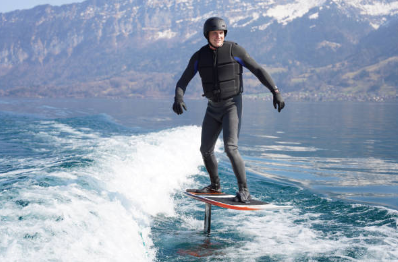
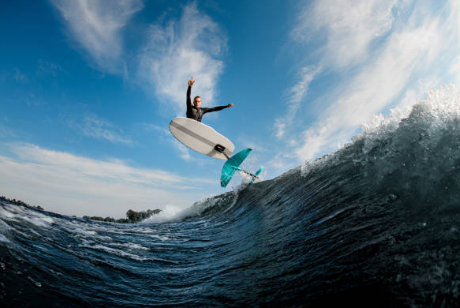
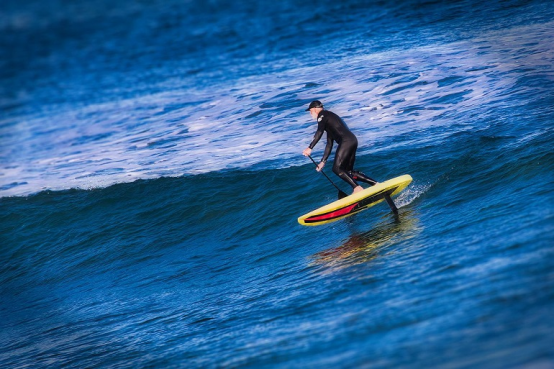
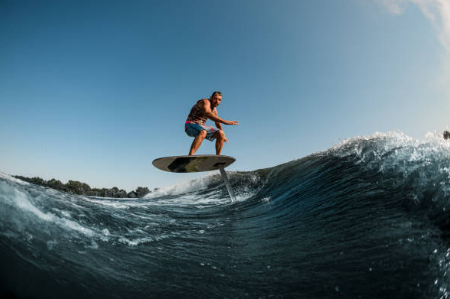
Hydrofoil surfing represents a revolutionary leap in wave riding, offering a sensation of “flying” above the water’s surface. Unlike traditional surfing where the board glides *on* the water, a hydrofoil board features a mast and a wing-like foil extending beneath it. As the board gains speed, the foil generates lift, elevating the board and rider several feet above the water. This dramatically reduces drag, allowing for incredible speed and the ability to ride even the smallest bumps of swell that would be unrideable on a conventional surfboard.
- Mechanism: The hydrofoil functions on the same principles as an airplane wing. Water flowing over the curved surface of the foil creates a pressure differential, generating lift.
- Benefits:
- Reduced Drag: Enables higher speeds and effortless gliding.
- Small Wave Capability: Can ride tiny swells, boat wakes, or even flat water when towed or pumped.
- Unique Sensation: Offers a smooth, silent, and elevated ride distinct from traditional surfing.
- New Perspectives: Opens up new spots previously considered unsurfable.
- Equipment: Consists of a board (often shorter and thicker), a mast (connecting the board to the foil), and the hydrofoil wing itself (composed of a front wing and a stabilizer).
- Learning Curve: Hydrofoil surfing has a steep learning curve due to the heightened balance required and the different dynamics of riding above the water. Initial attempts often involve being towed by a boat or jet ski.
The experience of hydrofoil surfing is often described as surreal, a quiet glide that transcends the usual interaction with the wave’s face. It’s a testament to innovation, pushing the boundaries of what’s possible in water sports and creating a new frontier for wave enthusiasts.
Windsurfing: Harnessing the Wind and Waves
Windsurfing combines elements of sailing and surfing, allowing riders to gallop on the sea breeze and waves using a board equipped with a sail. This dynamic sport offers incredible speed, agility, and the freedom to explore vast stretches of water, powered solely by the wind. Windsurfing can range from tranquil cruising on flat water to high-octane wave riding in powerful ocean swells.
- Equipment:
- Board: Specifically designed windsurf boards vary in size and shape depending on the conditions and rider’s skill level. Larger boards (longboards) are stable for beginners, while smaller, more maneuverable boards (shortboards) are used for advanced wave riding and freestyle.
- Rig: Comprises the sail, mast, boom, and universal joint. The sail captures the wind, the mast supports it, the boom allows the rider to hold and steer, and the universal joint connects the rig to the board, allowing 360-degree rotation.
- Technique: Requires coordination between balancing on the board, steering the sail to catch the wind, and using the body to control direction and speed. Key maneuvers include uphauling (pulling the sail out of the water), planing (gliding on the water’s surface at high speed), and jibing/tacking (turning the board).
- Conditions: Windsurfing thrives in locations with consistent wind. Different wind strengths and wave types dictate the choice of equipment and the style of windsurfing (e.g., slalom, freestyle, wave riding).
The feeling of acceleration as the wind fills the sail and propels the board across the water is uniquely exhilarating. Windsurfing offers a profound sense of freedom, allowing riders to explore coastlines and open waters with an unmatched blend of power and grace.
Other Dynamic Water Sports: Kiteboarding and Stand-Up Paddleboarding
While hydrofoiling and windsurfing are prominent, other disciplines further diversify the wave-riding spectrum. Kiteboarding, for instance, uses a large kite to pull the rider across the water on a board, combining elements of surfing, wakeboarding, and paragliding. It offers incredible jumps and aerial maneuvers. Stand-Up Paddleboarding (SUP), while often a calm recreational activity, also includes a surfing component where riders use a paddle to catch and ride waves on larger, more stable boards, offering a different perspective and entry point to wave riding.
Mastering Wave Riding: Advanced Techniques and Critical Safety Measures
Moving beyond the basics of paddling and pop-ups, the journey to becoming a proficient surfer involves developing a nuanced understanding of wave dynamics, refining advanced maneuvers, and, most importantly, prioritizing safety. The ocean is a powerful and unpredictable environment, and a deep respect for its forces, combined with proper safety protocols, is non-negotiable for a rewarding and secure surfing experience. Mastery in surfing is as much about reading the ocean as it is about physical execution.
Reading the Ocean: Tides, Currents, and Swell Direction
An experienced surfer can “read” the ocean, anticipating wave behavior and identifying potential hazards. This skill is developed through years of observation and understanding the interplay of various natural forces.
- Tides: The rise and fall of sea levels significantly impact wave quality. Different spots perform better at high tide, low tide, or mid-tide, affecting wave shape, power, and access to the break.
- Currents: Water moving parallel to the shore (longshore currents) or perpendicular (rip currents) can either assist or hinder a surfer.
- Rip Currents: Strong, narrow channels of water flowing rapidly away from the shore. They are a major hazard but can also be used by experienced surfers to quickly reach the lineup. Knowing how to identify and escape a rip current is crucial for safety.
- Swell Direction and Period: The direction from which the swell approaches the coast, combined with the time between successive wave crests (period), determines how waves will interact with the local bathymetry and break. Longer period swells generally produce more powerful, organized waves.
- Wind: Offshore winds (blowing from land to sea) groom waves, making them cleaner and more hollow. Onshore winds (blowing from sea to land) create choppy, disorganized waves. Cross-shore winds can create textured, less predictable conditions.
Understanding these elements allows surfers to choose the right spot, the right time, and the right approach to maximize their ride time and minimize risk.
Advanced Maneuvers: Elevating Your Surfing Performance
Once comfortable with basic riding, surfers begin to explore a repertoire of maneuvers that add style, speed, and excitement to their rides. These techniques require precise timing, balance, and an intimate understanding of the wave’s energy.
- Bottom Turn: The foundational advanced maneuver, executed at the bottom of the wave to generate speed and set up for subsequent turns on the wave face. It’s a critical moment for directing the board.
- Cutback: A turn back towards the breaking part of the wave, allowing the surfer to maintain speed and stay in the “power pocket” of the wave. Essential for connecting sections.
- Re-entry: Hitting the lip (top) of the breaking wave and driving back down the face. A dynamic, high-performance maneuver.
- Floater: Riding along the top of a breaking or whitewater section of the wave.
- Tube Riding (Barreling): The most coveted maneuver, involving riding inside the hollow cylinder of a breaking wave. Requires exceptional skill, timing, and courage.
- Aerials: Launching the board and oneself into the air off the lip of the wave, performing tricks before landing back on the wave face.
Each maneuver builds upon the previous, demanding a deeper connection with the wave and a greater command over the surfboard.
Crucial Safety Guidelines and Emergency Preparedness
Safety in surfing is paramount. The ocean, while beautiful, harbors inherent risks that must be respected. Adhering to safety protocols and being prepared for emergencies can prevent serious incidents.
- Always Use a Leash: Your leash is your lifeline, keeping your board attached to you. Losing your board can be dangerous for you and other surfers, especially in crowded conditions or strong currents.
- Know Your Limits: Do not paddle out into conditions that exceed your skill level. Start small and gradually challenge yourself.
- Never Surf Alone: Whenever possible, surf with a buddy. In an emergency, having someone else present can be life-saving.
- Observe and Assess: Before entering the water, spend time watching the waves, observing where they break, identifying currents, and noting where other surfers are. Look for potential hazards like rocks or shallow areas.
- Understand Rip Currents: If caught in a rip, do not panic and do not fight against it. Paddle parallel to the shore until you are out of the current, then paddle towards the beach. Alternatively, float and conserve energy until the current weakens or you can signal for help.
- Surf Etiquette: Understand and follow the unwritten rules of the lineup to ensure safety and harmony. This includes respecting the “right of way” (the surfer closest to the peak has priority) and not “dropping in” on another surfer’s wave.
- Protect Your Head: In powerful waves, especially over shallow reefs, protecting your head during a wipeout can prevent serious injuries.
- First Aid Knowledge: Basic first aid and CPR knowledge can be invaluable in a surf emergency.
By integrating advanced techniques with a strong safety mindset, surfers can enjoy the ocean’s thrills responsibly and sustainably.
Discovering the World’s Premier Surfing Destinations and Their Unique Charms
The quest for the perfect wave has led surfers to scour the globe, uncovering breathtaking coastlines and legendary breaks. From the powerful tubes of Hawaii to the consistent swells of Australia and the exotic allure of Central America, the world offers an astonishing array of surfing destinations. Each spot possesses its own unique characteristics, appealing to different skill levels and offering distinct cultural experiences. Exploring these global paradises is an integral part of the surfing lifestyle, promising unforgettable adventures and encounters with diverse wave formations.
Characteristics of World-Class Surfing Spots
What makes a surfing spot truly world-class? It’s a combination of consistent swell, favorable wind conditions, ideal bathymetry, and often, a vibrant local surf culture. The best locations frequently benefit from deep ocean trenches that funnel swell energy towards specific coastal features, creating perfectly formed, rideable waves.
- Consistent Swell: Regular exposure to ocean swells, ensuring frequent surfable days.
- Favorable Winds: Offshore winds that groom waves, creating clean, hollow conditions.
- Ideal Bathymetry: The underwater topography (reef, sandbar, point) that shapes the incoming swell into breaking waves.
- Wave Quality: The shape, power, and length of the rideable wave.
- Accessibility and Infrastructure: Ease of access, accommodation, surf shops, and medical facilities.
- Local Culture: A welcoming and respectful local surf community, often with a rich history connected to the ocean.
Iconic Beaches and Their Unique Challenges
The following table highlights some of the top surfing sites worldwide, detailing their key characteristics and what makes them stand out:
| Destination | Location | Key Characteristics | Best For |
|---|---|---|---|
| Pipeline (Banzai Pipeline) | Oahu, Hawaii, USA | World-renowned, extremely powerful, hollow left-hand reef break. Iconic barrels. | Expert surfers only. Big wave riding. |
| Teahupo’o | Tahiti, French Polynesia | Heavy, thick, glass-like left-hand reef break. Known for its perfect, terrifying barrels. | Elite, experienced surfers. Big wave charging. |
| Bells Beach | Victoria, Australia | Powerful, consistent right-hand point break. Home to the Rip Curl Pro, a historic surf contest. | Intermediate to advanced surfers. |
| Jeffrey’s Bay (J-Bay) | Eastern Cape, South Africa | One of the world’s best right-hand point breaks. Long, fast, and highly maneuverable waves. | Advanced surfers. Performance surfing. |
| Nazare | Portugal | Famous for monstrous big waves, particularly during winter. Generated by a deep underwater canyon. | Big wave tow-in surfing (experts only). |
| Trestles (Lower Trestles) | San Clemente, California, USA | World-class cobblestone point break. Consistent, peaky, and highly rippable A-frame waves. | Intermediate to professional surfers. |
| Cloudbreak | Fiji | Powerful, fast, and hollow left-hand reef break. Offers consistent barrels. | Advanced to expert surfers. |
| Hossegor | Aquitaine, France | Punchy, powerful beach breaks with impressive barrels, especially during autumn swells. | Intermediate to advanced surfers. |
| Mundaka | Basque Country, Spain | Legendary, incredibly long and hollow left-hand rivermouth wave. Highly dependent on specific swell. | Advanced surfers. |
| Shipwrecks (Lombok) | Indonesia | A classic right-hand reef break, offering consistent, fun, and often barreling waves. | Intermediate to advanced surfers. |
This list merely scratches the surface of the thousands of incredible surf spots globally, each offering a unique interaction with the ocean’s power and beauty.
Planning Your Ultimate Surf Trip
Embarking on a surf trip requires careful planning to maximize your chances of scoring good waves and enjoying the experience. Considerations include the best time of year for swells, local regulations, and cultural nuances.
- Research Swell Seasons: Different regions have distinct swell seasons. For example, Hawaii’s north shore thrives in winter, while Indonesia is best in its dry season.
- Consider Skill Level: Choose a destination that matches your surfing ability. Beginners should seek out mellow, forgiving waves, while experts might chase heavy barrels.
- Logistics: Factor in travel, accommodation, board rentals, and local transportation. Many surf camps offer all-inclusive packages.
- Local Etiquette: Always be respectful of local surfers and their customs. Understand the lineup rules and avoid overcrowding.
- Health and Safety: Check for necessary vaccinations, travel insurance, and awareness of local hazards (e.g., marine life, political stability).
With careful preparation, a surf trip can be an incredibly enriching experience, connecting you with nature, new cultures, and the global surfing community.
Surfing is more than just a sport; it’s a lifestyle, a philosophy, and an endless pursuit of harmony with the ocean. From the first wobbly pop-up to the exhilarating rush of a perfect barrel, every moment spent on a wave is a testament to human resilience and the profound beauty of nature. Embracing the diverse disciplines, respecting the ocean’s power through stringent safety measures, and exploring the world’s myriad surf breaks all contribute to a holistic and deeply rewarding experience. Whether you’re drawn to the meditative glide of a longboard, the aerial prowess of a shortboard, or the futuristic flight of a hydrofoil, the waves await. Dive in, learn, grow, and become one with the endless rhythm of the sea.
Frequently Asked Questions (FAQ)
- Q1: What is hydrofoil surfing and how is it different from traditional surfing?
- Hydrofoil surfing involves a board with a mast and a wing-like foil extending beneath it. As the board gains speed, the foil generates lift, causing the board and rider to rise above the water’s surface. This significantly reduces drag, allowing for higher speeds and the ability to ride smaller waves or even flat water when pumped. Traditional surfing involves the board gliding directly on the water’s surface, relying on the wave’s energy to propel it forward.
- Q2: What are the most important safety rules to follow when surfing?
- Key safety rules include always using a leash to keep your board attached, never surfing in conditions beyond your skill level, avoiding surfing alone, and learning to identify and escape rip currents by paddling parallel to the shore. Additionally, understanding and respecting surf etiquette (like right-of-way) is crucial to prevent collisions and maintain a safe environment for everyone in the lineup.
- Q3: How do I know which surfboard is right for me as a beginner?
- For beginners, larger, wider, and thicker boards (like foam boards or longboards) are highly recommended. Their increased buoyancy and stability make paddling easier, help with catching waves, and provide a more forgiving platform for learning the pop-up. As you progress, you can gradually transition to smaller, more performance-oriented boards.
- Q4: What role do tides and wind play in wave quality for surfing?
- Tides significantly impact wave shape and power; some spots work best at high tide, others at low tide. Wind direction is also crucial: offshore winds (blowing from land to sea) create clean, groomed, and often hollow waves, while onshore winds (blowing from sea to land) result in choppy, disorganized conditions. Understanding these factors helps surfers choose the best time and location to surf.
- Q5: Can I learn to surf at any age?
- Absolutely! Surfing is a sport that can be enjoyed by people of all ages. While younger individuals might pick up the physical aspects faster, older learners often benefit from greater patience and persistence. Many surf schools cater to adults and seniors, emphasizing safety and foundational techniques. The key is starting with appropriate equipment and taking lessons from qualified instructors.