The Evolution of Skiing: From Survival to Extreme Sport
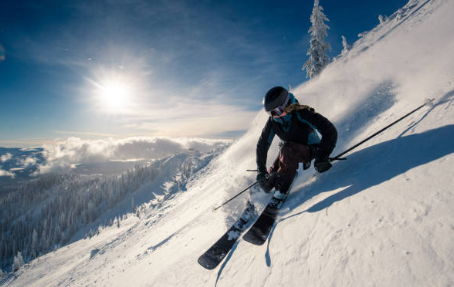
Skiing is much more than a recreational winter activity; it is a profound blend of human endurance, physics, and an innate desire for speed. Originally developed millennia ago in the snow-covered landscapes of Scandinavia and Asia as a vital means of winter transportation and hunting, skiing has undergone a massive transformation. Today, it stands as a premier global extreme sport that tests the limits of human agility and courage.
Understanding the historical context of skiing helps modern enthusiasts appreciate the technological and athletic advancements of the sport. The transition from wooden planks tied with leather straps to highly engineered fiberglass and carbon-fiber skis represents centuries of innovation. This evolution has allowed skiers to carve down steep mountainsides with unprecedented precision, turning a survival necessity into a passionate pursuit of adrenaline.
Essential Skiing Gear: Your Armor for the Slopes
Before you can experience the true speed and passion of the snowcourse, you must equip yourself properly. Skiing gear acts as your armor against freezing temperatures and your primary interface with the mountain. Selecting the right equipment is not just about comfort; it is a critical safety measure and a definitive factor in your overall performance.
Understanding Your Equipment
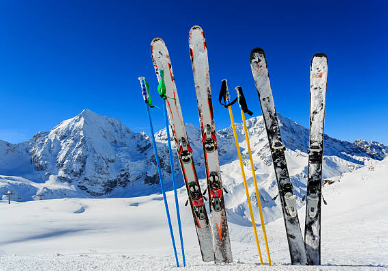
The core of your skiing setup includes skis, boots, bindings, and poles. Boots are arguably the most important component, as they dictate the transfer of energy from your legs to your skis. A poorly fitted boot can result in a lack of control and severe discomfort. Bindings serve as the critical safety link, designed to release your boot during a fall to prevent catastrophic knee injuries.
| Ski Type | Best Terrain | Key Characteristics |
|---|---|---|
| All-Mountain | Groomed runs and light powder | Versatile, medium width, great for beginners and intermediates. |
| Freeride | Off-piste and deep snow | Wider profile, excellent floatation in untouched snow. |
| Freestyle | Terrain parks and halfpipes | Twin-tip design, lightweight, built for jumps and tricks. |
Mastering the Slopes: Core Techniques for Every Level
Progressing from a hesitant beginner to a confident skier requires a deep understanding of biomechanics and edge control. The journey on the snowcourse is defined by mastering specific techniques that allow you to manipulate gravity and friction to your advantage.
The Foundation: The Snowplow
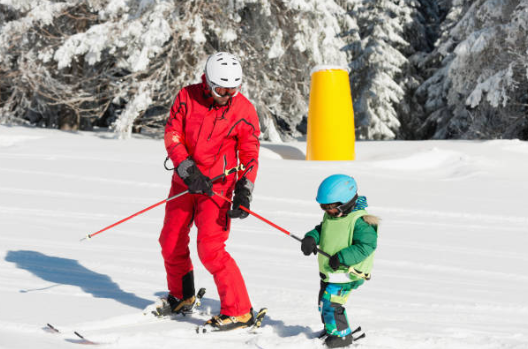
Also known as the wedge, the snowplow is the fundamental braking and turning technique. By pointing the tips of the skis together and pushing the tails apart, beginners create a wide base of support and utilize the inside edges to control their descent. The key here is maintaining a balanced stance and applying even pressure.
Advancing to Parallel Turns
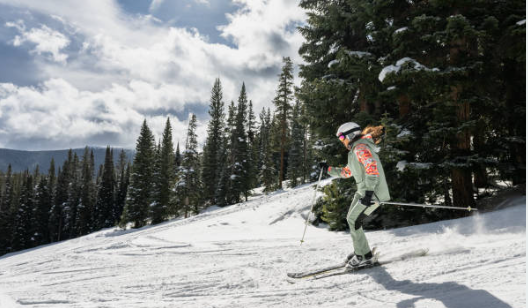
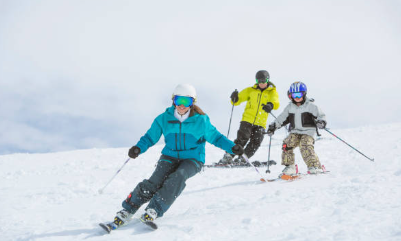
As confidence grows, skiers transition to parallel turns. This involves keeping both skis parallel to each other throughout the turn, significantly increasing speed and fluidity. The transition requires a subtle weight shift to the downhill ski while simultaneously releasing the uphill ski’s edge.
The Pinnacle: Carving
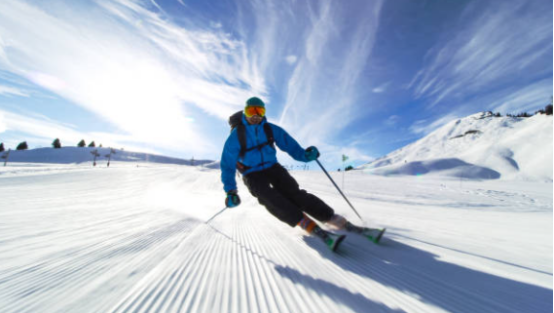
Carving is where the true passion and speed of skiing are unleashed. Instead of skidding through a turn, the skier tips the skis onto their edges, allowing the sidecut of the ski to dictate the arc. This technique minimizes speed loss and provides an exhilarating feeling of being locked into the snowcourse.
Physical and Mental Preparation: The Skier’s Mindset
Skiing is an intensely demanding physical activity that requires significant lower body strength, core stability, and cardiovascular endurance. However, the physical aspect is only half the battle. The mental preparation required to navigate a steep, icy slope at high speeds cannot be understated.
Before hitting the slopes, a targeted fitness regimen focusing on squats, lunges, and plyometrics will prepare your quadriceps and glutes for the burning sensation of long runs. Mentally, skiers must cultivate a state of flow. This involves reading the terrain ahead, anticipating bumps, and maintaining a calm, focused mindset even when the speed becomes intimidating. Fear often leads to a defensive, leaning-back posture, which ironically drastically reduces control.
Expert Advice: Pro Tips and Common Pitfalls
Even experienced skiers can fall into bad habits. To truly master the snowcourse, it is crucial to analyze your form and consciously apply expert strategies to your runs.
- Keep Your Weight Forward: The most common mistake is leaning backward. Always press your shins into the front of your boots to maintain steering control.
- Look Where You Want to Go: Target fixation is real. If you stare at a tree, you will likely hit it. Keep your eyes focused on the open path ahead.
- Plant Your Poles: Pole planting is not just for rhythm; it acts as a trigger for your turns and helps stabilize your upper body.
- Dress in Layers: Mountain weather is notoriously unpredictable. Utilize a moisture-wicking base layer, an insulating mid-layer, and a waterproof outer shell.
Frequently Asked Questions (FAQ)
- How long does it take to learn how to ski?
-
Most beginners can learn the basics, such as stopping and making simple turns on green slopes, within two to three days of professional instruction. However
Outdoor safety note: This article is general outdoor-sports and wilderness-skills commentary. It is not professional instruction, emergency guidance, legal advice, weather guidance, land-access advice, equipment certification, or a substitute for qualified local training. Check current conditions, local rules, permits, supervision needs, and your own skill level before any outdoor activity.Extreme-sports note: Skydiving, wingsuiting, parkour, climbing, bungee jumping, off-road riding, skiing, skateboarding, and rapid-descent activities involve serious risk. Use certified instructors, venue rules, inspected equipment, medical clearance when appropriate, and conservative progression; this article is not a how-to safety certification.