Hunting offers a profound connection to nature and a test of skill, patience, and knowledge. The pursuit varies dramatically depending on the quarry, from the fast-paced challenge of small game to the strategic and potentially dangerous hunt for larger animals. This guide provides a comprehensive exploration of hunting three distinct animals: the common squirrel, the unique porcupine, and the formidable wild boar. By understanding the specific behaviors, habitats, and techniques required for each, you can enhance your effectiveness, safety, and ethical approach in the field. We will delve into everything from initial scouting and gear selection to the critical moment of the shot and post-hunt processing.
Mastering the Art of Squirrel Hunting
Squirrel hunting is often considered a gateway for new hunters, yet it offers a rewarding challenge that hones fundamental skills for a lifetime. It demands stealth, keen observation, and marksmanship. Success hinges on understanding the animal’s behavior and choosing the right approach for the conditions.
Understanding Squirrel Behavior and Habitat
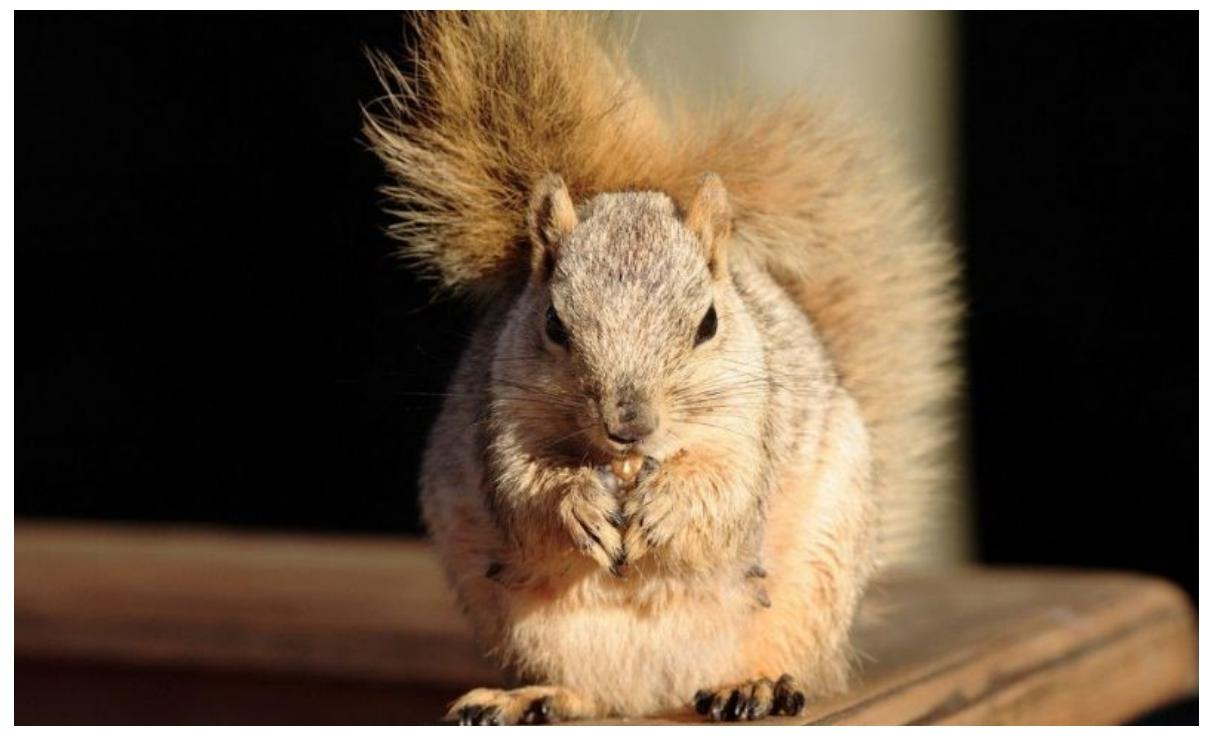
Squirrels, particularly grey and fox squirrels, are most active during the early morning and late afternoon. They are creatures of habit, and their primary focus is finding food. To locate them, you must first locate their food sources. Look for forests rich in mast-producing trees.
- Hickory and Oak Trees: These are primary food sources. Look for “cuttings”—chewed nut shells and husks—at the base of these trees. A large amount of fresh cuttings indicates a heavily used feeding area.
- Beech and Walnut Trees: These are also squirrel favorites. Learning to identify these trees is a crucial first step in scouting.
- Nests (Dreys): Look for leafy nests high in the forks of trees. While they may be empty during feeding times, their presence confirms you are in squirrel territory.
Essential Gear: Rifles vs. Shotguns
The choice between a rifle and a shotgun is a classic debate in squirrel hunting, with each having distinct advantages. A .22 caliber rifle is the preferred choice for many seasoned hunters due to its precision, which allows for headshots that preserve meat. A quality scope is essential for this kind of accuracy. Conversely, a shotgun (such as a .410, 20-gauge, or 12-gauge) is more forgiving, especially for moving targets or when squirrels are high in trees with dense foliage. Using a shotgun with a #6 shot provides a good pattern for bringing down a squirrel cleanly without excessive meat damage.
Proven Hunting Techniques
Two primary methods dominate squirrel hunting: still-hunting and stand hunting.
- Still-Hunting: This active technique involves moving very slowly and quietly through the woods, pausing frequently to look and listen. The key is to move at a snail’s pace, taking a few steps and then stopping for several minutes to scan the forest floor and canopy. Listen for the sounds of squirrels chattering, barking, or dropping nut cuttings from above.
- Stand Hunting: This involves finding a promising feeding area and sitting patiently. Position yourself with your back against a large tree to break up your silhouette and remain concealed. This method allows the woods to come alive around you and often lets squirrels reveal themselves through their normal activity. Patience is paramount.

The Unique Challenge of Hunting Porcupines
Hunting porcupines is less common than pursuing traditional game and is often done for pest control or in survival situations. These slow-moving rodents can cause significant damage to trees, cabins, and equipment due to their penchant for chewing on wood and items with salt residue. Understanding their nature is key to a safe and effective hunt.
Why Hunt Porcupines? Damage, Control, and Survival
Porcupines are herbivores with a particular taste for the inner bark of trees (cambium), which can girdle and kill them. They are also drawn to the salt and adhesives in plywood, tool handles, and vehicle wiring. In areas where they are overabundant, they can become a serious nuisance. While not a primary food source for most, they are a viable option in a survival scenario due to being slow and relatively easy to dispatch. Always check local regulations, as their legal status can vary significantly by state or province; in some areas, they are a protected species.
Identifying Porcupine Signs and Habitats
Porcupines are nocturnal and prefer forested areas with a mix of hardwoods and conifers. They often den in hollow logs, rock crevices, or abandoned structures.
- Look for Scat: Their droppings are distinctive, often resembling curved pellets or cashew shapes.
- Observe Tree Damage: Look for patches of bark stripped from trees, especially during winter months when other food is scarce.
- Find Dens: A strong, musky odor is often present near an active den site. Be cautious when investigating potential dens.
Safe Hunting and Handling Practices
The primary danger with porcupines is their defensive quills. A mature porcupine has around 30,000 quills that detach easily upon contact. A firearm, such as a .22 rifle, is the most effective and safest tool for hunting them. A precise shot to the head or vital organs ensures a quick, humane kill. When handling a dispatched porcupine, extreme caution is necessary. Wear thick leather gloves and handle the animal by its feet, keeping the quilled back away from your body. The quills are not present on their underbelly, which is the safest area to begin the skinning process.

The Thrill and Danger of Wild Boar Hunting
Wild boar, or feral hogs, are intelligent, tough, and potentially aggressive animals that present a significant challenge for any hunter. They are an invasive species in many regions, causing widespread agricultural and environmental damage, which means hunting seasons are often liberal. This hunt requires careful planning, powerful equipment, and a deep respect for the animal’s capabilities.
Scouting for Wild Boar: Reading the Signs
Wild boars are highly adaptable and can be found in a variety of habitats, from dense swamps to open grasslands. They are most active at night, dawn, and dusk. Effective scouting involves looking for clear indicators of their presence.
- Rooting and Wallows: Boars use their powerful snouts to root for food, leaving behind soil that looks like it has been plowed. They also create muddy wallows to cool off and protect themselves from insects.
- Tracks: Boar tracks are similar to deer tracks but are more rounded and splayed. The two-part hoof print is often accompanied by a dewclaw mark.
- Rubs: Look for mud and hair rubbed onto trees or fence posts near trails and wallows.
Choosing the Right Firearm and Ammunition
Wild boars are notoriously tough. They have a thick hide and a gristly “shield” of cartilage over their shoulders, which can be several inches thick on mature males. This requires a firearm with sufficient power to ensure deep penetration. Popular choices include rifles chambered in .270 Winchester, .30-06 Springfield, or .308 Winchester. For hunters who prefer close-range encounters in thick brush, a 12-gauge shotgun with slugs or a large-caliber handgun can also be effective. Ammunition choice is critical; use well-constructed bullets designed for deep penetration on tough game.
Critical Shot Placement on a Tough Animal
Shot placement is the most critical factor in successfully and ethically harvesting a wild boar. Due to their anatomy and protective shield, the standard broadside shot behind the shoulder, effective on deer, can be less reliable on a large boar.
- The Vitals: The heart and lungs of a boar sit lower and more forward in the chest cavity than in a deer. The ideal shot is placed directly in the “pocket” just behind the shoulder, slightly lower than the midline of the body.
- Neck and Head Shots: For experienced marksmen, a shot to the neck can sever the spine for an instant kill. A headshot, specifically aimed at the ear canal, is also lethal but presents a very small target.
- Patience is Key: Wait for the boar to present a clear, broadside, or slightly quartering-away shot. Never rush a shot on an animal this resilient. Always be prepared for a follow-up shot.

Universal Post-Hunt Procedures and Field Dressing
A successful hunt doesn’t end when the animal is down. Proper field dressing and meat care are essential to honor the animal and ensure the quality of the meat. The process varies significantly based on the size of the game.
Field Dressing Small Game
For animals like squirrels, the process is relatively simple. The goal is to cool the carcass quickly to prevent spoilage. This typically involves making a small incision to remove the entrails. Skinning can often be done by making a cut across the back and pulling the hide off in two pieces, like removing a jacket. For porcupines, the process is similar but requires wearing heavy-duty gloves and working carefully from the quill-free underbelly to avoid injury.
Processing a Large Animal like a Wild Boar
Field dressing a wild boar is a much more physically demanding task. It’s crucial to wear rubber gloves to protect against diseases like brucellosis. The first step is to bleed the animal if necessary, followed by gutting it to remove the internal organs. Because of their size, boars are often skinned and quartered in the field to make them easier to transport. Cooling the meat rapidly is paramount, especially in warmer climates. Packing the body cavity with ice or hanging the quarters in a cool, shaded area is essential.
Frequently Asked Questions (FAQ)
- Q1: What is the best all-around firearm for hunting these three different animals?
- There is no single “best” firearm for such a diverse range of game. A .22 LR rifle is ideal for squirrels and porcupines due to its accuracy and minimal meat damage. For wild boars, a much more powerful centerfire rifle, like a .308 Winchester, is necessary for an ethical and safe harvest. A hunter should always choose the right tool for the specific animal being pursued.
- Q2: What are the primary safety concerns when hunting wild boar?
- The primary safety concern is the boar’s potential for aggression, especially when cornered or wounded. They are fast, powerful, and have sharp tusks. Always hunt with a firearm you are proficient with, be certain of your shot, and have a plan for a follow-up shot. Maintain awareness of your surroundings and let others know your hunting plan.
- Q3: When is the best time of day to hunt squirrels and boars?
- Both animals have peak activity periods. Squirrels are most active in the early morning and late afternoon as they forage for food. Wild boars are primarily nocturnal but can be very active at first light and last light, especially in areas with less human pressure. Hunting during these windows significantly increases your chances of success.
- Q4: How do I handle a porcupine’s quills if my dog gets attacked?
- If a dog is quilled by a porcupine, it is a veterinary emergency. Do not attempt to pull the quills out yourself, as they have microscopic barbs that can cause them to break off in the skin, leading to infection and migration deeper into the tissue. Do not cut the quills, as this can make them harder for a vet to remove. Keep the dog calm and transport it to a veterinarian immediately for professional removal under sedation.