Welcome to the definitive guide for anyone starting their deer hunting journey. The path from novice to a seasoned hunter is paved with knowledge, patience, and respect for the wild. This guide moves beyond simple tips to provide a comprehensive framework, explaining not just “what” to do, but “why” it’s critical for success. We will cover everything from the crucial preparation phases long before the season starts, to the moment of truth, and the responsibilities that follow. Prepare to build a strong foundation that will serve you for a lifetime of rewarding experiences in the great outdoors.
Pre-Hunt Preparation: The Foundation of Success
A successful hunt is rarely a matter of luck; it’s the result of meticulous preparation. The work you put in before opening day directly correlates with your chances of success and safety. This phase is about more than just buying gear; it’s about becoming a student of the environment you plan to enter.
Mastering Scouting and Location Analysis
Scouting is the art of learning an area and understanding how deer use it. Don’t wait until the week before the season. Start your scouting months in advance. Look for key signs like deer trails, rubs (where bucks rub their antlers on trees), scrapes (where they paw the ground and urinate), and bedding areas. Use tools like topographic maps and satellite imagery apps (e.g., onX Hunt, HuntStand) to identify potential funnels, pinch points, food sources (like oak flats or agricultural fields), and water sources where deer are likely to travel. The “why” here is simple: you must hunt where the deer are, not where you hope they will be.
Legal and Ethical Obligations
Before anything else, ensure you are hunting legally and ethically. This is non-negotiable. Complete a state-approved hunter safety course, which teaches essential firearm safety, wildlife management principles, and hunting ethics. Purchase the correct licenses and tags for your state and specific hunting zone. Thoroughly read and understand the local hunting regulations, including season dates, bag limits, legal hunting hours, and any weapon restrictions. Ethical hunting means respecting the animal, the land, and other hunters.
Marksmanship and Firearm Proficiency
Owning a rifle or bow is not enough; you must be proficient with it. Your goal is a clean, ethical, one-shot harvest. Spend significant time at the shooting range, practicing from various positions you might use in the field—sitting, kneeling, and standing with a rest. Know your effective range and never take a shot beyond it. Sight in your rifle with the exact ammunition you plan to hunt with, ensuring it is accurate and reliable. This practice builds the muscle memory and confidence needed to remain calm and make an effective shot when the moment arrives.

Understanding Your Quarry: Deer Behavior 101
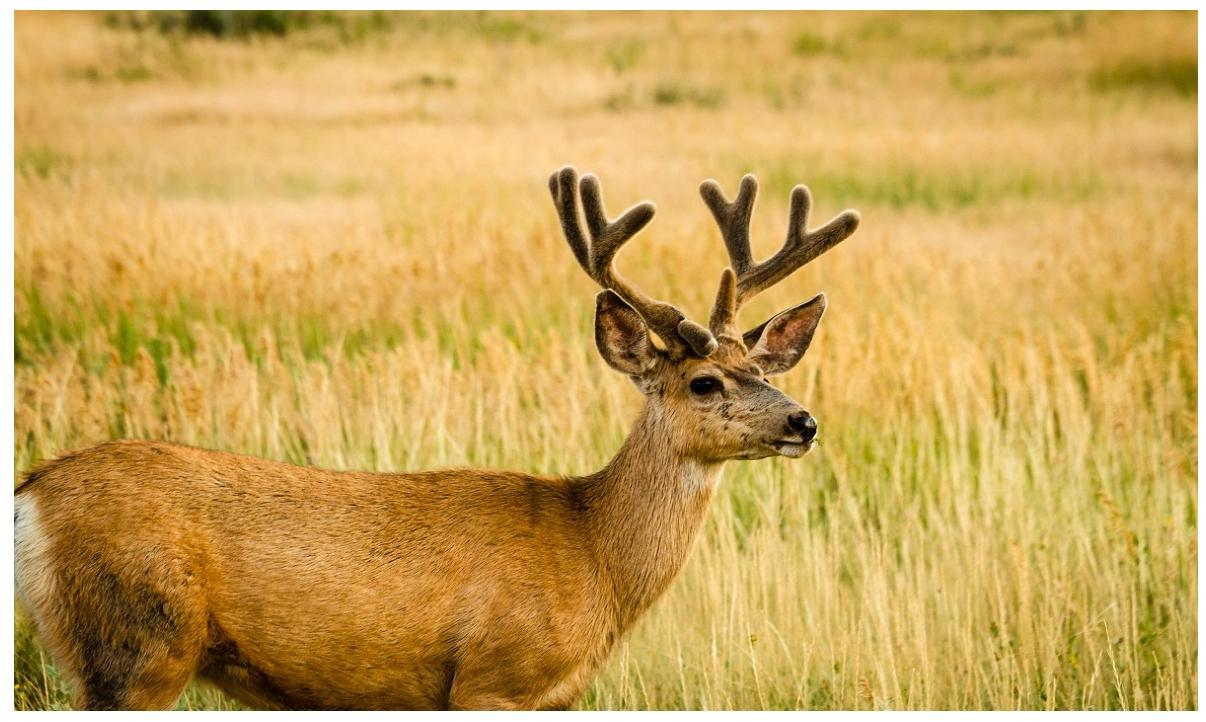
To successfully hunt deer, you must learn to think like a deer. Understanding their senses, habits, and seasonal patterns is the key that unlocks the puzzle of their movement. Deer are incredibly adaptable creatures, but their actions are driven by three primary needs: food, water, and security.
The Power of Scent Control
A deer’s primary defense is its sense of smell, which is hundreds of times more powerful than a human’s. If a deer smells you, the game is over before it begins. Scent control is a multi-faceted strategy. It starts with showering in scent-free soap before a hunt, washing your hunting clothes in scent-free detergent, and storing them in an airtight container. In the field, use scent-killing sprays on your gear and boots. Most importantly, always be aware of the wind direction. Your scent will travel downwind, so you must position yourself downwind or crosswind of where you expect deer to approach from.
Reading the Rut
The “rut,” or deer breeding season, dramatically changes deer behavior, particularly for bucks. Bucks that were nocturnal and cautious become more active during daylight hours as they search for does. Understanding the phases of the rut (pre-rut, peak-rut, post-rut) in your area allows you to predict their behavior. During this time, tactics like using deer calls (grunts, bleats) and rattling antlers to simulate a fight can be extremely effective at drawing in curious or aggressive bucks.

The Hunt: Patience, Precision, and Shot Placement
With all your preparation complete, the hunt itself becomes a test of patience and discipline. Success is measured not just by a harvest, but by the execution of a well-planned strategy and the demonstration of respect for the animal.
Choosing and Setting Up Your Stand
Whether you’re using a treestand, a ground blind, or still-hunting, your setup is critical. Your location should be based on your scouting, placing you near active deer sign with a favorable wind. Arrive early, well before sunrise, and move into your position with minimal noise. Clear any noisy leaves or twigs from the floor of your blind or around the base of your tree. Once you are set up, minimize all movement. Deer have excellent eyesight and can easily pick up on unnatural motion.
The Anatomy of an Ethical Shot
The most important moment in any hunt is when you decide to take the shot. Your primary goal is a quick, humane harvest. This requires aiming for the vital organs: the heart and lungs. This area, located just behind the front shoulder, offers the largest margin for error. The ideal shot presentation is broadside, where the deer is standing perpendicular to you. A slightly quartering-away shot is also highly ethical. Avoid taking shots at deer that are facing you directly (frontal shot) or facing directly away, as the odds of a clean kill are significantly lower. Know your target and what is beyond it.
Essential Gear Checklist for Novice Hunters
While you don’t need the most expensive gear to be successful, having the right equipment is crucial for safety, comfort, and effectiveness. This table breaks down the essentials from the nice-to-haves.
| Item Category | Essential Gear | Purpose & Rationale |
|---|---|---|
| Weapon & Ammunition | Properly sighted rifle/bow, appropriate ammunition/arrows | The core tool for the harvest. Must be reliable and practiced with. |
| Optics | Binoculars (8×42 or 10×42) | Crucial for spotting and identifying deer at a distance without being detected. Protects against misidentification. |
| Clothing | Layered clothing system, blaze orange vest/hat (as required), quality boots | Allows you to adapt to changing weather. Blaze orange is a legal safety requirement in most areas. Good boots prevent misery. |
| Safety Gear | Hunter safety harness (for treestands), first-aid kit, compass/GPS | Non-negotiable for safety. Falls from treestands are a leading cause of injury. A first-aid kit and navigation tools are essential. |
| Field Pack | Backpack, water, snacks, knife, headlamp/flashlight, drag rope | Carries all your essentials. Staying hydrated and energized is key. A good knife and light source are vital for after the shot. |
Frequently Asked Questions (FAQ)
-
What is the biggest mistake novice hunters make?
- The most common mistake is impatience. This manifests in several ways: not scouting enough, moving too much while on stand, taking a poor-quality shot out of excitement, or not waiting long enough before tracking a deer after the shot. Patience is a hunter’s greatest virtue.
-
How do I know where to aim on a deer?
- Focus on the vital zone, an area about the size of a paper plate located directly behind the front shoulder. Visualize tracing the front leg up to the middle of the body—that is your target. This ensures a shot will pass through the heart and/or lungs, resulting in a quick and ethical harvest. Avoid head and neck shots, which have a very small margin for error.
-
How important is scent control really?
- It is critically important. A deer’s sense of smell is its primary defense mechanism and is far superior to its eyesight. If a mature deer smells you, it will likely disappear without you ever knowing it was there. While you can never be 100% scent-free, a comprehensive approach (clean clothes, scent-killing sprays, and always playing the wind) drastically increases your chances.
-
Do I need expensive camouflage clothing?
- While modern camouflage patterns are effective, they are less important than minimizing movement and breaking up your human outline. Many successful hunters have harvested deer wearing simple earth-toned clothing like flannel or wool. What’s more important is that your clothing is quiet and keeps you warm and dry. However, you must always wear the legally required amount of blaze orange for safety.
-
How long should I wait before tracking a deer I’ve shot?
- This depends on the shot. If you are confident it was a perfect heart/lung shot and you saw the deer go down, a 30-minute wait is a good rule of thumb. If you are less certain, or if it was a gut shot (indicated by a “thwack” sound and different colored blood), it is best to back out quietly and wait at least 4-6 hours, or even overnight if temperatures allow. Pushing a wounded deer too soon will cause it to run for miles, making recovery extremely difficult.