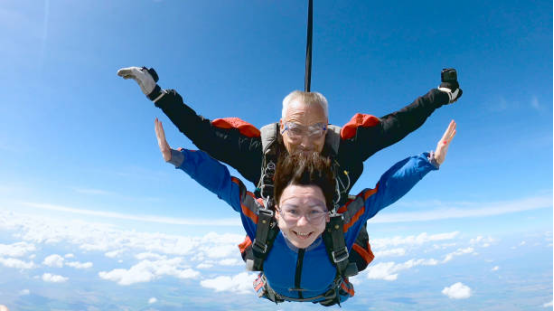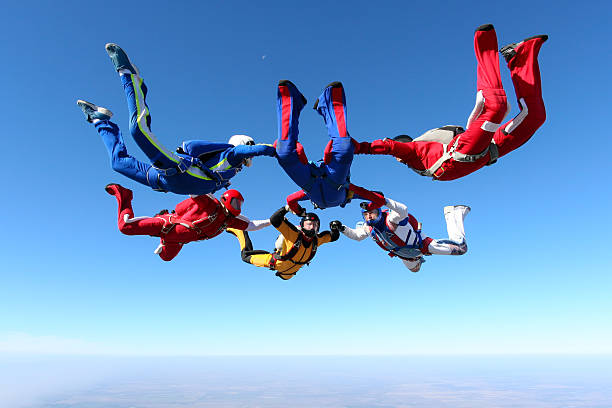
Many first-time skydivers focus solely on the courage to jump, overlooking the importance of what to wear. In reality, your choice of skydiving attire not only impacts comfort but also directly impacts safety and control. Factors such as high-altitude temperature fluctuations, wind speed, friction, and line entanglement all place stringent demands on your attire. The following expert guide will help you choose the right skydiving attire for each season and altitude, ensuring every flight is stable, warm, comfortable, and safe.
1. Basic principles: three key standards for skydiving clothing
Regardless of the season or altitude, skydiving clothing should meet the following three requirements:
1. Fit but not tight.
The clothing should fit the body to reduce air resistance and fabric fluttering, but at the same time leave enough space to ensure flexible limb movements. Too wide will easily be blown away by the wind, and too tight will affect control.
2. No exposed straps, pockets or decorations.
Any exposed parts may be entangled in the parachute rope during skydiving, causing danger. The lines of the skydiving suit should be clean and smooth.
3. The material should be windproof, quick-drying and have a certain degree of friction resistance.
Common choices include nylon, polyester or stretch composite fabrics, which can reduce vibration in high-speed airflow and prevent friction burns during free fall.
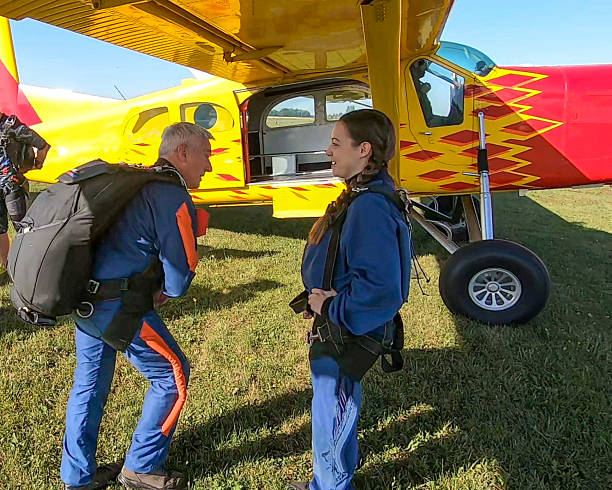
2. Select by altitude: The temperature difference between 3000m and 5000m is very real
As altitude increases, the temperature drops by an average of about 6°C per 1,000 meters. This means the temperature difference from ground level to 4,000 meters can exceed 20°C.
1. Low-altitude experience jump (approximately 3,000 meters):
This is typically the typical altitude for tandem skydiving, with temperatures around 10°C lower than ground level. Wearing a long-sleeved sportswear or quick-drying base layer, along with a light windbreaker or jumpsuit, is recommended.
2. Medium-altitude jump (approximately 4,000 meters):
This is the most common free-fall altitude, with a free-fall duration of approximately 45 seconds and temperatures potentially dropping to 0°C. A jumpsuit, windproof gloves, and a thin layer of insulation are recommended. In winter, a balaclava should also be worn to protect the face from direct airflow.
3. High-altitude stunt jump (approximately 5,000 meters and above):
Temperatures can approach -10°C, requiring a specialized warm jumpsuit with an inner layer of insulation. Some skydiving equipment is provided for oxygen supply. In this case, the clothing should be compatible with the position of the oxygen supply tube to ensure that it will not be pulled.
3. Choose by season: Key points for dressing in hot and cold environments
1. Summer skydiving (temperatures above 25°C):
Sun protection and breathability are key. A lightweight, quick-drying jumpsuit is recommended, along with non-slip sneakers. Even in hot weather, avoid short sleeves or shorts—high-speed winds can easily scratch exposed skin.
2. Winter skydiving (temperatures below 10°C):
A balance between warmth and mobility is crucial. Recommendations include a quick-drying base layer, a thermal layer (such as a thin down or fleece jacket), and a windproof outer layer. Gloves must fit snugly, providing warmth without interfering with line handling.
3. Spring and autumn skydiving (temperature fluctuations and unstable winds):
Layering is ideal. Layers can be added or removed as the temperature changes, such as a jumpsuit with detachable sleeves or a lightweight softshell jacket.
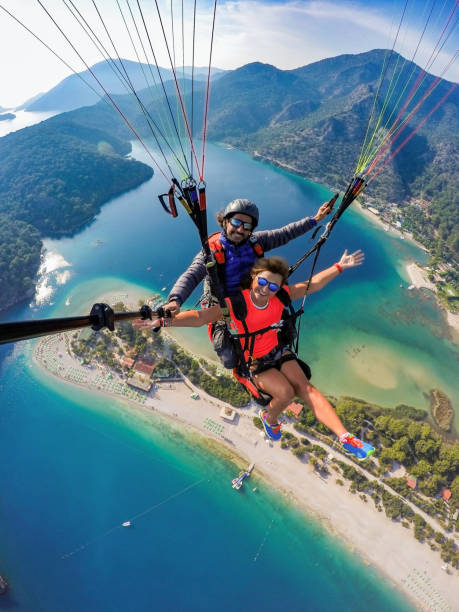
4. Shoes and gloves: safety depends on details
Shoes:
Lightweight, non-slip athletic shoes with hookless laces are essential for skydiving. Low-top running shoes or skateboard shoes are recommended. Hiking shoes and boots are not recommended as they can easily snag the parachute cord upon landing.
Gloves:
Winds at altitude can reach 200 kilometers per hour, and exposed hands can easily become numb and jerk, impairing parachute control. Professional skydiving gloves are often made of windproof leather or wear-resistant synthetic materials, with a non-slip layer on the palm for both ease of use and warmth.
5. Helmets and accessories: safety and comfort
Helmet:
A full-face skydiving helmet is recommended for beginners, as it provides wind and noise protection, and protects the jawline. Experienced parachutists can opt for a half-face model for enhanced visibility.
Goggles:
Clear or light-tinted, anti-fog lenses are preferred. If carrying an action camera, ensure it is securely fastened so it does not obstruct your view during parachute opening.
Earplugs and neck protection:
The wind is extremely noisy at high altitudes, and prolonged skydiving can cause hearing fatigue. Simple foam earplugs can effectively reduce noise. An elastic hood is recommended for both cold and friction protection.
6. Common Mistakes and Practical Suggestions
Common mistakes made by beginners include wearing jeans (which restricts stretching), scarves (which can easily get tangled in paracord), and baggy jackets (which can easily get blown and pulled). The correct approach is to follow the principles of “lightweight, fitted, and minimal excess structure.” Before setting off, check that all zippers, cuffs, and shoelaces are secure.
While choosing your skydiving attire may seem like a minor detail, it’s actually a crucial part of your safety system. Professionally equipped and appropriately dressed, you can focus on the freedom of “falling through the air” at high altitude, rather than being distracted by the cold wind or the friction. Once you master these attire patterns, every skydive will go from a “barely accomplished” experience to a “precisely controlled” experience.