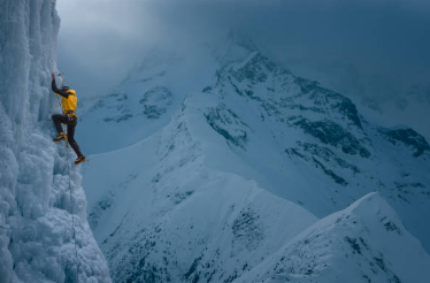
Climbing is a profound human endeavor, a sport that challenges not only the limits of physical strength and endurance but also the depths of mental fortitude and focus. It’s a vertical dance that unfolds on nature’s most imposing canvases, from rugged rock cliffs to majestic frozen waterfalls. This guide serves as your foundational entry point into two of its most exhilarating disciplines: rock climbing and ice climbing. While they share a common goal of upward movement, they exist in different worlds, demanding unique skills, specialized equipment, and a deep respect for their respective environments. Here, we will explore the core principles, techniques, and gear that define these heroic sports, providing a roadmap for anyone ready to challenge gravity and discover the world from a new perspective.
The World of Vertical Challenges: An Introduction to Climbing
At its heart, all climbing is about problem-solving. Each route, whether on rock or ice, is a puzzle that requires a combination of strength, balance, technique, and strategy to unlock. It is a full-body workout that engages muscles you never knew you had, from your fingertips to your toes. But beyond the physical, climbing is a mental game. It teaches resilience in the face of failure, patience when a sequence seems impossible, and intense focus when the world shrinks to just the next hold or placement. It fosters an unbreakable bond of trust between a climber and their belayer, the person managing the rope and their safety. This guide will break down the two distinct yet related worlds of ascending stone and ice, preparing you for the adventures that lie ahead.
Rock vs. Ice: Understanding the Core Differences
While both sports involve ascending vertical terrain, the medium dictates the methodology. Rock climbing is a tactile sport focused on using natural features—cracks, ledges, and holds—to make progress. It’s about friction, grip strength, and precise body positioning. Ice climbing, conversely, is a sport of placement. The climber actively creates their holds by swinging sharp ice axes and kicking pointed crampons into the frozen surface. The ice itself is a dynamic, ever-changing medium, influenced by temperature and weather, adding a layer of complexity and assessment not typically found on a static rock face.
The Universal Language of Safety
Regardless of the discipline, safety is the paramount principle that underpins all climbing activities. Understanding your gear, knowing how to use it, and constantly assessing risks are non-negotiable skills. The systems of belaying, rope management, and communication are fundamental to protecting yourself and your partners. This commitment to safety allows climbers to push their limits in some of the world’s most extreme environments with confidence.
Rock Climbing: Ascending Stone and Crag
Rock climbing is a diverse sport with a rich history, evolving from a niche mountaineering skill into a mainstream global activity. It challenges individuals to ascend rock formations or artificial walls using their hands, feet, and specialized equipment. The goal is to reach a designated endpoint or summit, navigating a path of varying difficulty. It’s a test of physical power, technical skill, and mental clarity.
The Core Disciplines of Rock Climbing
Rock climbing is not a monolithic activity; it is comprised of several distinct styles, each with its own unique challenges and equipment requirements. Understanding these disciplines is the first step in finding your place in the climbing world.
- Bouldering: This is climbing in its purest form. Climbers ascend short, challenging routes (called “problems”) on boulders or low artificial walls, typically no more than 15-20 feet high. No ropes are used; safety is ensured by thick crash pads placed on the ground. Bouldering is an excellent way to build power, technique, and problem-solving skills.
- Sport Climbing: In sport climbing, the climber ascends a taller rock face while clipping their rope into pre-placed, permanent anchors (bolts) for protection. This discipline allows climbers to focus purely on the physical challenge of the route without the added complexity of placing their own gear. It is the most common form of roped climbing for beginners.
- Traditional (Trad) Climbing: Trad climbing requires the lead climber to place their own removable protection (like cams and nuts) into cracks and fissures in the rock as they ascend. The second climber (the “follower”) then removes this gear. This style demands a deep knowledge of equipment and rock features, adding a significant mental and logistical challenge.
Essential Gear for Rock Climbers
Your connection to the rock and your safety system are paramount. While the specific gear varies by discipline, a standard kit for a beginner sport climber includes the following critical components.
- Climbing Shoes: These are tight-fitting shoes with sticky rubber soles designed to maximize friction and allow for precise footwork on tiny holds.
- Harness: A climbing harness is worn around the waist and legs, providing a secure point to tie the rope into and to attach other gear like a belay device.
- Chalk and Chalk Bag: Magnesium carbonate (chalk) is used to absorb sweat from the hands, improving grip on holds. It’s kept in a small bag attached to the harness.
- Belay Device and Locking Carabiner: A belay device is a mechanical piece of equipment used to control the rope, enabling a belayer to catch a falling climber or lower them safely. It is always used with a secure locking carabiner.
- Rope: A dynamic climbing rope is specially designed to stretch slightly to absorb the impact of a fall, providing a “soft” catch.
- Helmet: Essential for outdoor climbing, a helmet protects the head from falling rock or debris and from impact during a fall.
Ice Climbing: Conquering Frozen Waterfalls
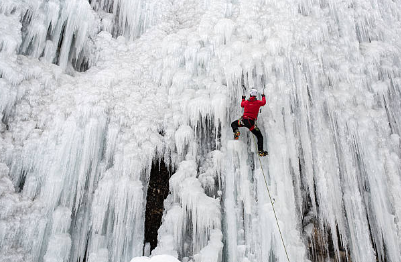
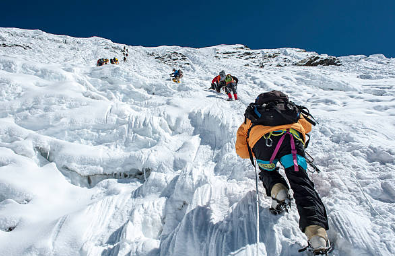
Ice climbing is the art of ascending frozen formations, such as icefalls, frozen waterfalls, and cliffs covered with ice. It is a sport that combines the grace and athleticism of rock climbing with the harsh, beautiful, and unpredictable nature of a winter environment. It demands a unique set of tools and techniques to gain purchase on a surface that can be as brittle as glass or as soft as slush.
The Specialized Toolkit for Ice Ascents
Unlike rock climbing where you use the features of the medium, in ice climbing you must bring your own holds. The equipment is highly specialized and engineered for performance and safety in cold, unforgiving conditions.
- Ice Axes (Ice Tools): These are the climber’s primary connection to the ice for their upper body. Modern ice tools are curved for an ergonomic swing and feature sharp, aggressive picks designed to penetrate ice with minimal effort and maximum security. Climbers use one in each hand.
- Crampons: These are metal frames with sharp points that attach to the bottom of mountaineering boots, allowing the climber to kick into the ice and stand securely. Front-points are crucial for ascending vertical ice.
- Mountaineering Boots: Stiff, insulated, and waterproof boots are required. They must be rigid enough to support the climber’s weight on their front-points and compatible with the crampon binding system.
- Ice Screws: For protection, ice climbers place hollow, threaded tubes of metal known as ice screws. These are screwed into the ice, and the rope is clipped to them, functioning similarly to bolts in sport climbing.
- Harness and Helmet: A harness is used just as in rock climbing, though some are designed with extra gear loops for ice screws. A helmet is absolutely mandatory to protect against falling ice.
- Ropes: Specialized “dry” ropes, treated with a water-repellent coating, are used to prevent them from absorbing water and freezing, which would make them heavy and difficult to handle.
Mastering Basic Ice Climbing Movements
The fundamental technique in ice climbing revolves around efficiency and precision. Wasted energy can lead to exhaustion quickly in the cold. The core movements involve a sequence of tool placements and footwork.
The primary stance involves keeping your heels low to engage all the points of the crampons, creating a stable platform. The basic sequence of movement is often simplified as a rhythm: swing, swing, kick, kick. You swing one tool to get a secure placement, then the other. Following this, you kick one foot in to establish a foothold, then the other, before standing up to repeat the process. The quality of each placement is critical, as a poorly placed tool or crampon can shear through the ice and cause a fall.

Essential Safety Protocols for All Climbers
Whether you are on rock or ice, a disciplined approach to safety is the foundation upon which all climbing is built. The thrill of ascent is only possible through a rigorous and redundant system of checks, communication, and knowledge. Neglecting safety can have catastrophic consequences, making it the most important skill any climber can learn.
The Buddy System: Belaying and Communication
Climbing is fundamentally a team sport. Your life is often in the hands of your belayer, and theirs in yours. Proper belaying technique is crucial for catching a fall safely and providing a controlled descent. This is more than just managing the rope; it involves constant attention and anticipation of the climber’s movements. Clear, standardized communication is vital. Commands like “On belay?,” “Belay on,” “Climbing,” “Climb on,” “Take,” and “Lower” are used to ensure both partners are in sync and understand what is happening at all times.
Understanding and Mitigating Risks
Risk assessment begins before you even leave the ground. For outdoor climbing, this includes checking weather forecasts and understanding objective hazards like rockfall or, in the case of ice climbing, avalanche danger and ice conditions. Before every single climb, partners must perform a mutual safety check. This involves inspecting each other’s setup:
- Harness: Is it buckled correctly and not twisted?
- Knots: Is the climber’s tie-in knot (typically a figure-eight follow-through) tied correctly with a sufficient tail?
- Belay Device: Is the rope loaded correctly through the device, and is the carabiner locked?
- Helmets: Are they on and secured?
This simple, repetitive check is one of the most effective ways to prevent accidents caused by human error.
The Importance of Proper Training and Guidance
While this guide provides foundational knowledge, it is not a substitute for hands-on instruction from a qualified professional. Learning from an experienced and certified guide or instructor is the safest and most effective way to build a solid base of skills. They can provide real-time feedback on your technique, teach you the nuances of gear placement, and help you develop the judgment necessary to make safe decisions in a vertical environment.

The Physical and Mental Rewards of Climbing
The allure of climbing extends far beyond the adrenaline rush. It is a holistic activity that cultivates profound and lasting benefits for both body and mind. The unique challenges presented by a vertical wall force a synthesis of physical power and intense mental engagement, leading to comprehensive personal growth.
Building Full-Body Strength and Endurance
Climbing is a remarkable full-body workout. While it is famous for developing formidable grip and upper body strength, proficient climbing technique relies heavily on a strong core and precise legwork. Pushing with your legs, the largest muscle group in your body, is far more efficient than constantly pulling with your arms. The sustained effort required for longer routes builds incredible muscular endurance. This combination of strength, power, and endurance creates a lean, athletic, and highly functional physique.
Sharpening Focus, Problem-Solving, and Resilience
The mental benefits of climbing are arguably even more significant than the physical ones. When you are on the wall, external distractions fade away. Your focus narrows to the immediate task: the next move, the feel of the hold, the position of your body. This state of intense concentration is a form of active meditation. Every route is a physical puzzle that requires creativity and strategic thinking to solve. Furthermore, climbing teaches you how to manage fear and stay calm under pressure. Falling is a part of the process, and learning to fall safely and get back on the wall builds immense mental resilience that translates directly to overcoming challenges in everyday life.
Getting Started: Your Path to Becoming a Climber
The journey into climbing can seem intimidating, but the path for beginners is more accessible than ever before. Taking a structured, safety-conscious approach will ensure you build a strong foundation for a lifetime of vertical adventures. The key is to start in a controlled environment and learn from experienced professionals before venturing out onto real rock or ice.
Finding a Local Climbing Gym
For the vast majority of new climbers, the journey begins at an indoor climbing gym. These facilities provide a safe, controlled environment to learn the basics. Gyms offer bouldering, top-roping (where the rope is already anchored at the top), and lead climbing walls. They are the perfect place to build fundamental skills, improve your physical fitness, and meet other climbers. Most gyms offer introductory courses that cover essential safety procedures, knot tying, and basic belay techniques.
Seeking Certified Instruction
The single most important investment you can make as a new climber is in professional instruction. For rock climbing, look for courses taught by AMGA (American Mountain Guides Association) certified instructors. For ice climbing, it is even more critical to hire a professional guide. A guide will not only teach you the correct techniques for swinging tools and kicking crampons but will also impart invaluable knowledge about reading ice conditions, assessing hazards, and making safe decisions in a winter environment. Do not attempt to learn these skills from online videos or inexperienced friends.
Joining the Climbing Community
Climbing is a deeply social sport. The community is generally welcoming, supportive, and eager to share knowledge. Climbing gyms, local climbing organizations, and online forums are great places to connect with potential partners and mentors. By immersing yourself in the community, you’ll not only find people to climb with but also accelerate your learning and deepen your passion for the sport.
Frequently Asked Questions (FAQ)
- What is the main difference in physical demands between rock and ice climbing?
- Rock climbing, especially bouldering, often demands more powerful, dynamic movements and exceptional finger and grip strength. Ice climbing, while also requiring a strong upper body for swinging tools, places a greater emphasis on endurance, core stability, and the calf strength needed to stand on crampon front-points for extended periods. It is generally a more sustained, rhythmic effort compared to the often-explosive movements in rock climbing.
- Which is safer for a beginner, rock or ice climbing?
- Both sports are safe when practiced with proper training, equipment, and respect for safety protocols. However, rock climbing in a controlled environment like a gym is undoubtedly the safest entry point. Outdoor climbing introduces objective hazards. Ice climbing has additional risks related to the cold, avalanches, and the unpredictable nature of ice, making professional guidance absolutely essential from the very beginning.
- Can I use my rock climbing gear for ice climbing?
- Some gear, like your harness, helmet, and belay device, can be used for both. However, the most critical pieces are not interchangeable. You cannot use rock climbing shoes on ice, and you absolutely need specialized ice tools, mountaineering boots, and crampons for ice climbing. Similarly, ice axes have no place in standard rock climbing.
- How much does it cost to get started in climbing?
- The initial cost can vary. Starting at a climbing gym is most cost-effective, as you can rent all the necessary gear (shoes, harness, belay device) for a small fee per visit. A monthly gym membership typically ranges from $50 to $100. Investing in your own basic rock climbing setup (shoes, harness, chalk bag, belay device) can cost between $200 and $400. A full ice climbing setup is significantly more expensive, often costing over $1,000 for boots, crampons, and tools alone.
- Do I need to be extremely strong to start climbing?
- No, this is a common misconception. While strength is helpful, good technique is far more important, especially for beginners. Efficient climbing is about using your feet, maintaining balance, and positioning your body to make moves easier. Strength and fitness will develop naturally as you climb more. Consistency is more important than initial strength.